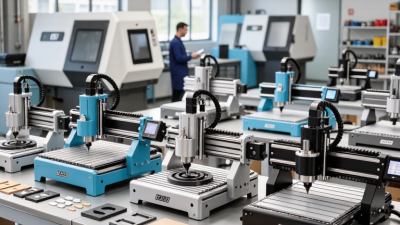
A mini CNC machine can bring precise cutting and engraving into a garage, classroom, or small workshop. In 2026, the strongest options are not simply the smallest or cheapest models. Buyers should compare usable work area, frame rigidity, spindle power, controller compatibility, and the quality of setup instructions. These details shape whether a machine can handle a neat nameplate, a batch of plywood parts, or a modest aluminum project. Small footprint. Real trade-offs.
This guide compares leading mini CNC machines by intended use, practical capability, and ownership considerations. A compact router may suit wood and plastics, while metal work generally demands greater rigidity, careful feeds, and suitable tooling. Advertised material lists deserve scrutiny; successful results depend on the complete setup, not the machine alone. Check the manufacturer’s specifications, included accessories, warranty terms, and replacement-part availability before choosing. A generous work area can be useful, but it does not guarantee accuracy. Nor does a high spindle-speed figure tell the whole story.
The picks ahead are organized to help beginners and experienced makers match a machine to their projects and budget. Consider noise, dust collection, workholding, software learning, and the space needed around the frame. Those daily details can matter more than a flashy feature. Model availability and specifications may also change during the year, so verify current information before purchasing. No single machine fits every workshop. The best choice is the one whose limits you understand—and can work with.
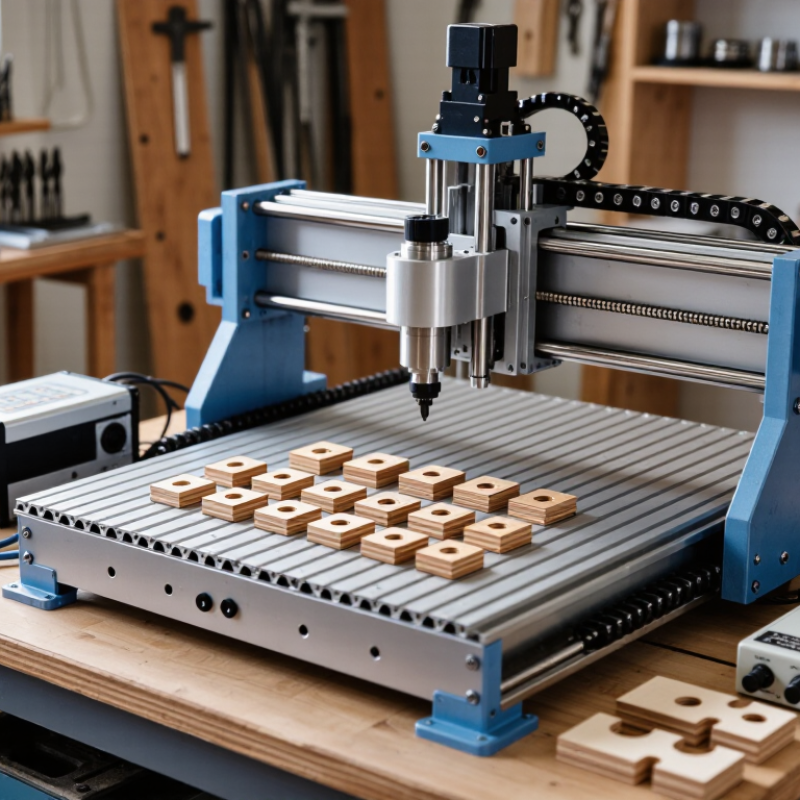
A mini CNC machine turns digital toolpaths into controlled movement through a compact set of mechanical and electrical parts. Its frame supports the work and helps resist cutting forces; thin plates can flex, leaving chatter marks on a small aluminum part. The spindle holds and rotates the cutter, while linear rails guide the X, Y, and Z axes. Leadscrews or ball screws move those axes, driven by stepper or servo motors. Small, but not simple.
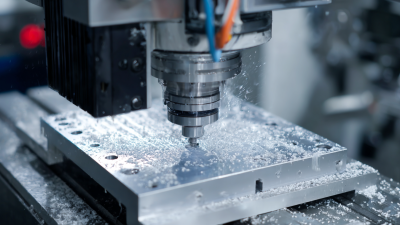
A controller converts code into motor commands, and limit switches help prevent travel beyond the machine’s range. A vise, clamps, or a spoilboard secures the workpiece; loose stock can shift even during a light cut. Dust collection matters when routing wood, while metal cutting may need chip control and suitable lubrication.
ISO 230-1 describes methods for testing machine-tool geometric accuracy, a useful reference when checking alignment and repeatability. Grand View Research’s 2024 CNC Machine Market report estimated the broader market at USD 101.22 billion in 2023. That figure covers CNC machines generally, not mini units, so it should not be read as a mini-machine sales estimate.
A rigid frame still cannot fix poor setup.
What Are the Top Mini CNC Machines in 2026?
Key Criteria for Evaluating Mini CNC Machines in 2026
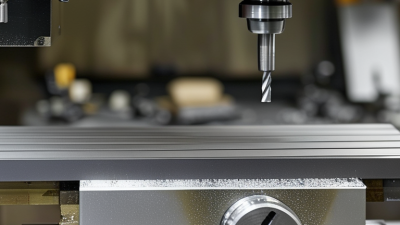
When comparing mini CNC machines in 2026, start with the work you plan to make. A 300 mm bed may suit small signs, but it cannot comfortably hold a long fixture. Check usable X, Y, and Z travel, not just advertised frame size. Frame stiffness matters too. During a cut, a flexible gantry can leave visible ripples on a hardwood edge. Spindle power helps, but sharp tooling, controlled feed rates, and low runout often matter more for clean results.
Evaluate repeatability and setup effort. A machine should return to the same position after tool changes and routine jobs. Look for clear calibration steps, accessible belt or screw tensioning, and documented maintenance. Consider your materials; a compact router may handle wood and plastics well, while aluminum calls for conservative cuts and a rigid setup. Software compatibility, dust collection, enclosure options, and replacement parts also affect daily use. Specifications are useful, but independent test cuts and service documentation offer stronger evidence. I would not trust a glossy accuracy figure alone.
Tips: Test a small square and circle in your intended material. Measure both with calipers. Leave room for clamps and dust extraction; I still underestimate setup space sometimes.
| Evaluation criterion | Weight | What to evaluate | Useful evidence or test |
|---|---|---|---|
| Usable work envelope | 15% | Check the actual X, Y, and Z travel, clearance under the spindle, and space occupied by clamps or fixtures. Match these dimensions to the largest parts you expect to make. | Confirm travel in the machine specifications and verify that the workpiece, cutter, and workholding fit without obstructing movement. |
| Frame rigidity and construction | 15% | Assess frame stiffness, joint quality, moving-mass support, and resistance to vibration. Greater rigidity generally helps maintain cut quality, especially when cutting harder materials. | Inspect the frame and gantry; look for movement or chatter during a controlled cut. Do not treat weight alone as proof of rigidity. |
| Motion system | 15% | Review the drive type, guides, bearing support, motor control, and backlash management. These components affect motion smoothness and the machine's ability to follow toolpaths consistently. | Check for smooth travel across each axis and inspect manufacturer documentation for the drive and guide specifications. |
| Positioning accuracy and repeatability | 15% | Distinguish stated accuracy from repeatability, and check whether figures are defined, tested, and measured under stated conditions. Real results can vary with setup, tool, material, and machine condition. | Look for documented test methods. If practical, run the same dimensioned test cut more than once and measure the results with suitable measuring tools. |
| Spindle and tooling | 12% | Check spindle speed range, power rating and how it is specified, collet or tool interface, runout information, and tool availability. Choose a setup appropriate for the cutter sizes and materials you plan to use. | Verify compatible tool shanks and collets, and check whether spindle specifications include operating conditions rather than relying on a headline power figure alone. |
| Material capability | 10% | Evaluate capability for your intended materials and operations. Cutting wood, plastics, and non-ferrous metals places different demands on rigidity, spindle, tooling, workholding, and cutting strategy. | Seek examples or test cuts using the same material and a comparable toolpath. Treat claims about material capability as dependent on tooling and cutting conditions. |
| Controller and software workflow | 10% | Check supported toolpath formats, control method, setup steps, coordinate handling, and whether the software fits your operating system and experience level. | Confirm file compatibility and test the full workflow, from creating or importing a toolpath to safely running a job. |
| Safety and chip or dust management | 8% | Consider guarding, emergency-stop access, electrical safety information, chip or dust collection options, and the protective equipment required for the intended work. | Review the operating and safety documentation. Plan appropriate extraction and protective measures for the material and process being used. |
| Total weighting | 100% | Use the same criteria and test conditions when comparing shortlisted machines. | |
For compact workshops, the strongest mini CNC choices in 2026 fall into several distinct machine types.
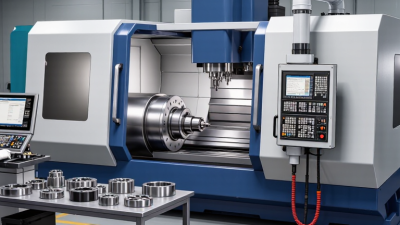
A three-axis desktop mill suits small metal parts, instrument brackets, and carefully sized fixtures. Look for a rigid frame, adjustable spindle speed, and low backlash; these matter more than a dramatic top-speed figure. A sample cut in aluminum can reveal chatter that a product specification will not.
A gantry-style desktop router is better suited to wood, plastics, and broad, flat panels. Its larger work area is useful, but a light frame may flex under aggressive cutting.
Small, but capable.
A compact enclosed engraver handles fine lettering and shallow detail on compatible materials, while its smaller work envelope limits larger projects. Check the stated material range and provide effective dust or fume extraction as appropriate.
For curved parts, a four-axis mini machine adds rotary movement around a workpiece. It can cut features on multiple sides, though setup and toolpath planning take more practice.
Not always. That distinction can be easy to overlook.
Compare usable travel, tool changes, software compatibility, and local support before choosing a model. I would not treat a longer feature list as proof of better results; a stable machine, sharp tooling, and careful calibration often make the more noticeable difference.
What Are the Top Mini CNC Machines in 2026?
Compare performance under the materials and workload you actually expect. A machine that cuts hardwood cleanly may chatter in aluminum. Check spindle speed, rigidity, repeatability, and the supported tool sizes. Ask for test cuts, not just impressive specifications. Tiny is not always capable.
Work area affects more than the size of a part. A small bed can limit clamping, tool access, and batch production. Measure your largest workpiece, then leave room for fixtures and safe tool movement. Grand View Research’s CNC machine market report estimated a global market value of USD 101.22 billion in 2023, forecasting 9.5% annual growth from 2024 to 2030. That figure covers CNC machines broadly, not mini models, so it cannot identify a best small machine. Use it as market context, not a buying score. Compare total cost, including cutters, workholding, dust control, software, and maintenance. For plastics and wood, test for clean edges and chip removal; for aluminum, check rigidity and cutting depth. Keep margin. I would still question any low-cost listing that offers no clear work-area dimensions or material-specific test results.
Choosing a mini CNC machine starts with the parts you actually plan to make. Measure your largest workpiece, then leave room for clamps and tool movement. A machine with a modest cutting area may suit small signs or circuit boards. It may feel cramped when machining a thicker wooden block. Check the usable travel, not just the advertised footprint. That distinction matters.
Match the spindle and frame to your materials. Light engraving in plastic needs less rigidity than repeated cuts in hardwood or aluminum. Look for clear information about spindle speed, supported tools, axis travel, and recommended materials. A rigid frame helps reduce chatter, the rough vibration that can leave wavy edges. Noise counts. So does dust control, especially in a small home workshop.
Consider setup and support before comparing prices. A beginner may benefit from clear assembly instructions, accessible replacement parts, and software that works with their computer. Check whether the machine includes clamps, bits, and a dust shoe; these extras can change the real cost. One easy mistake is choosing the largest advertised work area. A smaller, sturdier machine may deliver cleaner results, though it can limit future projects. Read the specifications carefully, and treat cutting-depth claims as a starting point rather than a guarantee. Actual results depend on material, tool, and feed settings.