How to Choose a Machining Center in 2026?
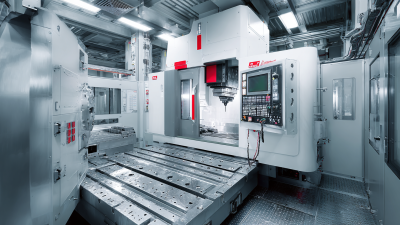
Choosing a machining center in 2026 requires more than comparing spindle speed and price. Manufacturers now face tighter tolerances, changing material demands, skilled-labor shortages, and stronger pressure to reduce energy use. A suitable machine must fit the actual work.
It should match your parts, volumes, tooling, floor space, and future plans. A five-axis machining center may reduce setups, but it can add programming complexity and maintenance costs. A high-speed spindle may impress on paper. It may perform poorly during heavy cutting. Those details matter.
As machining researcher Dr. Yusuf Altintas puts it, “Machining is both a science and an art.” His observation remains practical. Buyers need measurable data, not attractive brochures. Check spindle torque curves, thermal stability, control functions, tool capacity, chip evacuation, and service response times. Ask for sample cuts using your materials. Watch the surface finish. Listen for vibration.
Do not ignore operators.
A machine can be technically advanced yet uncomfortable to run. Poor access, unclear controls, or difficult maintenance can quietly reduce productivity. I have seen specifications look excellent while real production exposed weak chip removal and slow tool changes. That experience deserves attention, although it should not replace controlled testing.
This guide explains how to evaluate a machining center for 2026. It considers performance, automation, software, reliability, total ownership cost, and supplier support. The best choice is not always the most advanced model. It is the machine that delivers stable results, measurable value, and room to improve.
Define Your Machining Needs and Production Goals
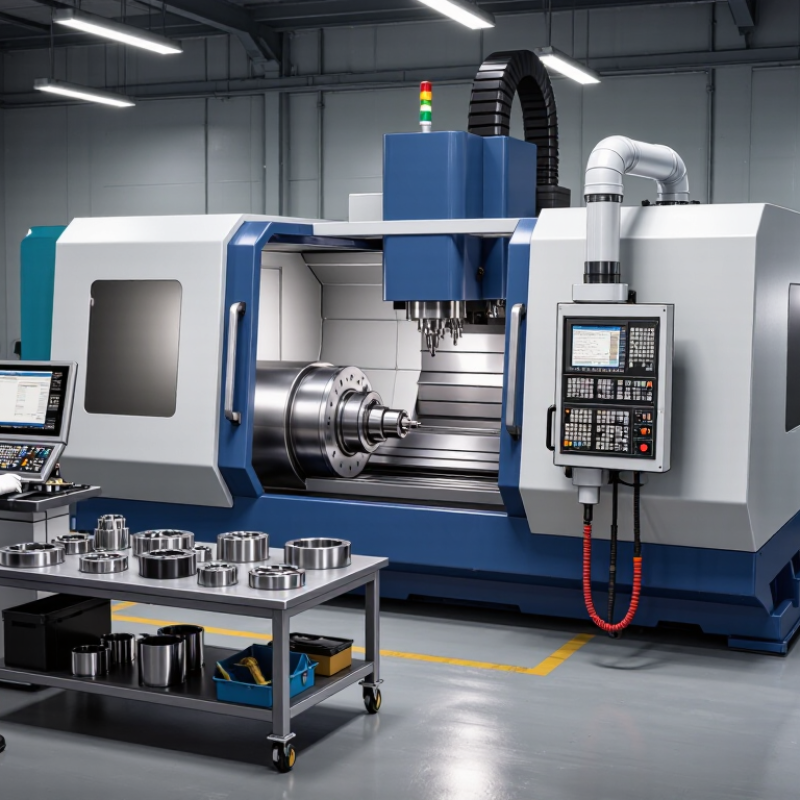
Choosing a machining center in 2026 should begin with your production goals, not a machine brochure. Define the parts, materials, batch sizes, tolerances, and monthly output first. A small aluminum component may need high spindle speed, while steel housings demand torque, rigidity, and controlled heat. Record the largest workpiece, fixture height, tool length, and chip volume. Small omissions become expensive later.
Deloitte’s 2024 Smart Manufacturing and Operations Survey found that 86% of manufacturers expect smart manufacturing to become a primary competitiveness driver within three years. This supports selecting a machine that can provide usable production data, tool-life monitoring, and straightforward integration.
However, more connectivity is not automatically better. Operators still need clear alarms and practical access to the control system. Complexity can slow a workshop.
Production scale also matters. The International Federation of Robotics reported 541,302 industrial robots were installed worldwide in 2023. That figure signals stronger demand for automation, but a robot is not always the right first investment. For irregular prototypes, flexible fixturing and fast setup may create more value. For repeat batches, pallet changing and automatic tool management may reduce idle minutes. I have seen capacity plans fail because they counted cutting time but ignored probing, loading, inspection, and chip removal. Measure the complete cycle. Then question your assumptions.
Compare Machining Center Types and Configurations
Choosing a machining center in 2026 starts with comparing machine types, not chasing specifications. Vertical machining centers suit general work, small batches, and easy operator access. Horizontal models support better chip evacuation and efficient multi-face machining. Five-axis centers reduce repositioning for aerospace-style contours, molds, and complex medical components. However, five-axis capability can add programming difficulty and maintenance demands.
Configuration matters as much as machine type. Check the working envelope against your largest real component, not an ideal future part. Compare spindle speed, torque, taper size, table load, axis travel, and tool capacity. A high-speed spindle may perform poorly during heavy cutting. Stronger rigidity can matter more than maximum rpm.
Through-spindle coolant, probing, automatic tool measurement, and reliable chip removal can improve consistency during long production runs. Do not ignore floor space, power requirements, and operator training.
Tips: Request a cutting test using your actual material and tooling. Measure cycle time, surface finish, vibration, and chip control. Review service response, spare-part access, and software compatibility. A larger machine is not automatically better. It may consume more energy and leave useful capacity unused. I would also question impressive accuracy claims without test conditions. Temperature, tool wear, workholding, and programming quality can change results. My earlier preference for maximum automation would need reconsideration when production volume is low and setup variety is high.
Evaluate Accuracy, Speed, Capacity, and Automation
Choosing a machining center in 2026 starts with evidence, not brochure claims.
Accuracy should be checked under thermal load and realistic cutting conditions. ISO 230-2 defines tests for positioning accuracy and repeatability. ISO 10791 covers machining-center performance tests. Request measured data at operating temperature, not only factory acceptance results. A five-axis table may reduce setups, yet rotary-axis error can appear on a contoured impeller. Small deviations matter.
Speed needs context. Compare spindle power, torque curves, acceleration, tool-change time, and chip evacuation. A high-rpm figure can mislead when cutting titanium or hardened steel. Run trials with your own parts. Record cutting time, idle motion, probing, and recovery. Capacity includes travel, table load, tool storage, coolant volume, and door access. A crowded work envelope creates costly compromises.
Automation is now a capacity decision. The International Federation of Robotics reported 541,302 industrial robots installed worldwide in 2023, with 4.28 million operating. That growth supports wider adoption, but robots cannot stabilize poor processes. Verify pallet interfaces, probing routines, barcode logic, and recovery after tool breakage. Begin with one repeatable part family. I would still budget operator involvement. Unattended production is not maintenance-free. That assumption is often wrong.
Calculate Total Cost, ROI, and Long-Term Flexibility
How to Choose a Machining Center in 2026?
Purchase price is only the starting point. Calculate the total cost across at least seven years. Include tooling, installation, training, maintenance, energy, coolant, software, and operator time. A machine costing $180,000 may require another $35,000 before producing its first stable batch. Ask for documented cycle times using materials and tolerances similar to your work. Sales estimates can be optimistic.
Measure return on investment through usable capacity, not maximum spindle speed. Compare expected annual contribution margin with depreciation, financing, and service costs. For example, saving six minutes per part matters only when orders consistently fill that capacity. Track setup duration, scrap rate, inspection delays, and unplanned downtime. Real production data is more reliable than a showroom demonstration. I have seen fast machines underperform because programming remained slow.
Tips: Request a five-year ownership worksheet. Price critical spare parts before signing. Check local service response times. Test your largest fixture, longest tool, and heaviest regular workpiece. Confirm whether the control supports future automation, probing, data collection, and additional axes. Leave electrical and floor-space capacity for expansion. Flexibility has value, but unused options still cost money. Be honest about your forecast. Maybe demand will change. A cheaper machine with open interfaces may outlast a more advanced system that locks your workflow. Revisit the calculation every year, especially after labor, energy, or material costs shift.