China Top 10 Mini CNC Machine Manufacturers
Choosing a mini CNC machine is rarely just a matter of finding the lowest price. A compact router or mill must fit the work, the workshop, and the operator’s skill level. Spindle power, working area, frame rigidity, control software, and service support all shape the result. Small machines still demand careful choices.
Manufacturing-quality expert W. Edwards Deming offered a useful principle: “Quality comes not from inspection, but from improvement of the production process.” That idea applies when comparing suppliers, too. A polished product page cannot replace clear specifications, consistent build details, accessible documentation, and responsive technical support. Details matter.
This guide to China’s top 10 mini CNC machine manufacturers is intended to help buyers compare options with practical questions in mind. What materials can each machine cut reliably? Are replacement parts easy to identify? Can the manufacturer explain setup and maintenance without vague promises? These are useful questions, not guarantees. Rankings can change as product lines and service quality evolve, and published specifications may not tell the whole story. A machine that looks capable in a catalog may need upgrades for a particular job. That deserves a closer look.
The comparison highlights product range, manufacturing focus, customization, and buyer support, while recognizing that no single supplier suits every workshop. Check current specifications and request written details before purchasing. A little skepticism helps. For hobbyists, schools, and small businesses, the right mini cnc machine is the one that meets real production needs—not merely the one with the boldest claims.
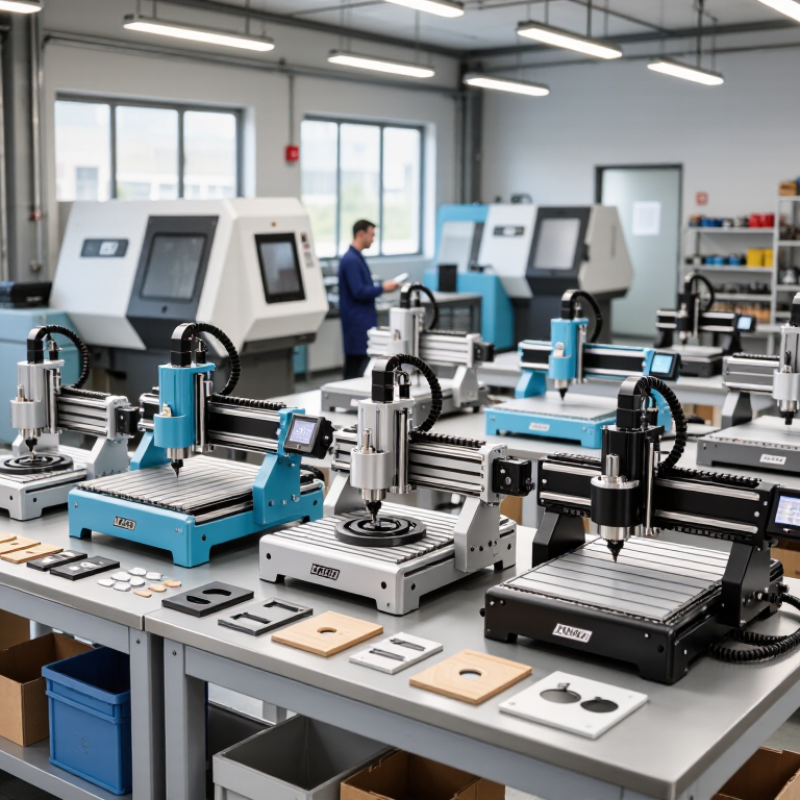
What Defines a Mini CNC Machine and Where Is It Used?
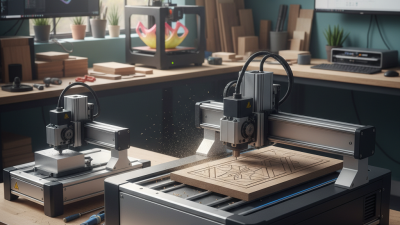
A mini CNC machine is a compact, computer-controlled tool with a smaller work area and footprint than many industrial systems. “Mini” has no universal size limit. Buyers should compare usable axis travel, frame rigidity, spindle power, and tool clearance instead of judging by the outer dimensions alone. That distinction matters. A small machine can still produce precise parts, but its capacity depends on setup, tooling, and material.
Tips: Check the stated work area before buying. Leave room for clamps and the cutter. Secure the material firmly, and use suitable cutting speeds. A light frame may chatter when pushed too hard. That can spoil an edge.
Mini CNC machines are commonly used for classroom demonstrations, prototypes, signs, model parts, and small production runs. They can machine wood, plastics, and some soft metals when the machine and cutter are rated for the task. A coin-sized part may be easy to program, yet difficult to hold securely. I would not assume that every desktop model can cut steel; spindle power and rigidity vary considerably. Test settings on scrap material, then inspect the result before repeating the job.
How to Evaluate Mini CNC Machine Manufacturers in China
Choosing among China’s mini CNC machine manufacturers requires evidence, not polished factory videos. IFR’s World Robotics 2024 report recorded 541,302 industrial robot installations worldwide in 2023, with 70% installed in Asia. This signals a strong regional automation ecosystem, but it does not prove any individual machine’s accuracy. Ask manufacturers for documented tests based on relevant ISO 230 methods, including positioning accuracy and repeatability. Request the original results, test conditions, and measurement equipment details. A certificate alone is not enough.
Inspect the machine’s actual working envelope, spindle runout, backlash, and thermal drift. Ask for a sample cut in your material, then measure the finished part yourself. Test it cold. Test it after several hours. Compare results across repeated runs, not just one attractive sample. Request a bill of materials, component specifications, and a clear warranty covering spindle, controller, and motion components. Check whether replacement parts are stocked locally and how quickly technical support responds. A video call can reveal practical details: cable routing, guarding, chip handling, and finish quality. Small machines vary widely, and a low price can hide costly limitations. I would also ask for a customer reference, though some suppliers may not share one. That gap deserves follow-up.
Profiles of Ten Leading Mini CNC Machine Manufacturers in China
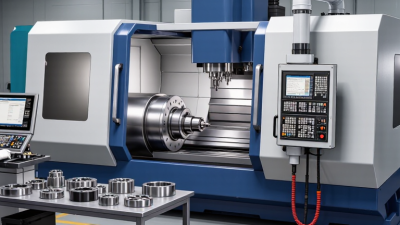
China’s mini CNC machine manufacturers serve schools, repair shops, prototyping labs, and small production floors. Their compact mills, lathes, and router-style machines differ in working area, spindle power, frame rigidity, and control options. These differences matter. A small aluminum housing may need a rigid frame and reliable chip clearance, while engraving work may prioritize fine motion and a compact footprint.
Grand View Research estimated the global CNC machine market at US$83.99 billion in 2023, with a forecast 5.3% compound annual growth rate from 2024 to 2030. That figure covers CNC machines broadly, not mini machines alone, so it is useful context rather than a direct measure of China’s compact-machine segment. In comparing ten Chinese manufacturers, examine machine structure, axis travel, spindle specifications, supported materials, installation guidance, and spare-parts access. Ask for test cuts in your intended material. A neat catalogue is not proof of accuracy. Small details matter. Published positioning figures may also depend on setup, tooling, and measurement conditions, so buyers should verify them against a documented test report.
Mini CNC Machine Configurations: Controlled Axis Counts
Common mini CNC machine configurations are described by the number of controlled axes. The chart shows axis counts, not manufacturer rankings or market shares.
How Their Products Compare in Precision, Features, and Applications
Comparing ten mini CNC manufacturers requires more than reading the smallest accuracy figure. Check positioning accuracy, repeatability, spindle runout, and backlash, along with the test conditions behind each number. ISO 230-2:2014 specifies tests for positioning accuracy and repeatability across machine-tool axes. Numbers need context. A result measured after warm-up may not match a cold start in a small workshop.
Features reveal where machines differ. A rigid frame and low spindle runout suit fine engraving or small metal parts; a larger work area and higher-speed spindle may better serve wood, plastics, or circuit boards. Tool-change systems save setup time, but add cost and maintenance. Some listings omit thermal drift or test methods. That weakens direct comparisons.
Grand View Research valued the global CNC machine market at US$83.99 billion in 2023 and forecast a 5.3% compound annual growth rate from 2024 to 2030. This broad market figure does not isolate mini machines, but it reflects demand across varied production needs. For buyers, application fit matters: watch a machine cut a fine contour, inspect the finished edge, and verify repeatability over several runs. I would still treat one demonstration as limited evidence.
How to Choose a Chinese Mini CNC Manufacturer for Your Needs
Choosing a Chinese mini CNC manufacturer starts with your actual workpiece, not a catalog ranking. Note the material, largest cutting area, required tolerance, and typical run time. A machine advertised with a small footprint may still lack enough Z-axis clearance for your fixture. Ask for the working envelope, spindle specifications, control system, and positioning accuracy in writing. Details matter.
Tips: Request a short video cutting your material, plus a sample part with measured dimensions. Ask which instruments were used and whether the result can be repeated. A polished demo alone proves little.
Check how the manufacturer handles setup, training, replacement parts, and technical support across your time zone. Confirm what is included in the quotation, such as software, tooling, packaging, and shipping terms. If possible, speak with a customer using a similar machine for similar work. Ask about wear items and typical delivery times, not just warranty length. Compare the answers against your production needs rather than choosing the lowest price. Some specifications may be stated differently between suppliers, so clarify units and test conditions. I would not treat one attractive sample as proof of consistent output; request several parts or a repeatability check.