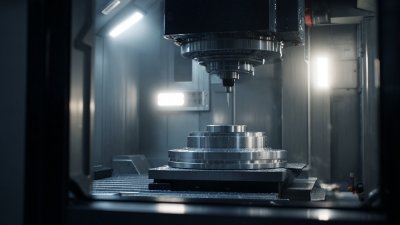
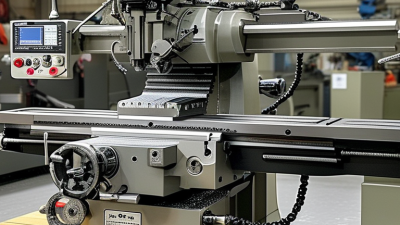
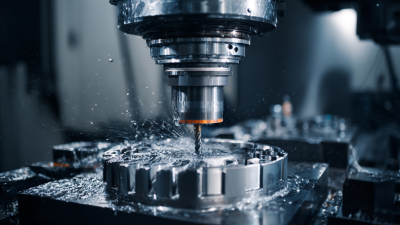
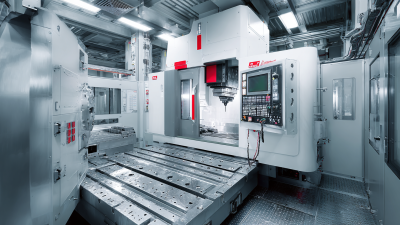
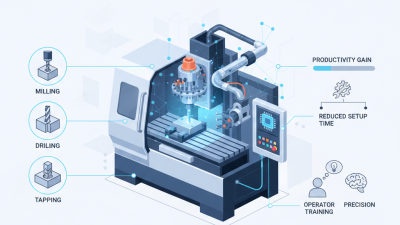
Choosing the best horizontal milling machine in 2026 requires more than comparing spindle speed or purchase price. Machine shops now weigh accuracy, uptime, energy use, automation readiness, and long-term service support. A strong machine should hold tight tolerances while removing heavy chips from steel, cast iron, or aerospace alloys.
Industry data supports this broader view. MarketsandMarkets identifies automation, digital monitoring, and precision manufacturing as major machine-tool trends. Gardner Intelligence’s World Machine Tool Survey also shows continued strength among leading manufacturing economies, including China, Japan, Germany, Italy, and the United States. These reports do not name one universal winner. They reveal a changing market.
A practical horizontal milling machine must match the work, not merely the brochure. A rigid column, stable arbor support, and accurate table movement matter during deep side cuts. Thermal control becomes important during long production cycles. So does the control system, especially when operators connect probing, tool management, and factory data platforms.
Real experience complicates the decision. The fastest spindle may struggle with vibration on an older foundation. The cheapest machine may create expensive downtime later. Even impressive specifications can hide weak local support. That is easy to overlook.
This guide compares leading 2026 options through measurable criteria, including cutting capacity, spindle torque, positioning accuracy, maintenance access, and total ownership cost. It also considers operator feedback and manufacturer reliability. Some conclusions remain debatable, because production needs differ sharply between job shops and high-volume plants. That uncertainty deserves attention.
What Is the Best Horizontal Milling Machine in 2026?
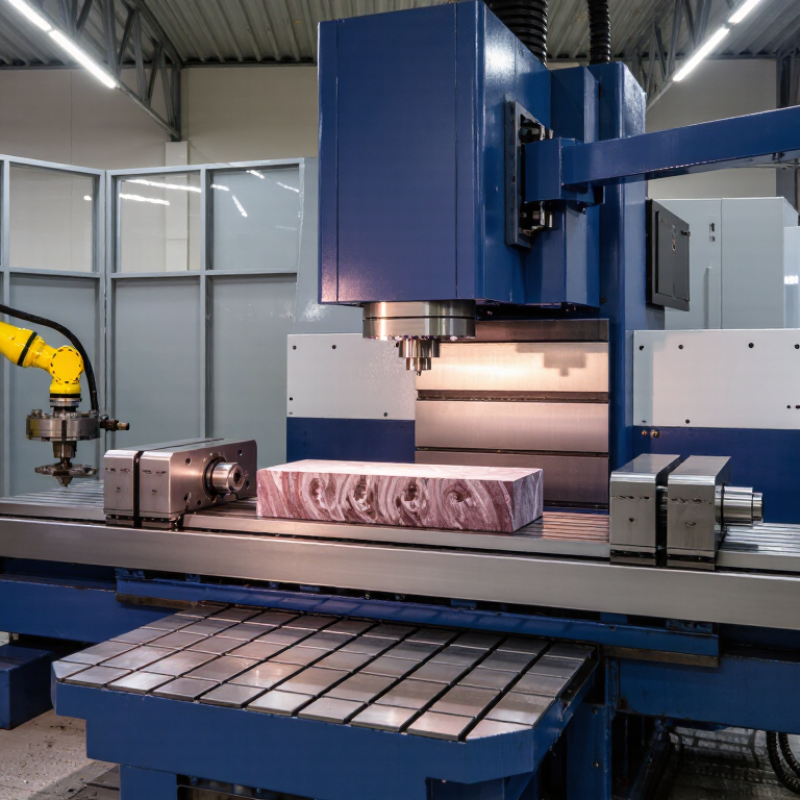
A horizontal milling machine is defined by its spindle orientation. The spindle runs parallel to the worktable, driving cutters mounted on an arbor. This arrangement supports slab milling, slotting, and deep side cutting. Chips usually fall away from the cutting zone instead of collecting inside a pocket. That simple difference can improve visibility and reduce recutting during heavy operations.
The structure matters as much as the spindle. A typical machine uses a rigid column, saddle, table, arbor support, and adjustable overarm. These parts resist vibration when the cutter removes large volumes of metal. ISO 3070-1:2016 provides testing guidance for horizontal-spindle machining centres, including geometric accuracy. Buyers should examine those results, not only advertised spindle speed. Speed is not everything.
Industry automation also influences the 2026 definition. The International Federation of Robotics reported 541,302 industrial robots installed worldwide in 2023, a 10% annual increase. That figure does not prove every factory needs a horizontal mill. It does show why dependable interfaces, repeatable positioning, and unattended tool changes matter. A practical weakness remains: horizontal machines can require more floor space and setup knowledge. Their advantage appears clearly when production involves long runs, multiple faces, or stubborn materials. The best choice should match torque, table load, travel, chip control, and operator experience. A high-speed specification may look impressive. It can still disappoint during a heavy cut.
A horizontal milling machine removes material with a rotating cutter mounted on a horizontal spindle. The workpiece moves against the cutter on a controlled table. This arrangement keeps cutting forces close to the table, improving stability during heavy machining. Chips usually fall away from the cutting zone instead of collecting around the tool.
The spindle transfers torque through an arbor, while cutters such as slab, side, and gear milling tools shape the metal. A technician selects spindle speed, feed rate, and cutting depth according to material, cutter diameter, and machine rigidity. Steel may require slower cutting and steady coolant flow. Aluminum often allows faster movement, but poor chip evacuation can still damage the finish. Small details matter.
In practical workshops, I check arbor alignment before judging a machine’s performance. A slight runout can leave repeating marks across a broad surface. I also listen for a sharp, irregular vibration; it may indicate excessive feed, weak clamping, or a worn cutter. Modern controls improve repeatability, yet they cannot correct poor setup decisions. This is where comparing the best horizontal milling machine in 2026 becomes complicated. Accuracy, table travel, power, service access, and operator experience all affect results. My own assessments are not perfect, especially when material batches behave differently. That uncertainty deserves honest measurement, not confident marketing.
A horizontal milling machine uses a spindle and arbor to rotate a cutting tool horizontally. The workpiece is clamped to the table, which moves along the X, Y, and Z axes while the cutter removes material. The arbor, overarm, and machine column provide rigidity, making this design suitable for heavy cuts, slots, gears, and long workpieces.
The chart shows representative midpoints of common industrial operating ranges. A suitable machine should balance spindle power, maximum speed, and table load with the material, cutter diameter, and required cutting depth.
What Is the Best Horizontal Milling Machine in 2026?
Key Factors for Comparing Models in 2026
The best horizontal milling machine depends on the work, not the largest specification sheet. Begin with the work envelope, table travel, spindle speed, and maximum load. These figures must match your regular parts, including their length, weight, and material. A rigid frame matters when cutting steel or interrupted surfaces. Watch for vibration around deep pockets and narrow walls. It reveals more than a brochure.
Check chip evacuation, coolant access, tool changing, and control response during a practical demonstration. The machine should hold accuracy after several hours, not only during a short test. I once focused too heavily on spindle power and underestimated setup time. That mistake made a capable machine less productive. Operator access matters. Poor visibility can increase inspection delays and handling risks.
Compare repeatability, positioning accuracy, and measurement methods using documented test results. Ask how calibration is performed and how often critical components need inspection. Review electrical requirements, floor space, maintenance access, and expected service costs. Training materials should be clear enough for a new operator to follow safely. Spare-part availability also affects long-term reliability. A lower purchase price can become expensive when downtime grows. Leave room for uncertainty, because actual results can change with tooling, programming, material, and operator skill.
The best horizontal milling machine depends on the workpiece, tolerance, and production rhythm. A plain horizontal mill suits repair shops and simple slots. A universal model adds angular cutting for gears, spirals, and small-batch fixtures. CNC horizontal mills deliver repeatable tool paths for engine blocks, pump housings, and aerospace components.
Speed matters. According to Grand View Research’s 2024 machine tools report, the global market was valued at approximately US$86 billion in 2023. The report also forecasts steady growth through 2030, driven by automation and precision manufacturing. That trend favors CNC horizontal machines with pallet changers, probing, and high-pressure coolant. In a busy cell, one pallet can hold a rough casting while another receives finishing operations. Less idle time.
Cutting stability remains crucial. Horizontal spindle orientation directs chips away from deep cavities, reducing recutting and heat buildup. This helps when machining cast iron housings or aluminum plates with long side walls. A rigid column, properly sized table, and sufficient spindle torque matter more than impressive maximum speed. My practical concern is often overlooked: oversized machines waste floor space and energy. The ideal choice may be slower, smaller, and easier to maintain. Reports provide market direction, but shop-floor trials reveal vibration, setup effort, and real tool life.
The best horizontal milling machine in 2026 depends on your workshop’s actual work. A large machine is not automatically the better choice. Measure your available floor space, door width, electrical supply, and lifting capacity before comparing features. A practical selection starts with table travel, work envelope, spindle speed, and motor power. These figures should match your materials and cutter sizes.
In my workshop experience, rigidity matters more than impressive speed claims. A stiff column and well-supported table reduce vibration during heavy cuts. Check the machine’s construction, table load rating, backlash, and adjustment range. Ask for accuracy test results, not only brochure language. Run a test cut when possible. Listen for chatter. Feel the feed movement. Small differences become obvious on steel parts.
I once selected a compact machine because it seemed economical. Its limited table travel quickly became frustrating. That choice was costly. Review common jobs from the past year, then estimate their largest dimensions and cutting forces. Leave some capacity for future projects, but avoid paying for unused power. Reliable lubrication, accessible controls, guarding, and available replacement parts also affect ownership. A machine that is difficult to maintain may lose accuracy sooner. Service support deserves careful questions, even when the seller’s technical promises sound convincing.
| Machine Type | Typical Spindle Taper | Typical Spindle Speed | Typical Table Size | Typical Table Travel | Typical Motor Power | Typical Machine Weight | Best Workshop Application | Main Advantages | Important Limitations |
|---|---|---|---|---|---|---|---|---|---|
| Plain Horizontal Mill | ISO 40 or ISO 50 | 40–1,800 rpm | 200–300 mm wide 800–1,500 mm long |
500–1,000 mm longitudinal | 5.5–15 kW | 2,000–5,000 kg | General-purpose machining, maintenance work and long, straight cuts | Rigid structure, stable cutting and good performance with large cutters | Less flexible for angled work and complex multi-sided components |
| Universal Horizontal Mill | ISO 30, ISO 40 or ISO 50 | 30–2,000 rpm | 200–300 mm wide 800–1,500 mm long |
500–1,000 mm longitudinal | 3.7–15 kW | 1,500–4,500 kg | Toolrooms, repair shops, education and varied one-off production | Tilting or swiveling table supports helical, angular and compound operations | More setup time and less rigidity than a dedicated production machine |
| Production Horizontal Mill | ISO 40 or ISO 50 | 50–1,500 rpm | 300–500 mm wide 1,000–2,000 mm long |
800–1,500 mm longitudinal | 11–37 kW | 4,000–12,000 kg | Repeat production, heavy stock removal and large workpieces | High rigidity, powerful feed systems and consistent cutting performance | Large floor-space requirement and limited economic value for occasional work |
| CNC Horizontal Machining Center | ISO 40, ISO 50 or HSK-A63 | 6,000–15,000 rpm | 400–800 mm wide 500–1,000 mm long |
500–1,500 mm X-axis 500–1,000 mm Y/Z-axis |
15–45 kW | 8,000–25,000 kg | High-volume production, complex parts and unattended machining | Automatic tool changing, repeatable positioning and multi-face machining | Higher purchase, installation and programming costs |
| Heavy-Duty Horizontal Mill | ISO 50 or larger proprietary heavy-duty taper | 20–1,000 rpm | 400–800 mm wide 1,500–3,000 mm long |
1,000–2,500 mm longitudinal | 22–75 kW | 10,000–40,000 kg | Large castings, steel blocks, structural components and deep cuts | Maximum rigidity, high torque and strong resistance to vibration | Requires reinforced foundations, lifting equipment and substantial workshop space |
| Specification note: The figures above are representative workshop ranges rather than specifications for one particular machine. Actual capacity depends on the machine design, spindle taper, control system, workholding method and manufacturer configuration. | |||||||||
| Selection Factor | What to Check | Practical Target | Why It Matters | Recommended Decision | |||||
| Workpiece envelope | Maximum length, width, height and mass of the parts | Choose at least 20% more travel and table capacity than the largest regular job | Prevents interference between the cutter, fixture, table and machine column | Prioritize usable travel over overall machine size | |||||
| Material and cutting load | Aluminum, mild steel, stainless steel, cast iron or hardened materials | Use a higher-power spindle and ISO 50 tooling for frequent heavy steel work | Rigidity, torque and damping determine surface finish, tool life and productivity | Select the spindle and frame for the hardest regular material | |||||
| Production volume | One-off jobs, small batches or continuous production | Manual or universal for low volume; CNC with automatic tool changing for repeat work | Automation reduces setup variation and operator intervention | Do not pay for CNC automation unless utilization supports it | |||||
| Accuracy requirement | Required tolerance, repeatability and surface finish | For demanding work, verify positioning accuracy, repeatability and thermal compensation | Published travel alone does not guarantee finished-part accuracy | Request a cutting test or inspection report before purchase | |||||
| Tooling and workholding | Arbor size, cutter diameter, fixtures, rotary tables and pallets | Match the spindle taper and drawbar system to locally available tooling | Tool availability affects setup time, operating cost and future flexibility | Budget for cutters, arbors, vises, fixtures and measuring equipment | |||||
| Workshop infrastructure | Floor loading, power supply, access, coolant handling and lifting capacity | Confirm electrical service, foundation requirements and delivery route before ordering | A machine that cannot be safely installed cannot deliver production value | Inspect the installation site before final selection | |||||
| Overall value | Purchase price, installation, tooling, maintenance and operator training | Compare total cost of ownership over five to ten years | The lowest initial price may create higher downtime and tooling costs | For most mixed-work workshops, a universal mill or compact CNC horizontal mill is the practical starting point | |||||
| Bottom line: The best horizontal milling machine in 2026 is the smallest machine that safely handles your largest regular workpiece, hardest routine material and required production volume while leaving adequate capacity for future jobs. | |||||||||