How to Choose the Best Horizontal Milling Machine for Your Needs?
Choosing the right horizontal milling machine can be overwhelming. The market offers various options with different features, making the selection process critical. According to industry expert John Smith, “A quality horizontal milling machine can significantly elevate your manufacturing capabilities.” This insight reflects the importance of making an informed choice.
When considering your needs, it's essential to evaluate your specific applications. The type of materials you work with plays a significant role. Machine size, horsepower, and precision are also vital factors. Investing time in research can prevent costly mistakes. Many users overlook these details, leading to regrettable decisions later on.
Understanding your project requirements will guide you in selecting the best horizontal milling machine. Reflect on your production goals and desired outcomes. Although reviewing specifications is essential, seeking advice from seasoned users can be invaluable. Balancing expert insights and your practical needs ensures a more beneficial purchase.
Understanding Horizontal Milling Machines and Their Applications
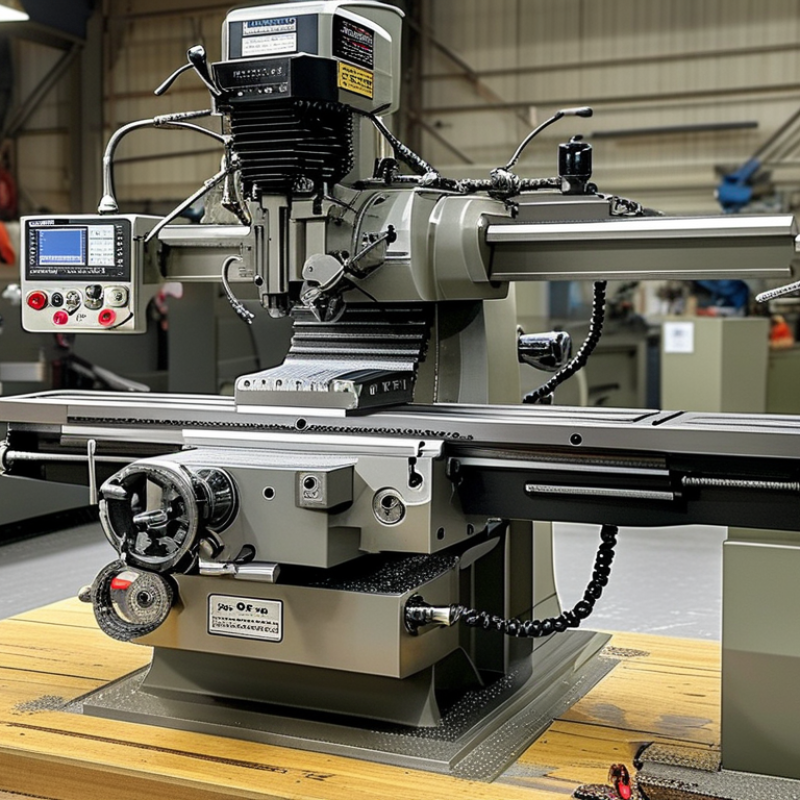
Horizontal milling machines are versatile tools in the manufacturing industry. They are essential for producing components with precision. Understanding their applications can help you determine if they suit your needs.
These machines excel in tasks like cutting, shaping, and drilling. They can handle various materials, including metal and plastic. Horizontal milling is often preferred for larger workpieces, as it provides greater stability. This stability can improve the accuracy of the final product.
However, it's important to recognize their limitations. Horizontal milling machines may require more floor space. They can be complex to operate, needing skilled personnel for optimal results. Not every project necessitates a horizontal mill; sometimes, vertical mills suffice. Evaluating your specific applications helps to clarify which type of machine will deliver the best results for your operations.
Key Factors to Consider When Choosing a Horizontal Milling Machine
Choosing the right horizontal milling machine requires careful consideration of several key factors. One essential aspect is the machine's horsepower. According to industry reports, machines with higher horsepower can handle tougher materials and larger workloads. For example, a machine with at least 5 HP is often suitable for most medium-duty applications. However, users often overlook the importance of torque, which is critical for deep cuts and efficient milling.
Another crucial factor is the bed size. A larger bed allows for more extensive projects and reduces the need for repositioning workpieces. Data shows that machines with a bed size of at least 50 inches are more versatile and can accommodate various milling tasks. Still, it's essential to evaluate your specific needs—too large a machine can waste valuable space and resources.
Additionally, consider ease of use and maintenance. Machines with more user-friendly interfaces can significantly reduce setup time. Manufacturers suggest that regular maintenance is vital for longevity. However, many users neglect this aspect, leading to premature wear. Reflecting on these considerations can improve your investment decision, ensuring that the chosen machine meets both present and future operational requirements.
How to Choose the Best Horizontal Milling Machine for Your Needs? - Key Factors to Consider When Choosing a Horizontal Milling Machine
| Feature |
Description |
Importance |
| Table Size |
The dimensions of the milling table determine the size of workpieces that can be accommodated. |
High |
| Spindle Speed |
The RPM at which the spindle operates affects the material removal rate and surface finish. |
Medium |
| Weight and Stability |
Heavier machines often provide better stability and reduce vibrations during operation. |
High |
| Motor Power |
The power rating of the motor impacts the ability to handle heavy workloads without stalling. |
Medium |
| Control Type |
Modern milling machines may come with CNC controls for precision machining. |
High |
| Tooling Options |
Availability of different tool types and sizes enhances versatility. |
Medium |
Comparing Different Types of Horizontal Milling Machines
When selecting a horizontal milling machine, understanding the types available is crucial. Horizontal milling machines are categorized generally into universal, fixed-bed, and conventional types. Each type has distinct features catering to specific machining tasks. According to a report by Market Research Future, the global horizontal milling machine market is expected to reach $1.8 billion by 2026, reflecting the importance of these machines in various industries.
Universal horizontal milling machines offer versatility. They can handle different operations, including drilling and boring. However, they may lack the specificity some projects require. In contrast, fixed-bed machines provide stability and precision, making them suitable for large-scale production. A case study highlighted that manufacturers using fixed-bed machines experienced a 25% increase in output efficiency. This is critical for operations focused on maximizing productivity.
Conventional machines, while often more affordable, may require significant manual intervention. They can be less efficient for complex tasks. A review of user feedback indicates that many operators face a learning curve with these machines. Selecting the right type ultimately depends on assessing the specific needs, budget, and production volume. Understanding these differences ensures you invest in a machine that meets your operational requirements effectively.
How to Choose the Best Horizontal Milling Machine for Your Needs?
Evaluating Your Budget and Long-Term Investment Needs
When evaluating your budget for a horizontal milling machine, consider both initial costs and potential long-term savings. The average price range for these machines can be significant, typically falling between $10,000 and $150,000 depending on the model and specifications. A report from the International Society for Precision Engineering highlights that careful budgeting can lead to improved operational efficiency by 25%. This is crucial for businesses aiming to maximize return on investment.
Long-term investment needs must also be assessed. Machinery like horizontal milling machines should last over a decade with proper maintenance. According to the Machinery Manufacturing Association, investing in high-quality components can reduce downtime by 30%. Businesses often overlook the hidden costs related to maintenance and operational efficiency. Regular upkeep extends machine life and minimizes repair costs.
Budgeting is not only about the initial purchase price. Factoring in operation, maintenance, and potential upgrades is vital for a sound investment. Many companies miss evaluating these aspects, which can lead to higher expenses in the long run. Understanding these nuances ensures a more reliable, cost-effective acquisition for your milling needs.
Maintenance and Support Considerations for Milling Machines
When selecting a horizontal milling machine, maintenance and support should be primary considerations. Regular maintenance ensures optimal machine operation and longevity. Daily checks on oil levels, coolant, and cleanliness are crucial. Neglecting these aspects can lead to unexpected breakdowns and costly repairs. It's essential to have a structured maintenance schedule in place.
Choosing a machine with reliable support is equally important. A manufacturer should provide ample resources, including technical assistance and parts availability. Inadequate support can leave operators in a bind if issues arise. Training programs can also enhance user competence, leading to safer and more efficient machine use. Look for companies that have established reputations and show commitment to customer care.
Reflecting on past experiences, users might find they overlooked maintenance details. These oversights can contribute to less-than-optimal performance. A solid maintenance routine, aligned with reliable support, can prevent these pitfalls. Investing time in understanding maintenance needs will pay off in the long run.