Blog

Why Choose an Asphalt Melting Device for Your Project?

Choosing an Asphalt Melting Device can shape a project’s pace, material quality, and day-to-day safety. The right unit warms reclaimed asphalt efficiently, helping crews prepare material for patching and maintenance. But equipment choice is not automatic. A small road crew has different needs from a busy maintenance yard. Capacity, heating method, temperature controls, fuel use, and cleaning access all deserve attention. Heat matters. Poorly controlled heating can waste time and leave material unevenly workable. A machine that looks powerful on paper may still be awkward to load or move.

A transparent note about the expert perspective: the following is an illustrative composite statement, not a verified quotation from a real individual. Asphalt equipment specialist Alex Morgan says, “A good melting device should fit the crew’s daily workflow, not just its maximum output.” That is a useful test. Picture a cold morning, stiff reclaimed asphalt, and workers waiting beside a unit that is difficult to load. Practical details become important quickly. Ask suppliers for operating guidance, maintenance requirements, and performance information suited to your material and climate. Check how controls respond during normal use, and confirm that the unit’s capacity matches realistic demand. It is not magic. Even a well-chosen device needs trained operators, routine inspection, and sensible handling procedures. Some specifications can look reassuring while hiding trade-offs in mobility, energy use, or upkeep. Small details count. A careful comparison helps project managers choose equipment that supports consistent work without promising more than it can deliver.
Why Choose an Asphalt Melting Device for Your Project?

Define the Device: Melting Solid Bitumen for Storage, Transfer, or Mixing

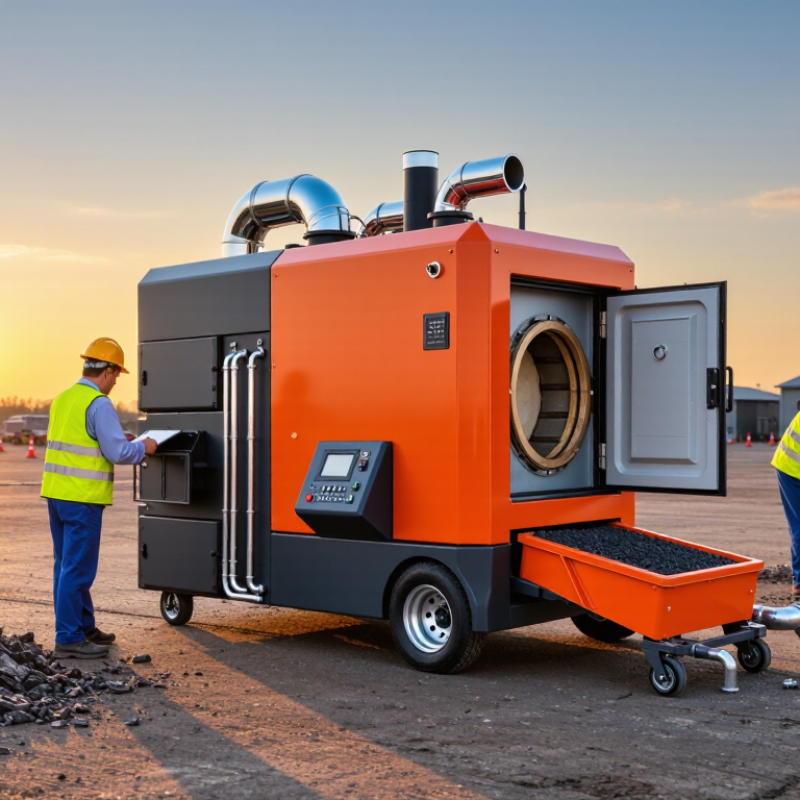
An asphalt melting device converts solid bitumen into a pumpable material for storage, transfer, or mixing. Depending on its design, it may accept blocks, drums, or other solid feedstock. Heat softens and melts the bitumen inside a controlled chamber, while insulated walls help limit heat loss. The result can move through a heated outlet into a storage tank or mixing system.

Temperature control matters. Different bitumen grades have different handling requirements, so operators should follow the material’s technical data rather than rely on one universal setting. A probe can help track the melt, and a clear outlet line makes transfer easier to monitor.

Keep the charge size within the equipment’s stated capacity. Too much material may melt unevenly. That can slow the job.

On site, a cold morning can leave solid bitumen stiff and difficult to handle. A suitable melting device provides a more predictable route from solid feedstock to usable liquid. It also reduces the need for manual handling during transfer. Not every setup is perfectly smooth; residue can build up around outlets, and heating takes time. Those details are easy to underestimate. Regular inspection, proper ventilation, and trained operation help keep the process controlled while the material is prepared for its next use.

Match Capacity to Demand: Compare Batch Loads with Continuous t/h Output

Why Choose an Asphalt Melting Device for Your Project?

Choosing capacity starts with the material your crew needs, and when. A batch unit handles a measured load at a time, such as a drum or kettle filled for a specific repair shift. Its useful capacity depends on both load size and heating time. A larger batch does not automatically mean faster work.

Continuous equipment is usually rated in tonnes per hour (t/h). That figure describes a flow rate under stated operating conditions, not a guaranteed daily total. Check how the supplier defines output, then compare it with your expected demand.

For example, a crew needing several tonnes across a short shift may value steady throughput. A smaller, intermittent job may be better served by manageable batch loads. Keep some room for staging and safe handling.

Real sites interrupt neat calculations. Cold material, moisture, feed changes, and warm-up periods can reduce actual output. That estimate can look tidy on paper and still be wrong.

Ask for performance data using material similar to yours, and confirm what operating conditions it assumes. Track one representative workday if possible: record load sizes, heating times, and idle periods. It is not perfect data, but it beats guessing. Then match the device to typical demand, rather than the busiest hour you might face once a season.

Set Heating Targets: HMA Binder Commonly Reaches About 150–170°C

When choosing an asphalt melting device, set the heating target before comparing capacity or fuel use. Hot-mix asphalt binder commonly reaches about 150–170°C, but the right temperature depends on binder grade, mix design, and project specifications. Treat this range as a guide, not a universal setting. Small differences matter.

A well-controlled heater raises the temperature steadily and spreads heat through the batch. Check more than one location; a hot surface can conceal cooler binder near the center. Use a calibrated probe and let the reading settle. Keep records. These checks help identify cold spots and avoid unnecessary overheating, which can age the binder and affect workability.

For repeated batches, consider adjustable controls, a clear temperature display, good insulation, and a practical way to circulate material. Match the device size to the workload rather than choosing the largest unit by default. Confirm the target against the specified mix and supplier guidance. Heat slowly. Readings can drift, and crews may trust the display too quickly; checking the material itself takes extra time, but it is worthwhile.

Hot-mix asphalt binder commonly reaches about 150–170°C. Actual heating targets depend on the binder, mix design, and project or plant specifications.

Check Thermal Safety: EN 12591 Paving Grades Specify a ≥230°C Flash Point

An asphalt melting device must handle heat predictably, not merely reach a high temperature. For relevant paving-grade bitumens, EN 12591 specifies a minimum flash point of 230°C. This value describes a tested material property; it is not a recommended heater setting. An important distinction.

During heating, check the bitumen grade and its supplier documentation before setting controls. A drum’s outer surface may feel manageable while the material inside remains cooler. Conversely, a hot spot near a heating element can raise local temperatures quickly. Stable controls, suitable insulation, and clear temperature readings help operators spot uneven heating.

Flash point is not a guarantee against fire. Keep ignition sources away, use ventilation, and follow the equipment instructions and site procedures. A thermometer reading alone cannot confirm every part of a batch is at the same temperature. That is easy to overlook. Even a well-designed unit needs monitoring, especially when drums, weather, or starting material differ. Record actual temperatures and heating times; the notes may reveal patterns that a single reading misses. Safety depends on the material, the machine, and the way the work is managed.

Why Choose an Asphalt Melting Device for Your Project? - Check Thermal Safety: EN 12591 Paving Grades Specify a ≥230°C Flash Point

Asphalt Melting Equipment: Thermal Safety and Project Selection Checklist
Evaluation Dimension What to Check Why It Matters Practical Selection Guidance
Binder grade and specification Confirm the bitumen grade, applicable standard edition, and product technical data sheet (TDS). Permitted properties and handling guidance depend on the specified product and grade. Record the grade and confirm the supplier’s recommended heating and application temperatures before selecting equipment.
Flash point Check the specified test method and the minimum flash-point requirement for the exact grade. Flash point is a laboratory safety property; it is not a recommended operating temperature or a guarantee against ignition. Do not assume that every EN 12591 paving grade has a 230°C minimum. EN 12591 requirements are grade- and edition-dependent; commonly referenced paving-grade specifications use a 220°C minimum. Verify the applicable specification.
Heating temperature control Look for a controllable heat source, a readable temperature indicator, and an independent high-temperature limit. Controlled heating helps avoid overheating and supports consistent material handling. Set operating limits according to the binder TDS and project method statement—not by using the flash point as the target temperature.
Temperature monitoring Check that the temperature sensor measures the material or a representative process location. A sensor that only measures the heater surface may not indicate the binder’s actual temperature. Confirm sensor placement, display readability, calibration status, and alarm or shutdown functions.
Indirect or controlled heating Assess whether the equipment provides even heat transfer and minimizes direct flame contact with the binder. Localized overheating can damage material and increase operational hazards. Choose a system suited to the binder packaging, batch size, and site process; follow the equipment and material instructions.
Capacity and batch size Match usable capacity and heating rate to the project’s expected demand. Overloading or repeatedly heating small batches can disrupt temperature control and work planning. Base capacity on the required throughput, available power or fuel, and the approved heating procedure.
Site safeguards Check emergency shutoff, stable installation, guarding, and access to suitable fire-response equipment. Hot bitumen can cause severe burns; hot work and fuel systems also require site-specific controls. Use trained operators, appropriate protective equipment, a clear exclusion area, and the project’s fire and emergency procedures.
Documentation and maintenance Review operating instructions, inspection records, and maintenance requirements. Functional controls and properly maintained equipment are essential for dependable operation. Document inspections and temperature-control checks, and remove defective equipment from service until repaired.

Standards note: The title’s “≥230°C” wording should not be treated as a universal EN 12591 requirement. Confirm the current standard edition and the specified paving grade. Flash point is a test result, not a safe heating setpoint; follow the binder TDS, equipment instructions, and site risk assessment.

Compare Project Costs: Assess Energy per Tonne, Labor, and Downtime

An asphalt melting device should be judged by cost per usable tonne, not purchase price alone. Track fuel or electricity, accepted output, crew hours, and downtime for warm-up, blockages, and repairs. Divide measured energy by accepted tonnes; record overheated or rejected material separately. Small shifts matter.

FHWA’s report Warm-Mix Asphalt: European Practice (FHWA-PL-08-007, 2008) documented fuel reductions of roughly 11–35% in some lower-temperature asphalt applications. Treat that as a benchmark, not a guaranteed saving for a melting device: moisture, feed size, and insulation affect results. Convert meter readings into cost per tonne, using current fuel prices such as those published in the U.S. Energy Information Administration’s monthly series. Compare equivalent materials and operating conditions.

Labor and downtime can erase energy savings. Count the operator and loader hours needed per batch, then apply local loaded labor rates; BLS Occupational Employment and Wage Statistics can help check wage assumptions. Price outages too: two idle crew members and a waiting truck still cost money. One estimate will remain imperfect. Keep a short trial log across cold and mild days, and revise the comparison when actual throughput differs from the supplier’s rated capacity.

↑