Blog

Why Choose a Sewer Line Cleaning Machine?

Choosing a Sewer Line Cleaning Machine is about matching the equipment to the job, not simply buying the most powerful model. A compact machine may suit a narrow indoor drain, while longer municipal or commercial lines can require greater cable reach, water flow, or cutting capacity. Pipe diameter, access points, blockage type, and operator experience all matter. A grease buildup may need a different approach from roots or settled debris. The wrong setup can waste time, damage a line, or leave material behind.

A transparent note on the expert quotation: no source articles or verified expert interview were provided, so the following is an illustrative composite quote, not a real person’s statement. Sewer-maintenance specialist Jordan Hale, a fictional composite, sums up the decision this way: “Choose the machine for the pipe and the blockage—not for the biggest number on the label.” That distinction matters when comparing cable machines, jetters, and accessories. Look at maintenance needs, safety features, training, and how easily the equipment reaches the problem area. Small details count. A stiff cable, awkward access, or poor debris removal can change the outcome. A machine is not a cure-all. Even good equipment cannot make every old or damaged line safe to clean. The best choice is the one that fits the site, supports careful work, and helps verify that water flows freely afterward.
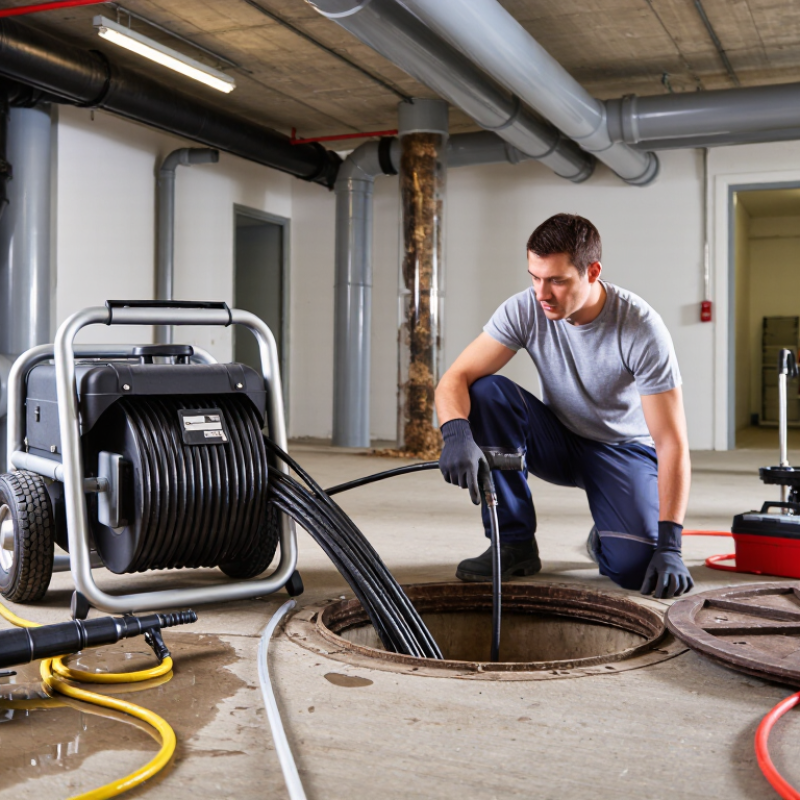
Why Choose a Sewer Line Cleaning Machine?

What Is a Sewer Line Cleaning Machine?

A sewer line cleaning machine is equipment designed to remove grease, sediment, debris, and some root growth from drain and sewer pipes. Common systems use a rotating cable with an attached cutting head, or a high-pressure water jet with a selected nozzle. The cable can scrape a blockage; the jet can flush loosened material downstream. A typical setup includes a power unit, feed mechanism, controls, and protective equipment. It is not a camera or a repair tool. Different pipe sizes, materials, and obstructions call for different methods.

The scale of maintenance is substantial. The U.S. Environmental Protection Agency’s 2022 Clean Watersheds Needs Survey estimated $630.1 billion in wastewater, stormwater, and related water-quality investment needs over 20 years. That figure covers far more than cleaning, but it shows why routine access and maintenance matter.

In practice, an operator may hear a cable bind or see dirty water surge back at a floor drain. These clues help, but they do not prove the pipe is clear. A post-cleaning camera inspection can reveal remaining deposits, cracks, or a recurring root intrusion. A stubborn root can return. I would not treat a cleaning machine as a cure for structural damage; matching the tool to the pipe and blockage still requires judgment.

How Does a Sewer Line Cleaning Machine Work?

Why Choose a Sewer Line Cleaning Machine?

How Does a Sewer Line Cleaning Machine Work?

A sewer line cleaning machine uses a flexible rotating cable to reach blockages inside a drainpipe. The operator feeds the cable through an access point, such as a cleanout, while a motor turns it. At the cable’s end, a cutter or auger breaks up roots, grease, and compacted debris. The loosened material can then move through the pipe with flowing water. You may hear the motor change pitch as the tool meets resistance. That sound is useful, but it is not a diagnosis by itself.

Different attachments suit different problems. A small cutting head may clear soft buildup, while a root-cutting blade can tackle tougher growth. The operator should match the tool to the pipe’s diameter and condition; force alone can damage a weakened line. Some machines also use water jetting, which directs high-pressure water through a hose to scour pipe walls and carry debris downstream. Not every blockage needs that approach.

A machine can restore flow, but it cannot repair a collapsed pipe or correct a bad slope. After cleaning, a camera inspection can help confirm what remains and reveal cracks or recurring roots. That extra check takes time. Still, guessing is often more costly. A careful operator works in stages, watches how the cable responds, and stops when the pipe’s condition is uncertain.

What Types of Sewer Line Cleaning Machines Are Available?

Sewer line cleaning machines are designed for different pipe sizes, blockage types, and working conditions. Cable machines, often called drain snakes, feed a rotating metal cable into the line. A cutting head can break up roots or scrape softer buildup, while the cable’s movement helps an operator feel resistance. They suit many household drains and accessible sewer lines. They are not a cure-all. A cable may punch through a clog without removing all the debris.

Sectional cable machines use short, connected cable lengths instead of one continuous coil. This setup can be easier to handle in long or larger lines, but it requires careful assembly and control. For compact jobs, small drum machines are easier to move through a home. Larger drum units hold more cable for longer runs. Size matters: an oversized machine can be difficult to control in a narrow pipe.

Hydro jetting machines use high-pressure water to scour pipe walls and carry loosened material downstream. They can help with grease, sludge, and some root debris, but pressure must suit the pipe’s condition. A camera inspection can reveal cracks, offsets, or other damage before cleaning. That matters. Older or fragile lines may need a gentler approach. No machine fits every job, and choosing one can be less straightforward than a product chart suggests. Pipe diameter, access, blockage location, and the operator’s training all affect the decision.

Why Choose a Sewer Line Cleaning Machine?

The right machine depends on the type of obstruction, pipe condition, and access point. This chart compares typical application suitability for common sewer-cleaning machine types.

How to read this: Ratings are qualitative application-fit estimates, not measured performance data. A rating of 1 means limited suitability; 5 means strong suitability. Actual results depend on pipe material, diameter, condition, and blockage severity.

What Are the Benefits of Using a Sewer Line Cleaning Machine?

Why Choose a Sewer Line Cleaning Machine?
What Are the Benefits of Using a Sewer Line Cleaning Machine?

A sewer line cleaning machine helps crews remove grease, roots, sediment, and other obstructions without excavating the entire pipe. For property managers, that can restore flow faster and reduce disruptive emergency callouts. The U.S. Environmental Protection Agency’s 2022 Clean Watersheds Needs Survey estimated $630.1 billion in infrastructure needs. Those needs cover wastewater, stormwater, and related systems over 20 years. This is not a machine-savings estimate; it signals the scale of maintenance needs. Small blockages rarely announce themselves politely.

With the right cable, nozzle, or water-jet setup, operators can match the method to the pipe and blockage. Cleaning can also clear the way for camera inspections, making cracks, root entry, and recurring deposits easier to spot. Less guesswork. EPA estimates that 23,000 to 75,000 sanitary sewer overflows occur annually in the United States. Blockages are one contributing cause, but cleaning alone cannot prevent every overflow. Machines require trained operators, safe access, and a check afterward. Poorly chosen tools or pressure can damage fragile pipes. Sometimes the right recommendation is a repair, not another cleaning pass.

Why Choose a Sewer Line Cleaning Machine? - What Are the Benefits of Using a Sewer Line Cleaning Machine?

Benefit How the Machine Helps Typical Applications Practical Consideration
Clears common blockages Depending on the machine and attachment, rotating cables can break through obstructions, while water jetters use pressurized water to move debris and clean pipe walls. Accumulated grease, soap residue, soft deposits, and other material that restricts flow. The appropriate cable, nozzle, and cleaning method depend on the blockage and pipe condition.
Reaches farther into the line Portable and truck-mounted equipment can feed cables or hoses through an accessible cleanout and into sections of pipe beyond the immediate fixture. Drain and sewer lines with blockages located some distance from the access point. Access points, pipe layout, bends, and equipment reach affect how much of the line can be serviced.
Removes buildup from pipe walls Water jetting can direct streams along the inside of a pipe, helping dislodge certain deposits that a simple opening through a blockage may leave behind. Suitable lines with grease, sediment, or residue adhering to the interior surface. Jetting pressure and nozzle selection should be appropriate for the pipe material, condition, and diameter.
Offers different cleaning approaches Mechanical drain machines and water jetters use different methods, allowing a technician to select equipment suited to the type of obstruction and job conditions. Mechanical cables are commonly used for many localized obstructions; jetters can be useful for flushing certain loose debris and deposits. No single machine is ideal for every blockage. Some situations require inspection or a different repair method.
Can reduce repeated manual effort Powered equipment advances a cable or hose through a line, reducing reliance on hand tools for longer or more resistant cleaning tasks. Recurring maintenance and service work on accessible drain and sewer lines. Setup, operation, and cleanup still require trained handling and appropriate safety procedures.
Supports routine maintenance Scheduled cleaning can remove certain accumulating material before it significantly restricts drainage. Properties or systems where recurring grease, sediment, or debris buildup has been identified. Cleaning frequency should be based on observed conditions and service history rather than a universal schedule.
Helps restore drainage flow Removing or dislodging an obstruction can reopen the passage available for wastewater to flow through the pipe. Slow drains or backed-up lines caused by a removable blockage. If poor flow continues after cleaning, the line may have structural damage, a severe obstruction, or another underlying issue.
Can be paired with inspection A sewer camera can be used separately to examine the line and help locate issues before or after cleaning. Recurring blockages, suspected root intrusion, or lines where the cause is unclear. A cleaning machine does not itself confirm the pipe’s structural condition; inspection may be needed for diagnosis.

How Do You Choose the Right Sewer Line Cleaning Machine?

Choosing a sewer line cleaning machine starts with the pipe, not the catalog. Record pipe diameter, material, length, access points, and the likely blockage. Grease, roots, and compacted debris need different tools. A cable machine can suit localized obstructions and tighter indoor access; a high-pressure jetter can flush longer runs and loose deposits. Match nozzle flow and pressure to the pipe’s condition, and check whether hoses or cables can reach the full cleaning distance. Too much force can damage fragile lines. That matters.

Budget should include training, maintenance, water supply, and safe handling—not just the purchase price. The U.S. EPA’s 2022 Clean Watersheds Needs Survey estimated $630.1 billion in documented wastewater, stormwater, and related infrastructure needs over 20 years. ASCE’s 2021 Infrastructure Report Card assigned wastewater infrastructure a D+ grade. These figures do not prescribe a machine, but they show why dependable maintenance capacity matters. I would not treat any selection chart as a perfect formula: an older clay line may behave differently from a newer plastic one. Ask operators to inspect the site, verify tool compatibility, and consider a trial on a representative run before committing.

↑