Top 10 Hammer Union Elbow Manufacturers Worldwide
Hammer Union Elbow fittings look simple on a product sheet. In the field, they carry pressure through compact, repeatedly handled connections where sealing surfaces and fit matter. Buyers comparing the Top 10 Hammer Union Elbow Manufacturers Worldwide should look beyond catalog claims. Pressure rating, material traceability, dimensional compatibility, inspection records, and documented testing all deserve attention.
The market context is substantial. The International Energy Agency’s Oil 2024 report projects global oil demand reaching nearly 106 million barrels per day by 2030, while production capacity could approach 114 million barrels per day. These figures describe the wider energy industry, not elbow sales. Still, they help explain why dependable well-service and fluid-handling equipment remains important. A small mismatch at a connection can mean delays, rework, and added field checks.
Details matter.
This ranking should therefore compare manufacturers through verifiable evidence: product documentation, manufacturing capabilities, quality controls, and support for compatible union sizes and pressure classes. API and other recognized technical requirements may be relevant, but buyers should confirm the exact standard and certification applicable to each product. One limitation deserves candor: without a traceable primary source, attributing a Hammer Union Elbow quotation to a named expert would risk inventing authority. This introduction does not do that. A named expert’s exact words should be added only after verification. The comparison that follows focuses on evidence readers can check—not polished claims alone.
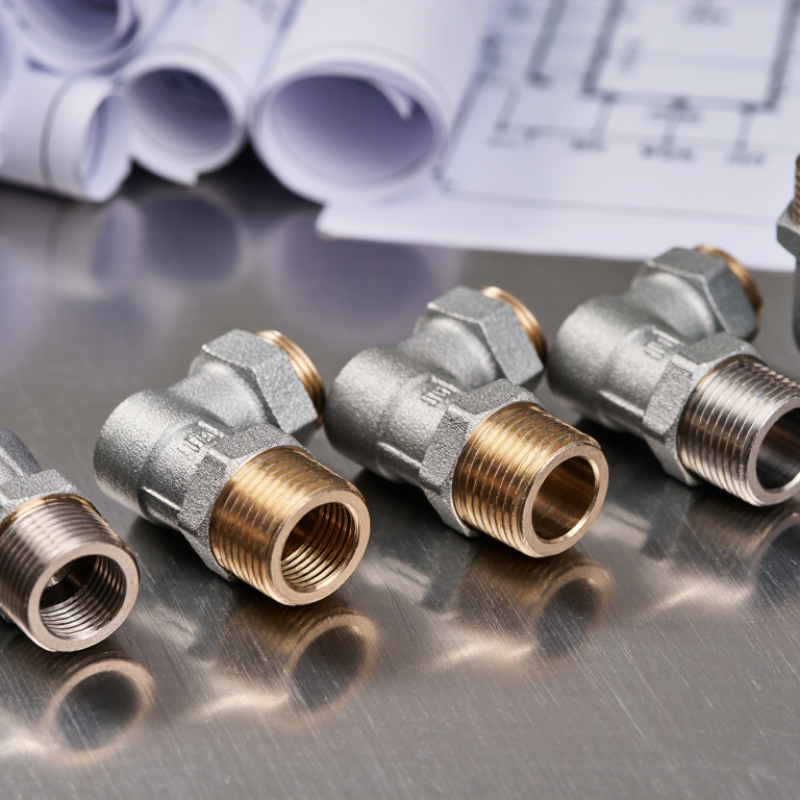
What Hammer Union Elbows Are and Where They Are Used
A hammer union elbow is a pressure-rated pipe fitting that redirects fluid flow while connecting sections of temporary or fixed piping. Its union ends use matching components, a seal, and a nut or winged segment tightened with a hammer. The elbow shape helps route lines around equipment, reduce awkward bends, or connect hoses where space is limited. A practical detail: the fitting must match the adjoining union.
These elbows are used in oilfield operations such as well servicing, cementing, and fluid circulation. Crews may use them to assemble surface lines between pumps, manifolds, and other equipment. Pressure, temperature, fluid type, and connection size all affect which fitting is appropriate. “Looks compatible” is not enough. Check the specified working pressure and confirm the seal and mating components are suitable.
Field conditions can be rough. Mud, vibration, and repeated assembly may wear sealing surfaces or damage threads. Inspect parts before use, and replace components showing cracks, deformation, or leakage. Even careful checks can miss early wear; that deserves honest attention. A suitable elbow supports a reliable connection, but it does not compensate for incorrect installation, incompatible parts, or poor inspection practices.
Hammer union elbows connect flowline sections while changing direction, commonly in oilfield services such as well testing, flowback, and fracturing. The chart shows representative working-pressure ratings for common union figure and nominal-size combinations; actual ratings vary by product design and manufacturer. Confirm the equipment rating before use.
How Hammer Union Elbows Are Designed and Manufactured
Hammer union elbows are designed around pressure, flow direction, and connection compatibility. The elbow body is commonly forged from alloy steel, then heat-treated and machined. A swept 90-degree passage helps limit abrupt flow changes, while accurately machined sealing faces reduce leak paths. The union’s pressure rating, seal style, and size must match the connected equipment. API Spec 6A lists rated working-pressure classes from 2,000 to 20,000 psi for applicable wellhead and tree equipment; this is a useful reference, not automatic certification for every elbow. Details matter.
Manufacturing checks should include material traceability, dimensional inspection, hardness testing, and pressure testing to the product’s specified procedure. For sour-service conditions, material selection may also need to follow ISO 15156/NACE MR0175 guidance. It addresses cracking risks in hydrogen-sulfide environments. One easy-to-miss issue is coating or heat-treatment variation near sealing areas; a perfect-looking surface can still hide a process problem. Inspection records should connect each finished part to its material heat and test results.
Tips: Confirm the working-pressure class and seal profile before installation. Inspect seal faces under clean light; reject dents, corrosion, or raised burrs. Ask for the applicable test standard and traceable material records. Small checks prevent expensive surprises.
Standards and Criteria for Evaluating Manufacturers
A sound evaluation begins with the pressure rating, working temperature, and fluid conditions the hammer union elbow must handle. Check dimensions against the mating union, including seal surfaces and connection size. Small mismatches can cause leaks or costly installation delays. Fit matters. Ask how the manufacturer verifies material grade, heat treatment, and dimensional tolerances. Review documented pressure tests and inspection records, not just a product sheet. Traceability matters. A certificate is useful only when its batch details match the component delivered. Paperwork can look perfect, yet still leave gaps.
Compare quality systems, manufacturing controls, and defect-handling procedures across suppliers. Ask whether inspectors record test results and how rejected parts are separated. Clear answers are a good sign. Also review delivery consistency, spare-part availability, and technical support for field questions. Response time counts. A short conversation can reveal whether engineering staff understand actual service conditions or merely repeat catalogue data. Independent test evidence adds confidence, but it cannot replace checking the exact product configuration. No checklist captures every failure mode. Evaluators should record their assumptions, especially when comparing suppliers with different test methods or documentation.
Top 10 Hammer Union Elbow Manufacturers Worldwide
Top 10 Hammer Union Elbow Manufacturers Worldwide is a useful starting point for buyers comparing suppliers across regions. A credible manufacturer should explain pressure ratings, material grades, connection sizes, and service limits clearly. Ask whether the elbow is forged or cast, and request traceable material records. Small details matter. A mismatched seal or uncertain rating can cause costly downtime. A polished catalogue is useful, but it may leave important questions unanswered.
Tips: Compare like with like. Check that test documents identify the exact product configuration, not just a similar model. Confirm the pressure rating, temperature range, fluid compatibility, and connection size in writing. Ask about inspection procedures and replacement seals, too. These checks help distinguish a capable supplier from one offering only attractive specifications.
When reviewing worldwide manufacturers, look for consistent quality controls, documented pressure testing, and practical technical support. Ask how the supplier manages dimensional tolerances and verifies sealing surfaces; these affect fit and leak resistance. Regional availability may shorten delivery times, though it should not outweigh product evidence. Request references for comparable field conditions, then assess whether those examples match your operating environment. A supplier’s answers should be specific and verifiable. If a rating, test method, or material detail remains vague, pause before comparing prices. The lowest quote can look appealing, but the full cost includes inspection, shipping, spares, and potential downtime.