Top Friction And Wear Tester Solutions in China?
In China's rapidly evolving manufacturing landscape, the importance of precise testing instruments cannot be overstated. The demand for Friction And Wear Tester solutions has surged, driven by stringent quality control measures across various industries, including automotive and aerospace. According to a recent report by Research and Markets, the global friction and wear testing market is expected to grow substantially, reflecting the critical need for reliable testing methodologies.
Friction and wear phenomena significantly impact product durability and performance. Inadequate testing can lead to premature product failure, costing companies significant resources. For example, improper friction testing can result in increased maintenance costs, estimated to reach billions annually in various sectors. Therefore, implementing reliable Friction And Wear Tester solutions is essential for manufacturers striving for excellence.
While many solutions are available, selecting the right equipment can be challenging. Factors such as testing accuracy, versatility, and cost-effectiveness must be considered. Not all testers provide the same reliability, and companies often overlook long-term benefits for short-term savings. This oversight can lead to suboptimal product performance and increased operational risks. Encouragingly, China's commitment to innovation has led to advancements in testing technologies, paving the way for improved quality assurance.
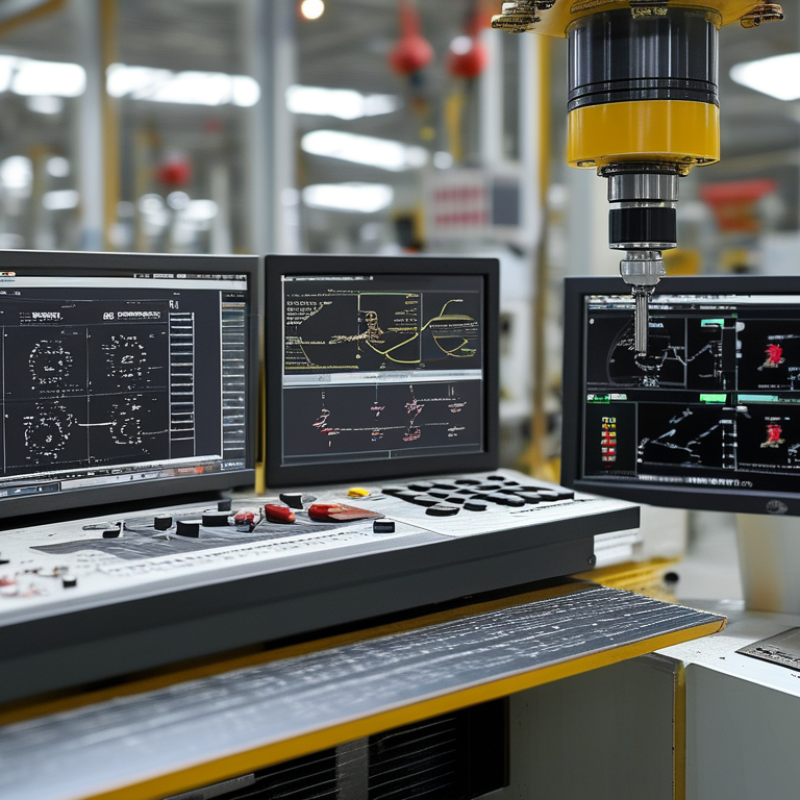
Overview of Friction and Wear Testing in Chinese Industries
Friction and wear testing plays a crucial role in various Chinese industries, particularly in manufacturing and material science. Accurate testing helps assess material performance under different conditions. This evaluation is essential for ensuring product reliability and longevity. The rising demand for high-quality goods has increased the need for effective friction and wear testers.
In China, diverse methods are utilized to simulate wear scenarios. From pin-on-disk to block-on-ring tests, each approach provides unique insights. These tests help identify weaknesses in materials and guide improvements in product design. However, not all industries prioritize advanced testing. This inconsistency can lead to issues with product lifespan and safety.
Moreover, there is a gap in knowledge among some manufacturers. Many lack the proper understanding of testing protocols. This absence of expertise can hinder quality assurance processes. As industries continue to evolve, investing in friction and wear testing solutions becomes essential. Bridging the knowledge gap can enhance competitive advantage and result in better quality products for consumers.
Key Manufacturers of Friction and Wear Testers in China
In the realm of friction and wear testing, several key manufacturers in China stand out. Their expertise has contributed significantly to the advancement of material testing. The industry has a diverse range of suppliers, offering various solutions tailored to specific needs. These manufacturers provide testers that evaluate friction coefficients, wear rates, and durability.
One notable aspect is the increasing emphasis on innovation. Manufacturers are investing in research to develop better testing methods. Unfortunately, some companies still rely on outdated technology, leading to less reliable results. This gap presents an opportunity for improvement in the market, encouraging companies to adopt modern practices.
Quality and reliability are paramount in friction and wear testing. Some manufacturers struggle to meet international standards. This inconsistency affects the credibility of their products. Buyers must scrutinize the specifications and user feedback to ensure they invest in reliable testers. Ultimately, understanding these dynamics can lead to better choices in friction and wear testing solutions.
Top Friction And Wear Tester Solutions in China
Innovative Technologies in Friction and Wear Testing Solutions
Friction and wear testing is essential for evaluating material performance. Innovative technologies enhance these assessments in various sectors. Recent advancements focus on precise measurements and real-time analysis. This helps engineers make informed decisions quickly.
One significant technology is the use of advanced sensors. These devices monitor frictional forces with high accuracy. This data helps in understanding material behavior under different conditions. Another trend is the integration of AI algorithms. They predict wear patterns, leading to proactive maintenance strategies. Yet, implementing these technologies can be challenging. Not every lab has access to such sophisticated tools.
Moreover, the reproducibility of tests remains a concern. Different testers may yield varying results. This inconsistency prompts a need for standardization. Testing environments can also differ, affecting friction and wear outcomes. Addressing these discrepancies is crucial for reliable results. Fine-tuning the testing process is essential to bridge this gap.
Applications of Friction and Wear Testing in Various Sectors
Friction and wear testing plays a crucial role across various industries. Many sectors, including automotive, aerospace, and manufacturing, rely on this testing to enhance product performance. For instance, automotive components undergo rigorous testing to ensure safety and durability. This helps in identifying materials that can withstand extreme conditions.
In aerospace, wear testing assesses components exposed to high speeds and stress. Engineers must ensure reliability to protect passengers and cargo. Friction tests measure how materials behave under specific conditions, enhancing safety protocols. Manufacturing industries also benefit, as testing helps optimize machinery and tools for longer life spans.
Tips: When choosing a tester, consider your specific application. Ensure it can simulate real-world conditions accurately. Regular calibration is essential for consistent results. Validating your testing methods will improve reliability and efficiency.
Future Trends in Friction and Wear Testing Equipment in China
In China, the friction and wear testing equipment market is evolving rapidly. Analysts predict a growth rate of approximately 7.5% in the next five years. This rise reflects the increasing demand from automotive, aerospace, and manufacturing sectors. Enhanced material performance is crucial in these industries, making testing essential for product longevity.
Emerging technologies are likely to shape future trends in this domain. Artificial intelligence and machine learning tools are becoming integral in data analysis. They offer precise insights into friction properties and wear behaviors, allowing manufacturers to optimize materials more effectively. Moreover, increasing focus on eco-friendly materials is prompting researchers to develop more sustainable testing solutions.
However, the industry still faces challenges. Many testing facilities struggle with outdated equipment. Limited budgets can hinder the adoption of advanced technologies. Furthermore, the need for skilled personnel remains a concern. Training and development are critical for keeping pace with technological advancements. The efficacy of testing relies upon constant adaptation and improvement. Embracing these challenges can lead to greater innovation and success in friction and wear testing.