Top CNC Turning Suppliers for Global Procurement 2026?
In the ever-evolving landscape of manufacturing, CNC turning has emerged as a crucial process. As industries seek precision, efficiency, and scalability, the demand for high-quality CNC turning services grows. Companies worldwide are looking for reliable suppliers who can meet their diverse needs. The significance of selecting the right CNC turning supplier cannot be overstated.
Top CNC turning suppliers play a vital role in global procurement strategies. They provide expertise in delivering tailored solutions. Factors such as quality control, technological advancements, and customer service are paramount. A well-chosen supplier can enhance operational efficiency, while a poor choice may lead to delays and increased costs.
As we look toward 2026, understanding the landscape of CNC turning suppliers becomes essential for businesses. The market is competitive, and new players continually emerge. It is important to analyze their capabilities thoughtfully. This will ensure companies select partners that align with their goals and quality standards. While many suppliers show promise, a critical evaluation is necessary to identify the best fit.

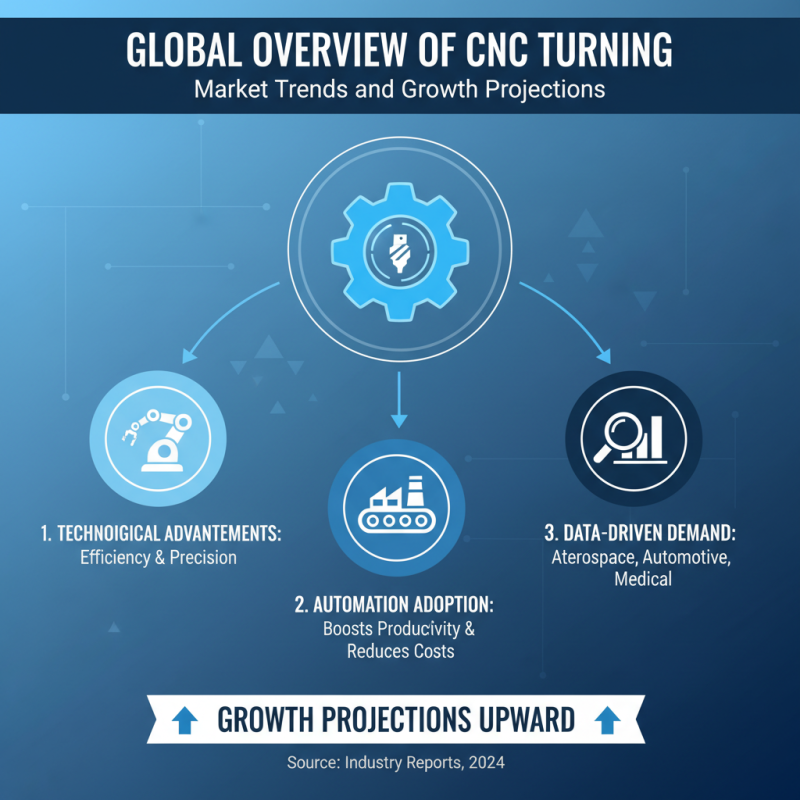
Global Overview of CNC Turning: Market Trends and Growth Projections
The CNC turning market is evolving rapidly. Technological advancements drive efficiency and precision. Manufacturers are increasingly adopting automation. This enhances productivity and reduces operational costs. Data-driven insights indicate a rising demand across various sectors, such as aerospace, automotive, and medical devices.
As companies seek suppliers, quality and reliability become critical. Buyers prioritize partners that invest in advanced machinery. Sustainable practices are also gaining traction. However, not all suppliers meet these requirements. Some struggle with outdated technology or inconsistent quality. This discrepancy highlights the need for thorough research before procurement.
Market projections suggest robust growth for CNC turning. Analysts anticipate a compound annual growth rate (CAGR) of over 5% by 2026. However, challenges remain, such as supply chain disruptions. Companies must adapt to changing market conditions. Addressing these issues will be vital for long-term success in the CNC turning sector.
Key Players in the CNC Turning Supply Industry for 2026
The CNC turning supply industry is evolving rapidly, with key players shaping its landscape. The global market is projected to reach $2 billion by 2026, driven by increasing demand in automotive and aerospace sectors. The introduction of advanced technologies will enhance precision and efficiency in CNC machining.
Leading companies are investing in automation and advanced analytics to improve production processes. Data from industry reports indicates that the adoption of Industry 4.0 will revolutionize CNC turning operations. It optimizes machine performance and reduces downtime significantly. However, the challenge lies in integrating these technologies seamlessly into existing systems.
Tips: Consider diversifying your supplier base. This approach can reduce risk and enhance negotiation power. Continuous training for personnel is also crucial. It ensures that teams keep up with technological advancements. Engaging with sector experts can provide valuable insights into upcoming trends and potential obstacles in the CNC turning market.
Evaluation Criteria for Selecting Top CNC Turning Suppliers
When selecting CNC turning suppliers, evaluation criteria are crucial in ensuring quality and performance. Key factors include the supplier’s technological capabilities. Advanced machinery and automation can enhance precision and efficiency. According to industry reports, suppliers with CNC machines that exceed 5-axis capabilities show a 20% improvement in production speed. This is significant for large-scale projects.
Another critical aspect is the supplier’s experience in the industry. Companies with over ten years in CNC turning typically understand diverse client needs better. A study indicates that experienced suppliers deliver 15% fewer defects. This reliability is vital for maintaining quality across long-term contracts.
Quality certifications should not be overlooked. Suppliers must adhere to ISO standards. Certification often reflects commitment to excellence. However, it can be challenging to verify compliance. Clients should actively seek proof of certifications. Understanding these criteria can foster a collaborative relationship between buyers and suppliers. It encourages ongoing improvement while providing a reliable avenue for global procurement.
Innovations and Technologies Impacting CNC Turning Services
CNC turning is evolving rapidly. Innovations in machine tools are at the forefront of this transformation. Newer CNC lathes now incorporate advanced features such as multi-axis capabilities. This enhances precision and versatility in manufacturing. Automation is becoming commonplace, reducing labor costs and increasing efficiency. Integrating robotics into CNC turning processes allows for continuous production.
Moreover, software advancements are contributing significantly. CAD/CAM systems enable seamless design and manufacturing workflows. Simulation software helps to predict and solve potential issues before production. Data analytics is another emerging trend. Real-time monitoring of machining processes aids in optimizing performance. However, these technologies require skilled operators who can adapt to the changes.
Despite the advancements, challenges remain. Not all turning processes can benefit from automation. Smaller job shops may struggle to invest in expensive technology. Skills gaps in the workforce are also concerning. Ensuring that technicians are adequately trained is critical. The balance between innovation and implementation can be tricky, but necessary for progress in CNC turning services.
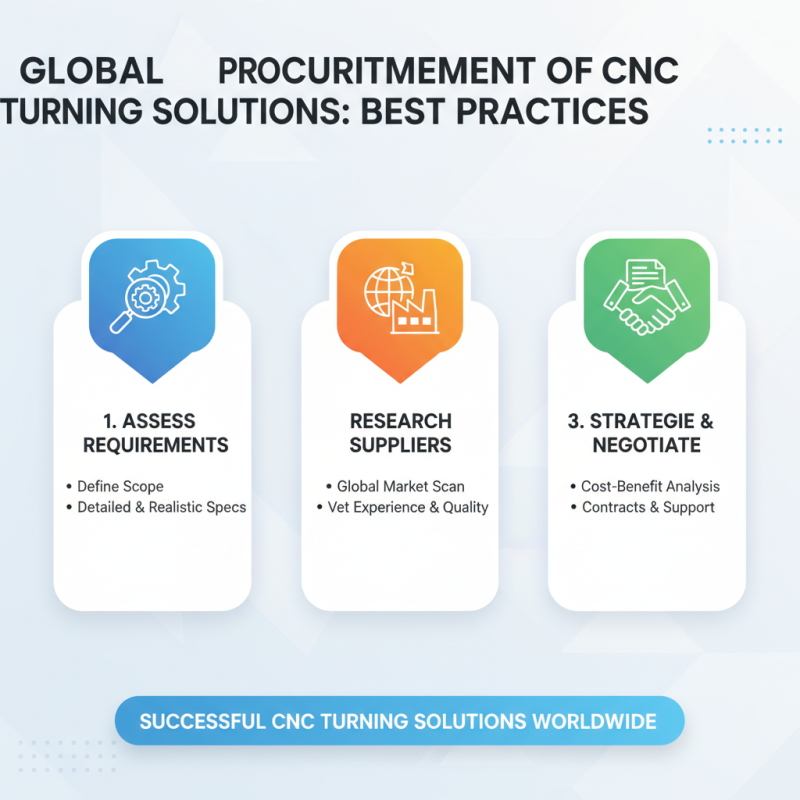
Best Practices for Global Procurement of CNC Turning Solutions
In the ever-evolving world of CNC turning, global procurement can be a challenging journey. Understanding best practices is crucial for success. Start by assessing your specific requirements clearly. Define your project's scope and ensure that your specifications are not only detailed but also realistic. This helps suppliers understand your needs better.
Tips: Regular communication with potential suppliers fosters understanding. This avoids confusion and enhances the procurement process.
Next, research potential suppliers thoroughly. Look for suppliers with a strong track record and relevant expertise. Verify their certifications and ask for case studies. Their past performance can provide insight into their reliability. Not every supplier will meet your expectations, so it’s essential to be discerning.
Tips: Create a checklist to compare suppliers objectively. This can reveal weaknesses and strengths that may not be immediately evident.
Finally, consider logistics and delivery times in your procurement strategy. Delays can affect your project timeline. It's vital to discuss these aspects upfront with suppliers to avoid pitfalls later on. Keep in mind that flexibility in negotiations can lead to better terms, but ensure that quality is never compromised.