Tips for Maintaining Rotating Machines for Optimal Performance?
Rotating Machines play a critical role in various industries, from manufacturing to energy production. According to a report by the International Electrotechnical Commission, improperly maintained rotating machines can lead to a staggering 30% increase in operational costs. This highlights the importance of regular maintenance practices.
James Anderson, a renowned expert in rotating machinery, once stated, "Preventive maintenance is not an option; it's a necessity." His emphasis underscores the potential risks of neglecting these machines. Proper care can significantly enhance their lifespan and efficiency, reducing unexpected failures.
Many facilities struggle to implement effective maintenance strategies. They often overlook routine inspections or fail to adjust operating conditions based on equipment performance. This can lead to inefficiencies and unplanned downtime. An in-depth approach to maintaining rotating machines is essential to optimizing their function and increasing overall productivity in the industry.
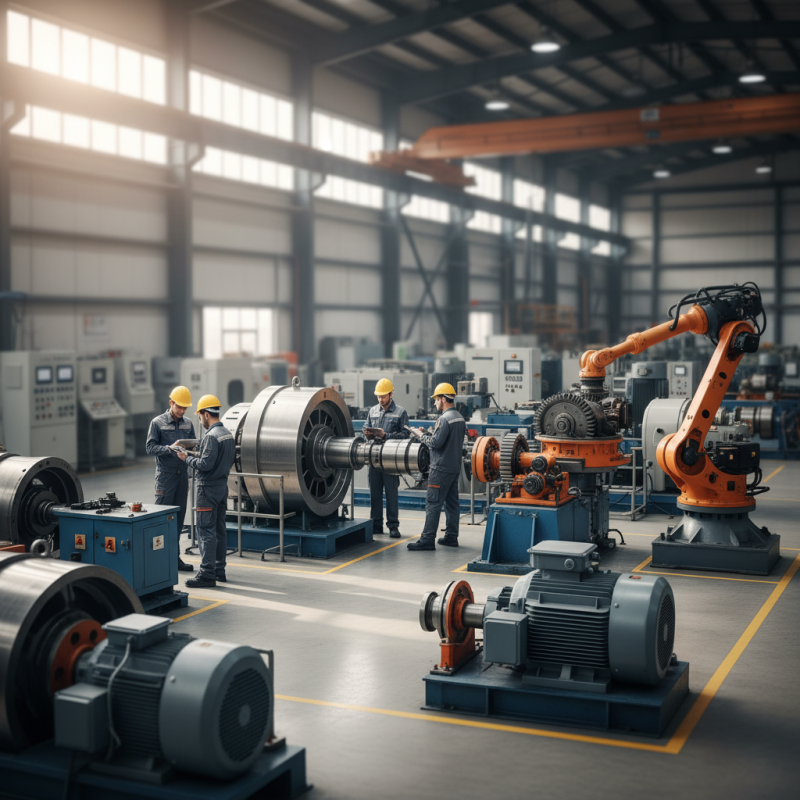
Importance of Regular Maintenance for Rotating Machines
Regular maintenance of rotating machines is essential for optimal performance. According to the International Journal of Advanced Manufacturing Technology, effective maintenance can reduce unplanned downtime by up to 30%. This data underscores its importance in various industries, such as manufacturing, energy, and transportation.
Neglecting maintenance can lead to significant issues. Bearings can fail without proper lubrication. This can result in catastrophic breakdowns. The Machinery Failure Prevention Technology (MFPT) reports that nearly 42% of machinery failures are caused by poor maintenance practices. Regularly scheduled inspections can identify wear and tear early on. In addition, monitoring vibration and temperature can provide critical insights into the machine's condition.
Operators must always stay vigilant. Dependence on automated systems alone is a mistake. Human oversight is crucial in recognizing abnormal patterns. Evidence shows that integrating routine checks can increase machinery lifespan significantly. While technology aids maintenance, neglecting manual checks can foster complacency. An ideal approach combines both technology and human intuition, fostering a proactive maintenance culture.
Common Issues in Rotating Machines and Their Preventive Measures
Rotating machines are crucial in various industries, yet they face common issues that can hinder performance. One major problem is excessive vibration. According to the Machinery Failure Prevention Technology program, about 50% of mechanical failures are related to vibration. This issue often stems from misalignment or imbalance. Regular alignment checks and dynamic balancing can mitigate these risks. Keeping a close eye on vibration levels can save businesses significantly in downtime and repair costs.
Another frequent challenge is overheating. The International Journal of Engineering Research highlights that overheating can reduce machine life by up to 30%. Overheating often occurs due to poor lubrication or blocked cooling systems. Regular maintenance of lubrication systems, along with periodic inspections of cooling mechanisms, is vital to prevent this issue. It's also important to address any abnormal temperature readings immediately. Ignoring small anomalies can lead to severe breakdowns down the line.
Routine inspections are essential, yet often overlooked. Many companies conduct maintenance only when issues arise, often leading to larger failures. Data from the Reliability Centered Maintenance (RCM) indicates that proactive maintenance can cut lifecycle costs by 20%. Small steps, like monitoring unusual noises or checking performance metrics, can go a long way. Consistency in maintenance practices is key to ensuring machinery runs effectively over time.
Tips for Maintaining Rotating Machines for Optimal Performance
| Issue | Causes | Preventive Measures | Frequency of Maintenance |
| Vibration | Misalignment, imbalance, bearing failure | Regular alignment checks, balancing, and inspections | Monthly |
| Overheating | Inadequate lubrication, dirt buildup, environmental factors | Proper lubrication schedules, regular cleaning | Weekly |
| Wear and Tear | Continuous operation, lack of maintenance | Scheduled inspections and timely replacement of parts | Quarterly |
| Lubrication Failure | Incorrect lubricant, clogged filters | Use correct lubricants, routine checks of filters | Monthly |
| Contamination | Dust, moisture intrusion | Use of seals and filters, regular cleaning | Bi-annually |
Key Components to Monitor in Rotating Machinery
Monitoring key components in rotating machinery is essential for optimal performance. Bearings are critical. They support the rotating elements and bear friction. Regular checks for wear and lubrication can prevent costly failures. Listen for unusual noises. A grinding sound might indicate impending issues.
Next, focus on the alignment of shafts. Misalignment can cause excessive wear. This can lead to inevitable breakdowns. Use laser alignment tools for accuracy. Vibration analysis is another invaluable technique. High vibration levels often signal trouble. Implement routine checks to catch these changes early.
Lastly, temperature monitoring is crucial. Overheating can damage components. Equip machines with sensors to track temperature trends. It’s also important to remain observant. Sometimes, signs of trouble can be subtle. Regular training for staff can improve awareness. Unattended machines can lead to unexpected downtime. Keeping an eye on these factors can greatly enhance performance.
Best Practices for Lubrication and Cooling in Rotating Equipment
Lubrication is a crucial aspect of maintaining rotating machines. Proper lubrication reduces friction, wear, and heat. According to a report by the American Society of Mechanical Engineers, inadequate lubrication accounts for nearly 30% of equipment failures in industrial settings. Regularly checking lubricants can prevent costly downtime.
Cooling systems also play a vital role in equipment performance. A study from the International Journal of Thermal Sciences reveals that machines operating at higher temperatures can experience a 40% reduction in lifespan. Implementing an effective cooling strategy can mitigate this risk. Inadequate cooling could lead to overheating, resulting in severe damage.
Routine inspections and careful monitoring of lubrication and cooling systems are essential. Many operators overlook these areas, leading to performance issues. Real-time condition monitoring can help identify potential problems early. Staying proactive rather than reactive can save significant costs and keep machines running efficiently.
Scheduling Maintenance: Developing an Effective Routine for Rotating Machines
Scheduling maintenance for rotating machines is crucial for their longevity. A structured routine can enhance their efficiency and reduce unexpected failures. Start by assessing the specific needs of each machine. Consider factors like usage intensity and operating conditions. Document these factors to create a baseline for maintenance frequency.
Develop a weekly or monthly checklist. This list might include inspections of bearings and lubrication levels. Regularly checking for vibrations can also help. Sudden changes in vibration patterns often signal deeper issues. It’s not just about following guidelines; being attentive to subtle changes makes a difference.
Reflect on past maintenance challenges. Were there times when maintenance was overlooked? Use these lessons to improve future practices. Sometimes the most efficient routine needs adjustment. Don’t be afraid to refine your approach based on real-world experiences. Prioritize creating a culture where every employee understands their role in supporting machine upkeep.
Maintenance Schedule for Rotating Machines