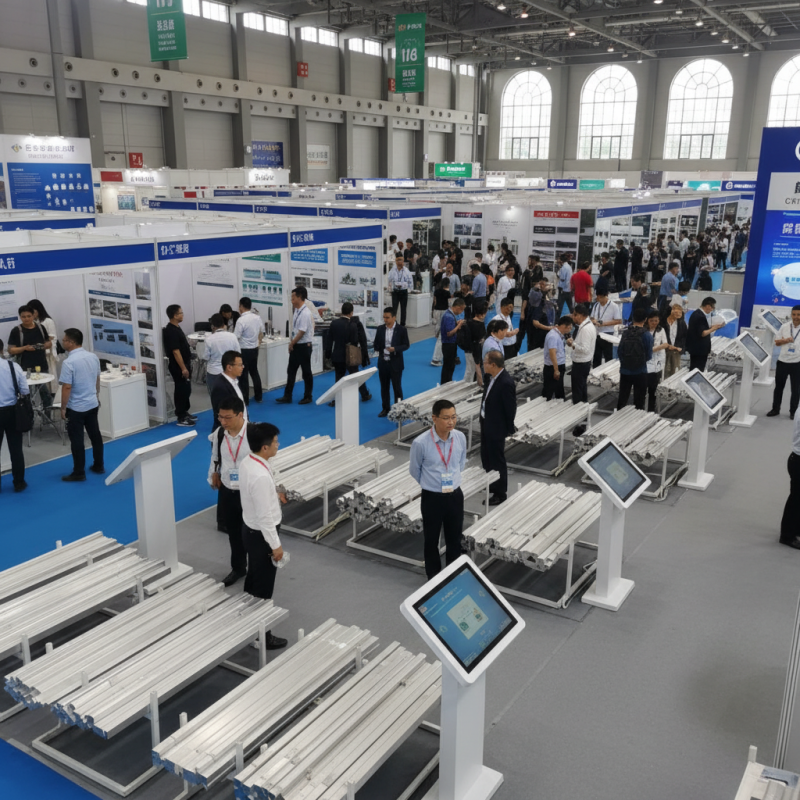
How to Source Aluminum Bars at the 139th Canton Fair?
Finding the right Aluminum Bar suppliers can be a challenging task at the 139th Canton Fair. This event is crucial for discovering manufacturers and quality products in various sectors. With over 1.55 million square meters of exhibition space, navigating this massive venue can be overwhelming.
At the fair, you'll find both large and small suppliers. Some may lack certifications like ISO or CE. This is where the fair’s AI features come into play. This smart technology helps you locate certified suppliers efficiently. It can also guide you through the expansive exhibition halls, minimizing wasted time.
However, challenges still exist. Not all suppliers will meet your expectations. You might encounter language barriers or misunderstandings. It’s vital to remain flexible and patient. Having a clear idea of what you need will help, but be prepared to adapt as you explore the fair’s offerings.
Understanding the Importance of Aluminum Bars in Various Industries
Aluminum bars play a crucial role across multiple industries. Their lightweight nature and resistance to corrosion make them invaluable in construction, automotive, and aerospace sectors. Whether for structural components or performance parts, aluminum bars offer versatility. Many manufacturers rely on these bars to create reliable products efficiently.
When sourcing aluminum bars at the the 139th Canton Fair, consider the specific needs of your industry. Understanding the right specifications is vital. Have a clear idea of the dimensions, grades, and finishes you need. This helps narrow down potential suppliers. Look for businesses that can meet quality standards.
Here’s a tip: don’t rush into deals. Take time to compare several suppliers. Check their product quality and pricing. It’s easy to get overwhelmed at such a large fair, but careful evaluation is essential. Another helpful hint is to ask for samples. It's a straightforward way to assess quality prior to making a bulk order. Be prepared to adjust your expectations based on what you find. You might discover that some suppliers can offer better options than initially thought.
Key Trends in Aluminum Demand and Supply at the Canton Fair
The aluminum market is currently experiencing notable shifts in demand and supply. According to a recent report by the International Aluminum Institute, global demand for aluminum is projected to grow at an annual rate of 3% through 2025. This growth is fueled largely by the automotive and construction industries, which increasingly rely on lightweight materials for energy efficiency. In particular, the demand for aluminum bars is expected to rise due to their applications in structural components.
At the 139th Canton Fair, sourcing aluminum bars requires attention to emerging trends. Many suppliers are emphasizing sustainability in their production processes. A survey indicated that 58% of manufacturers are adopting eco-friendly practices. However, the challenge remains in balancing cost-effectiveness with these sustainable approaches. Buyers must be aware of fluctuating prices, which can be impacted by geopolitical factors. Additionally, fluctuating bauxite prices impact aluminum production rates, further complicating supply chains.
Navigating this landscape means understanding the fine details. Buyers should inquire about the sourcing methods and traceability of materials, as this can impact both pricing and sustainability. Transparency in supply chains is becoming paramount. Engaging with suppliers at the fair can offer insights into their production techniques along with potential risks. Being informed is key to making educated purchasing decisions.
Identifying Reliable Suppliers of Aluminum Bars at Trade Fairs
When sourcing aluminum bars at the 139th Canton Fair, reliability is key. You can find many suppliers, but not all are trustworthy. Look for companies with a solid track record. Explore their booths, and observe how they communicate with visitors. This interaction can reveal their professionalism.
Tips: Approach suppliers who display certifications. Ask for product samples, but be mindful of their response time. A genuine supplier will quickly provide samples and information. Also, focus on their production capabilities. Smaller suppliers might not meet your quantity needs.
Engage in conversations with other buyers. They often share insights about suppliers you might consider. Beware of flashy presentations; a reputable supplier does not need grand displays. Authenticity shines through word of mouth. Always verify the information given to you. Reflect on your findings and question if a supplier's claims match reality.
Evaluating Quality Standards and Certifications for Aluminum Products
When sourcing aluminum bars at the 139th Canton Fair, understanding quality standards is critical. Many suppliers showcase their products, but not all meet the required certifications. Look for bars that adhere to international standards like ISO and ASTM. These certifications indicate that the aluminum bars have undergone rigorous testing.
Take the time to inspect the pieces closely. Check for surface defects like scratches or discoloration. These imperfections can compromise the material's integrity. Gauge the weight and feel of the bars too. A lightweight bar may signal lower quality. Discuss production tolerances with potential suppliers. Are they consistent? This detail can reveal their manufacturing processes.
Visiting the fair means you can ask questions directly. Inquire about the chemical composition of the aluminum. The right mix ensures strength and durability. However, not every supplier will readily provide this information. Some might need convincing. It’s essential to follow up with potential suppliers after the fair. Verify their claims through additional research or third-party inspections. This diligence can prevent costly mistakes in the future.
Aluminum Bars Quality Standards and Certifications
This bar chart represents the number of suppliers meeting various quality standards and certifications for aluminum bars sourced from the 139th Canton Fair. The certifications evaluated include ISO 9001, ASTM B221, EN 573, RoHS, and REACH, indicating the diversity of quality assurance in the aluminum products market.
Negotiation Strategies for Sourcing Aluminum Bars at Canton Fair
Negotiating effectively at the 139th Canton Fair is crucial for sourcing aluminum bars. Start by understanding the market prices. Research online prior to the fair. This knowledge gives you leverage during discussions. Be prepared to discuss quantities and material specifications. Clarity in your requirements minimizes confusion.
Observe the booths and assess the suppliers. Some may represent multiple manufacturers. Not all suppliers are equal. Engage them in conversations about their products. Ask about their sourcing methods. You might discover differences in quality and pricing. These insights can inform your negotiation tactics. Don't hesitate to ask for samples. Many suppliers may be willing to provide them.
While negotiating, remain flexible yet firm. It's important to prioritize your needs. However, some suppliers may not budge on price. Reflect on how much compromise you're willing to make. Consider the essential factors like delivery times and payment terms. Your goal is to strike a balance. It's an art that requires practice and patience. Remember, negotiation is a two-way street.