What is a Machining Center and How Does It Work?
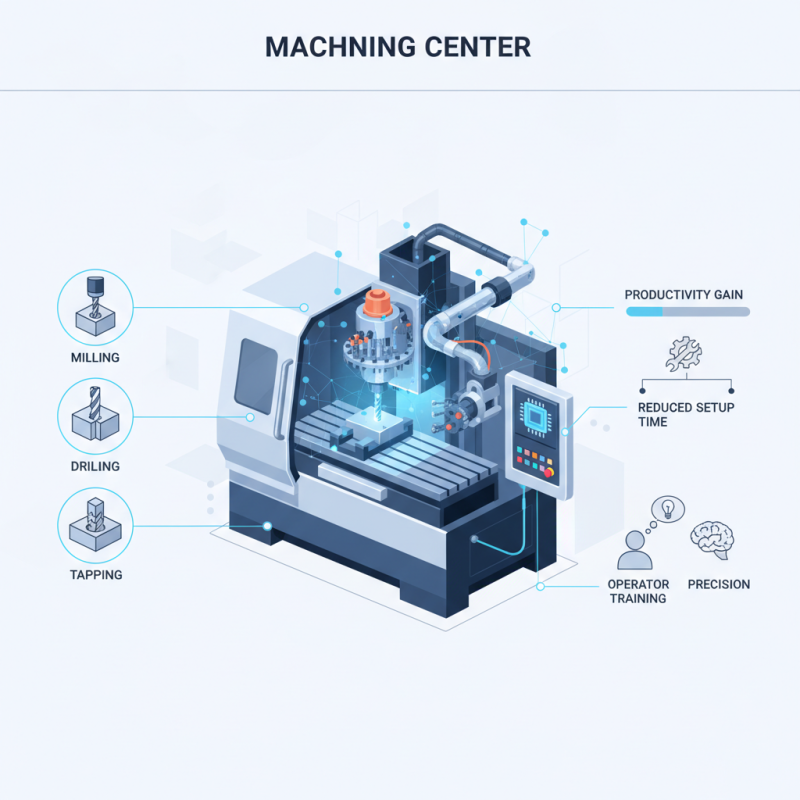
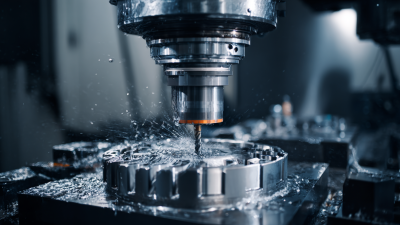
A machining center is a versatile tool in modern manufacturing. It combines multiple functions into one machine, enhancing productivity. Machining centers can perform tasks like milling, drilling, and tapping. These capabilities reduce setup time and the need for multiple machines.
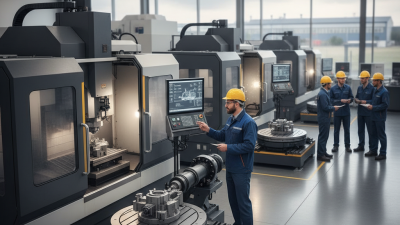
Inside a machining center, a computer controls the movements. This increases precision and consistency in production. Operators can program various operations with ease. However, mastering the technology can take time. Not every operator can achieve optimal results right away. Missteps can occur during programming or handling materials.
Overall, the machining center represents a leap in manufacturing efficiency. Yet, it demands careful training and attention. Mistakes can arise in complicated setups. Continuous learning and adaptation are key for success in utilizing these advanced machines effectively.
What is a Machining Center?
A machining center is a versatile tool used in manufacturing. It integrates several operations into one machine. This can include milling, drilling, and tapping. By doing multiple tasks, it saves time and increases efficiency. The flexibility it offers is quite valuable in modern machining environments.
The core of a machining center is its CNC (computer numerical control) system. This system allows precise control over the machine's movements. Operators can input complex designs and the center executes them with accuracy. However, programming errors can lead to mistakes. Rigorous checks are essential to avoid costly errors during production.
Machining centers are usually equipped with tool changers. This feature allows quick transitions between tasks. The speed of this operation is impressive. Yet, maintaining the tools can be challenging, requiring regular inspections and replacements. Operators must constantly evaluate the machine's performance to ensure quality outcomes.
Key Components of a Machining Center
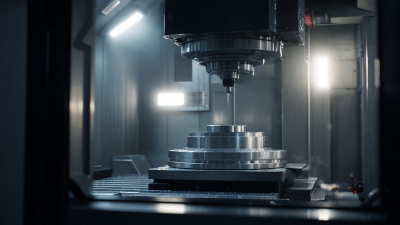
Machining centers are essential in modern manufacturing. Their key components define how effectively they operate. A machining center typically includes a spindle, a tool holder, and an automatic tool changer. The spindle spins at high speeds. This rotation is vital for cutting materials.
The tool holder secures various cutting tools. It allows rapid changes during operation, boosting productivity. Reports suggest that advanced tool changers can decrease idle time by up to 50%. Monitoring these components ensures optimal performance, yet many facilities overlook routine maintenance. Neglecting upkeep can lead to costly downtime.
Additionally, the control system is crucial. It guides the machining processes. Many centers now use computer numerical control (CNC) systems. These systems enhance precision and repeatability. While they offer efficiency, operators must be skilled in programming. A lack of training can result in errors and subpar production quality. Investing in personnel development is as vital as upgrading technology.
The Operational Process of a Machining Center
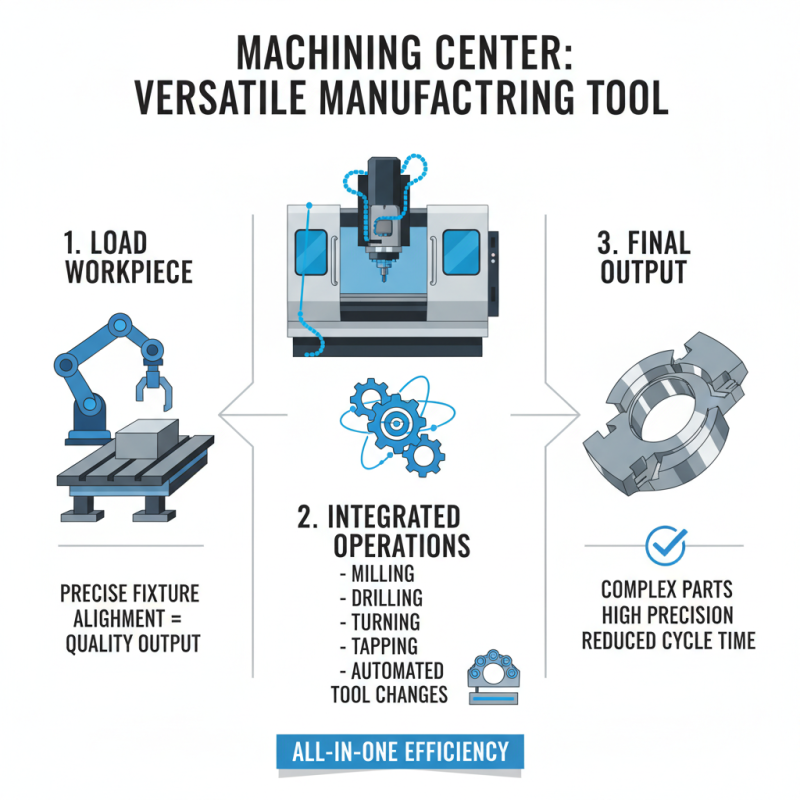
A machining center is a versatile tool commonly used in manufacturing. It combines various machining operations into one machine. The operational process begins with loading a workpiece into the machine. This process is crucial because precise fixture alignment can greatly affect the final output.
Once the workpiece is secured, the machine operator selects the appropriate program. Most modern machining centers use CNC technology. According to industry reports, over 65% of machining operations in North America now employ CNC methods. This technology improves precision but may also lead to over-reliance on automated processes.
As the machine begins its operation, it executes a sequence of machining tasks. These may include milling, drilling, or tapping. The machining center cycles through these steps based on the programmed instructions. However, this approach isn’t foolproof. Errors can stem from tool wear or incorrect setup parameters. Continuous training and feedback loops are necessary for operators to adapt. A significant portion of machining downtime is often attributed to setup issues, highlighting an area for improvement in workflows.
Types of Machining Centers and Their Applications
Machining centers are vital in modern manufacturing. These machines can perform multiple functions, such as milling, drilling, and tapping. Each type serves specific needs in various applications.
Vertical machining centers (VMC) are widely used. They excel in precision work and can handle intricate designs. Their vertical spindle orientation makes them perfect for smaller parts. Horizontal machining centers (HMC) have a different advantage. They allow for faster production rates and larger workpieces.
Tips: Choose the right machining center based on your project requirements. Not every type suits all tasks. Consider factors like material type and component size. Pay attention to setup time; it can affect overall efficiency.
Another important type is multi-tasking machining centers. These machines combine turning and milling capabilities. They reduce the need for multiple setups. Ideal for complex components, they maximize productivity. However, they can be more challenging to operate. Operators need specialized training.
Tips: Invest in operator training. Understanding the machine's functions is crucial. A well-trained operator makes a significant difference in production quality. Regular maintenance is also essential. Neglecting it could lead to costly downtime and repairs.
What is a Machining Center and How Does It Work? - Types of Machining Centers and Their Applications
| Type of Machining Center |
Description |
Applications |
| Vertical Machining Center |
Uses a vertically oriented spindle and is suitable for small to medium-sized parts. |
Precision machining of metal parts, mold making, and production of high-precision components. |
| Horizontal Machining Center |
Features a horizontal spindle, allowing for better chip removal and machining of complex shapes. |
Heavy machining applications, aerospace components, and automotive parts. |
| 5-Axis Machining Center |
Allows independent movement of the tool along five axes for complex geometries. |
Aerospace, medical devices, and intricate mold and die work. |
| CNC Machining Center |
Computer Numerical Control allows for high levels of precision and automation in machining. |
Electronics, automotive industry, and high-volume production runs. |
Benefits of Using Machining Centers in Manufacturing
Machining centers are versatile machines that combine multiple CNC functions. They can perform drilling, milling, and turning tasks all in one setup. This multifunctionality leads to significant efficiency in manufacturing processes. For example, a single machining center can complete complex parts without needing multiple machines. This saves time and reduces the chance of errors from transferring parts between machines.
One major benefit is reduced setup time. Traditional machining often requires changing tools and fixtures frequently. With a machining center, the transitions between operations are smoother. Manufacturers can also achieve higher precision with fewer manual interventions. This precision is crucial in industries like aerospace and automotive. However, the initial investment can be high, and not every facility may need such advanced machinery.
Another aspect to consider is the skill level of operators. While machining centers are user-friendly, they still require training. Some workers may find it challenging to adapt. Ongoing training is essential to maximize the benefits. If teams are not properly skilled, potential gains in efficiency may not be realized. Balancing investment and skill development is a critical consideration for adopting machining centers in manufacturing environments.