Blog

How to Choose the Best Tea Sorting Machine?

Choosing a Tea Sorting Machine is not just a matter of comparing price tags. The right model should match your tea type, daily output, and quality targets. A small producer handling delicate green tea may need different settings from a factory sorting large volumes of black tea. Leaf shape, color variation, moisture, and dust can all affect sorting results.

Start by checking what the machine can detect and how consistently it separates acceptable leaves from stems, damaged pieces, or foreign material. Ask suppliers for sample tests using your own tea, not only demonstration samples. Watch the feed rate, rejection accuracy, and the quality of the sorted tea. A fast line is not necessarily a good line. Small errors can become visible in the final batch.

Practical details matter, too. Consider cleaning access, operator training, spare parts, and the space needed around the equipment. Request clear information about service support and expected maintenance. If possible, speak with users processing a similar tea grade. Their experience may reveal issues that a brochure leaves out. No machine removes every judgment call. Even a well-adjusted system may need periodic checks as leaf conditions change. Leave room for testing, and be cautious about promises that sound too perfect.
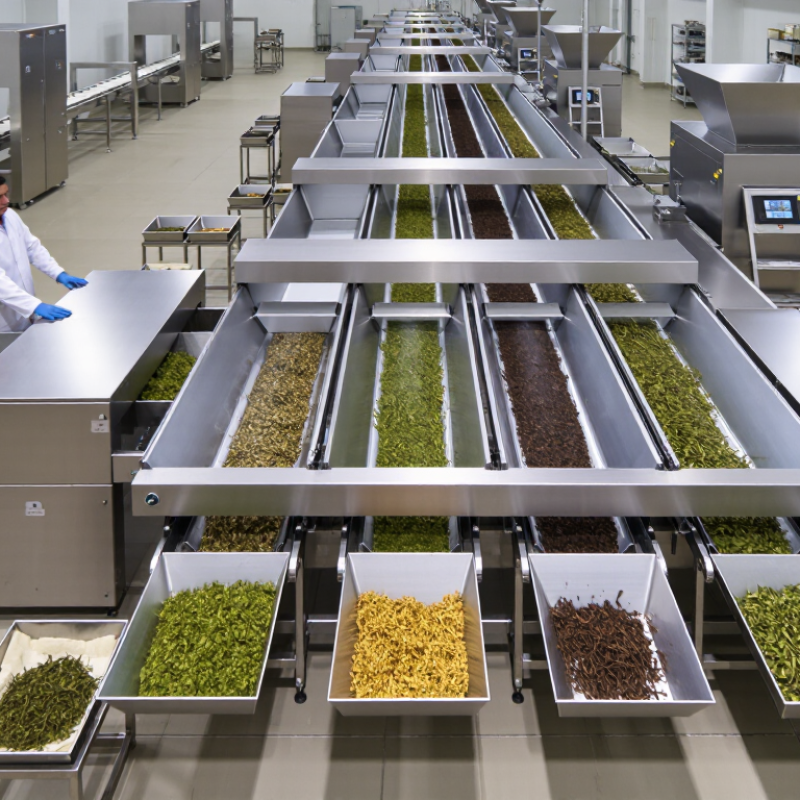
How to Choose the Best Tea Sorting Machine?

Determine the Sorting Goals and Quality Standards

Choosing a tea sorting machine starts with a clear sorting goal, not a catalog feature. Do you need to remove stems, yellow leaves, foreign particles, or unevenly shaped tea? Each target requires different detection sensitivity and conveyor settings. In production trials, I record the defect type, size, color, and acceptable quantity. Small details matter. A machine may look impressive but still miss pale fragments under changing light.

Quality standards should be measurable before equipment is evaluated. Set limits for impurity rate, broken-leaf loss, sorting accuracy, throughput, and moisture-related performance. Use representative samples from several harvest batches. One clean sample can create false confidence. Ask operators to test dusty, curled, and mixed-grade tea. Their observations often reveal feeding problems that laboratory data misses. Independent inspection records and repeatable test methods make equipment claims easier to verify.

Match the machine’s results with your market requirements and internal grading rules. For premium tea, protecting leaf shape may matter more than maximum speed. For bulk tea, stable throughput may carry greater value. Keep before-and-after samples in sealed, labeled containers. This supports traceability and later calibration. I would also examine cleaning access, adjustment time, and training needs. These practical issues affect quality every shift. No machine is perfect. A thoughtful evaluation should document failures, not hide them. If results change after humidity or lighting shifts, the standard may need refinement too.

Identify Tea Types, Grades, and Common Defects

Choosing a tea sorting machine starts with the product, not the machine catalogue. Green tea may require separation by color, curl, and broken leaf content. Black tea often needs control of leaf size, stalks, pale particles, and uneven oxidation. Oolong and white tea can contain delicate whole leaves that need gentler handling. Dark tea may require attention to foreign material and inconsistent surface color. These differences matter. Grade is not a universal visual rule. Buyers should define acceptable size, color, cleanliness, and leaf integrity before testing equipment.

Common defects include stems, coarse fibers, stones, plastic fragments, burnt particles, and excessive dust. Mold-like discoloration needs careful inspection and laboratory confirmation, not color sorting alone. A practical trial uses representative samples from several harvest days. Ask the supplier to measure removal accuracy, good product loss, throughput, and repeatability. Record results by defect type. A machine that removes 98% of stalks may also discard valuable leaves. That trade-off is easy to miss.

Select sensors based on the defect. RGB cameras suit visible color and shape differences. Near-infrared systems may help with certain material differences, but results depend on moisture and calibration. Air pressure, channel design, and inspection width affect fragile leaves. In my experience, dusty tea can reduce camera stability within hours without effective cleaning. Request simple calibration procedures, accessible data, and operator training. Do not trust a perfect factory demonstration. Real tea varies more. Recheck performance after seasonal changes, because a setting that works in spring may fail during a humid harvest.

Compare Sorting Technologies and Machine Features

Choosing a tea sorting machine starts with the defects you need to remove. Vibrating screens separate leaves by size, while optical systems use cameras to detect color and shape differences. Near-infrared sensors can help distinguish materials with similar appearances. X-ray inspection may identify dense foreign objects, but it can add cost and complexity. The right choice depends on your tea grade, leaf moisture, and acceptable rejection rate.

FAOSTAT reports about 6.7 million tonnes of tea production worldwide in 2022, making consistent quality control important across large processing volumes. The FAO’s 2019 food-loss report estimated that 14% of food was lost between harvest and retail; this figure is not tea-specific, but it highlights the value of reducing avoidable process losses. Compare machines using your own leaf samples, not only advertised throughput. Small details matter. Check whether the feed system spreads leaves evenly, and whether dust or curled leaves affect detection. Ask for measured sorting accuracy and reject rates under realistic operating conditions.

Inspect the practical features, too: adjustable lighting, simple calibration, accessible cameras, and readily available replacement parts. A powerful sensor cannot compensate for uneven feeding. Nor does a high stated capacity guarantee clean output. I would test several batches, including fine fragments and mixed grades, then inspect both accepted leaves and rejects. One point is easy to overlook: sorting settings may need adjustment when leaf size or moisture changes.

How to Choose the Best Tea Sorting Machine? - Compare Sorting Technologies and Machine Features

The best choice depends on the tea type, defect profile, required grade, and production conditions. Performance and capacity vary by machine configuration, leaf size, feed consistency, and material moisture; confirm specifications with representative product samples.

Sorting technology How it works Best suited for Key advantages Limitations and considerations Features to compare
Vibrating sieve or screening machine Separates tea by particle size using decks with different mesh openings and controlled vibration. Separating tea into size grades, removing fines, and screening stems or oversized pieces when their dimensions differ from the product. Simple operating principle; useful for continuous size grading; can process a range of dry, free-flowing tea products. Does not reliably distinguish particles of similar size but different color, shape, or material. Mesh openings can clog, particularly with damp or sticky product. Number of decks, mesh sizes, vibration adjustment, screen access for cleaning, dust control, and compatibility with the product’s particle size.
Camera-based color sorter Optical cameras detect color differences as product passes through the sorting zone; an ejection system removes selected particles. Removing visibly discolored leaves, stems, or foreign material that contrasts with the acceptable tea. Can make rapid, consistent decisions on visible color differences; sorting settings can often be adjusted for different batches. Performance depends on contrast, even product presentation, and clean viewing windows. Similar-colored defects may be difficult to separate. Camera resolution, lighting and background, channel count, sensitivity adjustment, ejection accuracy, and access to optical components for cleaning.
Shape and size vision sorter Image-processing software evaluates visible particle characteristics such as outline, dimensions, and shape; some systems combine these measurements with color sorting. Separating particles with distinguishable shapes or dimensions, such as certain stems and leaf pieces, when they are presented consistently. Can assess more than color alone and may help separate visually distinct product forms. Overlapping particles, curled leaves, variable orientation, and inconsistent feeding can affect detection. Shape classification depends on the chosen settings and sample variation. Image-processing capability, camera views, feed distribution, adjustable classification settings, recipe storage, and test results using actual tea.
Near-infrared (NIR) or spectral sorting Measures reflected light at selected wavelengths to identify spectral differences that may not be apparent from visible color alone. Applications where target and acceptable material have measurable spectral differences, subject to validation for the specific tea and defect. May detect certain material differences beyond ordinary visible-color contrast; can be integrated with other sensing methods. Results depend on the target material, calibration, surface condition, and sensor setup. It should not be assumed to identify every chemical or quality difference. Wavelength range, calibration method, recipe management, sensor-cleaning requirements, and demonstrated detection results on representative samples.
Combined multi-sensor sorter Uses two or more sensing approaches—such as color cameras, shape analysis, or spectral sensing—with configured ejection controls. Products with multiple defect types that cannot be addressed effectively by one sensing method alone. Can target different visible or measurable characteristics in one line; may reduce the need for separate sorting stages. Higher system complexity and potential cost; more settings, calibration, and maintenance may be required. Added sensors do not guarantee better results for every product. Available sensor combinations, independent adjustment, integration with existing equipment, changeover time, service access, and sample-based acceptance testing.
Metal detector or magnetic separator (auxiliary equipment) A metal detector senses certain metal contamination, while a magnetic separator captures suitable ferrous particles; neither is a general tea-grade sorter. Additional control of metal contamination as part of a processing or packaging line. Provides a focused control step for specific metal risks and can complement screening or optical sorting. Does not remove non-metallic foreign material or grade tea by leaf quality. Detection capability depends on equipment design, product effect, and installation. Installation point, product aperture, reject arrangement, test procedures, cleaning access, and suitability for the relevant product and line.

Match Sorting Capacity and Accuracy to Production Needs

How to Choose the Best Tea Sorting Machine?

Tea production is growing, but capacity alone does not define a suitable sorting machine. FAOSTAT data shows that global tea production exceeded 6.5 million tonnes in 2022. This scale creates pressure on processors to reduce labor, stabilize quality, and protect valuable leaf grades. Match the machine’s hourly capacity with your real production flow, not an advertised maximum. A line processing 800 kilograms per hour may need a sorter rated above that level. Otherwise, small stoppages can create a serious bottleneck.

Accuracy must reflect the product and the defect risk. Modern optical sorters can identify differences in color, shape, size, and foreign material. However, “99% accuracy” needs careful testing. Ask how the figure was measured, using which tea grade, moisture level, and defect concentration. In practical trials, request samples from your own factory. A sorter that performs well on dry black tea may struggle with curled green leaves or uneven moisture. Small details matter.

Check the rejection rate, product loss, cleaning time, and operator training requirements. The International Tea Committee’s annual production reports show how diverse tea grades and processing conditions remain across markets. This variation makes universal machine claims questionable. I have seen buyers focus on speed, then discover excessive good-leaf rejection. Faster is not always better. Review trial data, maintenance records, and performance after several shifts. Leave some capacity reserve, but do not pay for unused throughput.

Evaluate Installation, Maintenance, and Operating Costs

A tea sorting machine can look affordable on a quotation sheet, yet installation changes the real cost. Measure doorway widths, floor strength, power supply, and dust-control needs before ordering. A narrow access route may require extra handling or a different layout. Small details matter. Ask whether setup, calibration, operator training, and trial runs are included. Then request a written breakdown, not one bundled figure. That makes competing offers easier to compare.

Maintenance deserves the same attention as purchase price. Check how often belts, lamps, sensors, and air filters need inspection or replacement. Ask what routine work your staff can do and which repairs require a technician. Include spare-parts costs and service response times in the budget. Downtime during harvest can cost more than a modest component. Electricity and compressed-air use affect daily costs, so compare them at your expected throughput, not the machine’s maximum rating. Run a sample batch using your own tea, and record output, rejected-leaf rate, and energy use. Results may vary. Even careful estimates miss something, so leave room for unexpected repairs and revisit the figures after the first season.

How to Choose the Best Tea Sorting Machine?

Compare installation, maintenance, and operating cost burdens before choosing a machine. Lower scores indicate a lower expected burden.

The chart uses an illustrative 1–5 screening scale, not quoted prices or a universal benchmark. Actual costs depend on capacity, site preparation, labor, energy prices, and service availability. Request itemized installation and maintenance estimates, then compare operating costs over the same period.

↑