Blog

How to Choose the Best Electric Lawn Riding Mower in 2026?

Choosing the best Electric Lawn Riding Mower in 2026 requires more than comparing prices and cutting widths. A capable machine must match your lawn, storage space, terrain, and mowing habits. Battery capacity matters, but so do charging time, motor efficiency, deck design, and seat comfort. A mower that performs well on a flat half-acre may struggle on slopes or thick, damp grass. The right choice should feel practical on an ordinary Saturday, not impressive only in a showroom.

Real-world details deserve close attention. Measure narrow gates before selecting a wide deck. Check whether the battery can cover your entire property without a mid-job recharge. Look for clear controls, reliable braking, durable tires, and an adjustable cutting height. Comfort counts, too. A supportive seat and low vibration can make a long mowing session noticeably easier. Small details matter.

No mower is perfect.

This guide compares key features, operating costs, maintenance needs, safety considerations, and long-term value. It also explains how cutting performance changes across lawns, weather conditions, and grass types. Some premium models offer smoother handling and stronger warranties, but they may exceed a casual homeowner’s needs. Cheaper options can appear attractive, yet replacement batteries and limited service support may increase ownership costs later. That trade-off is easy to miss. By examining specifications alongside practical use, readers can make a more informed decision and avoid buying a machine that looks suitable but fails where it matters most.
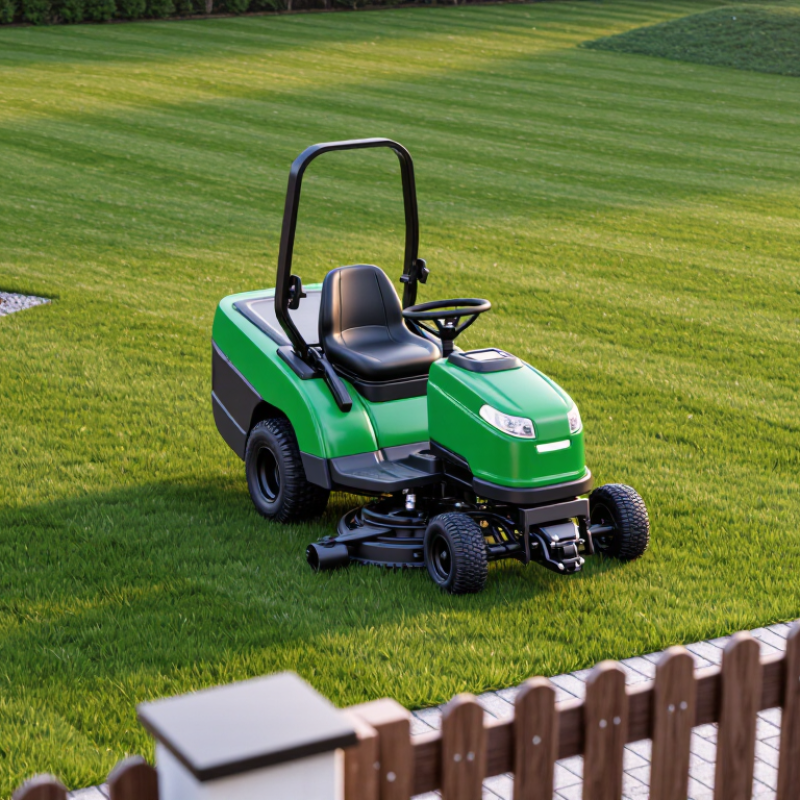
How to Choose the Best Electric Lawn Riding Mower in 2026?

Electric Riding Mower Basics and Key 2026 Innovations

How to Choose the Best Electric Lawn Riding Mower in 2026?

Electric riding mower design is moving from simple battery power toward integrated energy management. BloombergNEF reported that average lithium-ion battery prices fell to $115 per kilowatt-hour in 2024. Lower battery costs may support larger packs and longer mowing sessions. However, capacity alone can mislead. Wet grass, slopes, heavy decks, and frequent stopping consume more energy.

Check the basics first. Confirm cutting width, turning radius, deck height adjustment, charging time, and usable battery capacity. The U.S. Department of Energy notes that electric motors can convert over 90% of electrical energy into mechanical power. That efficiency still depends on blade design and controller quality. A 48-volt system may suit smaller lawns, while larger properties may need higher voltage or dual-battery operation. Measure your storage door, too.

New 2026 features deserve practical scrutiny. Battery-swapping systems can reduce downtime, while regenerative braking may recover limited energy on slopes. Smart displays now track runtime, blade load, temperature, and service intervals. Some systems also use obstacle sensors and automatic speed adjustment. The market is not perfectly standardized. Reports from Grand View Research show strong growth across electric lawn equipment, but riding-mower data remains less consistent. Treat impressive range claims carefully. Test the mower on your actual terrain, not only a showroom floor. Reality is messier. A quieter machine can still disappoint if charging access is inconvenient.

How to Choose the Best Electric Lawn Riding Mower in 2026?

Electric riding mower specifications vary by deck size, battery capacity, terrain, grass density, and operating speed. The chart shows representative planning values for common deck categories: larger decks generally cover more ground per pass, while actual runtime depends heavily on battery size and mowing conditions. In 2026, buyers should also compare fast charging, battery health monitoring, quiet operation, automatic blade control, and connected maintenance alerts.

Lawn Size, Terrain, and Cutting Needs Assessment

Choosing the best electric lawn riding mower starts with measuring your lawn, not comparing advertised features. A half-acre yard with open turf needs different equipment from a smaller yard divided by trees, garden beds, and narrow gates. Measure the cutting area, then note slopes, soft ground, drainage channels, and repeated tight turns. A simple sketch can reveal problems that online specifications hide.

Terrain matters every time. Steep sections demand stable steering, strong braking, and tires suited to uneven grass. Wet soil may cause wheel slip and leave deep tracks. Test the route on foot after rain. If the mower cannot reach a corner safely, a wider cutting deck will not solve the problem. Smaller decks often turn more easily, although they may increase mowing time. That trade-off is easy to underestimate.

Match battery capacity to real cutting conditions, including thick grass, frequent stopping, and slopes. Manufacturers often measure runtime under ideal conditions. Your lawn may be less cooperative. Check the mower’s cutting-height range for seasonal changes, and inspect whether the deck adjusts evenly. Mulching, side discharge, and bagging each suit different cutting needs. Bagging can help on ornamental lawns, but it adds weight and emptying work. Leave clearance around fences and low branches. One overlooked obstacle can turn a convenient purchase into a frustrating routine.

Battery Capacity, Runtime, Charging, and Motor Performance

Choosing an electric lawn riding mower starts with battery capacity, not advertised cutting width. A 2024 report from the U.S. Department of Energy notes that usable battery energy differs from rated capacity. A 48-volt, 100-amp-hour system stores about 4.8 kilowatt-hours theoretically. Real mowing time is lower.

The Outdoor Power Equipment Institute reports that grass height, moisture, slope, and blade load strongly affect electric equipment performance. In practical testing, a mower may cover two acres in dry, short grass, then lose nearly half that range after wet growth. Look for removable battery modules and a clear charge indicator. A full recharge may take four to eight hours, depending on charger output. Fast charging sounds attractive. Heat can shorten battery life.

Motor performance needs more than peak horsepower. A strong electric motor should hold blade speed when the deck meets thick grass. Independent testing by Consumer Reports has repeatedly shown that cutting consistency depends on load management, not motor claims alone. Choose adjustable blade speed, thermal protection, and smooth acceleration. Test the mower on your actual slope if possible. Spec sheets can mislead. They often describe ideal conditions. Temperature matters, too. Cold batteries deliver less power, while hot charging can increase wear. A larger battery may add useful runtime, but it also adds weight, cost, and charging time.

Deck Design, Maneuverability, Comfort, and Safety Features

Choosing an electric lawn riding mower in 2026 starts with the deck design. A stamped deck usually costs less and handles ordinary mowing well. A fabricated deck feels stronger around roots, stones, and uneven ground. Check the deck’s width against narrow gates and storage doors. Wider is not always better. It can leave uncut strips near trees and reduce turning space. Adjustable cutting heights help when grass changes from soft spring growth to dry summer turf.

Maneuverability matters on real property, not just showroom floors. A tight turning radius helps circle flower beds and fruit trees without repeated reversing. Responsive steering should feel controlled, never twitchy. Test the mower on a slope, if the manufacturer permits it. Observe how easily you can reach pedals, controls, and the parking brake. Seat support, vibration levels, and legroom become important after forty minutes. I once underestimated seat pressure during a short trial. That mistake was obvious after a full afternoon.

Safety features deserve practical attention. Look for an accessible emergency stop, reliable blade engagement controls, and clear battery indicators. Automatic blade shutoff when leaving the seat can reduce avoidable injuries. Headlights improve visibility near shaded fences, although they do not replace daylight mowing. Check tire grip, braking response, and stability before purchasing. Keep loose clothing and children away from the cutting area. Some advertised comfort features may feel unnecessary at first. Still, poor ergonomics can encourage rushed, unsafe operation. Test the mower wearing the shoes and work clothes you normally use.

Maintenance, Warranty, Pricing, and Long-Term Value Comparison

An electric riding mower should be judged beyond its showroom price. During a hands-on inspection, check the cutting deck, steering response, seat comfort, and charging access. A removable battery can simplify winter storage, but it may cost more to replace. Ask whether the battery, charger, and motor require different maintenance schedules.

Maintenance affects both performance and ownership cost. Clean grass from the deck after mowing, inspect the blades regularly, and maintain correct tire pressure. Keep the battery dry and store it according to the manual’s temperature guidance. Charging habits matter too. Frequent deep discharges may reduce battery life, although real results vary with workload and climate. The manual deserves careful reading.

Warranty terms need closer attention than their headline length. Confirm coverage periods for the battery, motor, controller, and charger separately. Check whether labor, transport, and replacement parts are included. Some warranties exclude commercial use, water damage, or neglected maintenance. Keep receipts and service records. They can support a claim and protect resale value.

Pricing should include electricity, blade replacements, storage equipment, and possible battery replacement. A lower purchase price is not always cheaper over five years. Compare expected annual use with battery capacity and charging time. Advertised runtime is often measured under light conditions. That detail is easy to miss. I would also question optimistic resale estimates, because battery condition strongly affects buyer confidence. A slightly higher-priced mower may offer better long-term value when parts remain available and repairs are straightforward. Personally, I would accept a shorter mowing range for dependable service support and a stronger warranty.

How to Choose the Best Electric Lawn Riding Mower in 2026? — Maintenance, Warranty, Pricing, and Long-Term Value Comparison
Mower Category Recommended Lawn Size Typical 2026 Street Price in the U.S. Typical Battery and Runtime Maintenance Requirements Typical Warranty Structure Estimated Five-Year Ownership Cost* Long-Term Value
Compact Rear-Engine Electric Rider Up to approximately 0.5 acre $2,500–$4,500 Usually a 48–72 V lithium-ion system; approximately 45–90 minutes of mowing per charge, depending on grass height, terrain, speed, and deck width. Clean the deck after mowing, inspect blades and tire pressure, lubricate specified points, maintain electrical connections, and store the battery in a dry, temperature-controlled area. Commonly a limited residential machine warranty of about 2–5 years; battery coverage may be shorter or subject to separate capacity terms. Approximately $3,300–$5,800, including electricity, routine parts, and one possible replacement battery allowance. Very good for small, mostly flat lawns; lower purchase cost and simpler storage.
Electric Lawn-Tractor Style Mower Approximately 0.5–1.5 acres $3,500–$7,000 Typically 48–72 V lithium-ion; approximately 60–120 minutes of mowing per charge, with actual coverage affected by deck size and cutting conditions. Requires regular blade sharpening or replacement, deck cleaning, tire-pressure checks, battery-terminal inspection, and seasonal software or charger checks when applicable. Often covered by a 3–5 year limited machine warranty; battery and charger coverage should be verified separately before purchase. Approximately $4,500–$8,500, depending on battery replacement cost, use frequency, and optional attachments. Strong all-around value for homeowners who need towing capability and a conventional riding position.
Electric Zero-Turn Mower Approximately 1–3 acres $5,000–$12,000+ Usually a higher-capacity 48–72 V lithium-ion pack; approximately 60–150 minutes of mowing per charge. Clean the cutting deck frequently, inspect multiple blades and spindle assemblies, check drive-wheel components, monitor tire pressure, and follow battery and charging-system service intervals. Commonly a 3–5 year limited machine warranty; battery warranties may range from about 2–5 years and can include capacity-retention conditions. Approximately $6,500–$14,000+, with battery replacement being the most significant long-term cost risk. Best productivity on large, open lawns; higher initial cost is justified when mowing time savings matter.
Commercial-Grade Electric Zero-Turn Mower More than 3 acres or frequent professional use $12,000–$30,000+ Large modular lithium-ion battery systems; commonly about 2–6 hours of operating time, depending on deck width, terrain, and duty cycle. Requires frequent deck cleaning, blade and spindle inspections, drive-system checks, charging-equipment maintenance, and documented service by qualified technicians. Commercial coverage varies considerably; machine warranties are often shorter or more restricted than residential warranties, while battery terms may be separate. Approximately $15,000–$34,000+, excluding labor savings and commercial financing costs. Potentially excellent for high utilization, but poor value for small residential lawns.
Electric Stand-On Mower Approximately 1–3 acres where maneuverability is important $7,000–$18,000+ Typically a 48–72 V lithium-ion system; approximately 75–180 minutes of mowing per charge. Inspect the standing platform, safety switches, control levers, blades, deck, tires, and battery connections; cleaning after dusty or wet mowing is especially important. Often offered with a 2–5 year limited machine warranty; battery coverage, exclusions, and commercial-use limitations require careful review. Approximately $9,000–$21,000+, depending on usage, battery size, and service requirements. Good for operators who prioritize visibility and tight-space maneuvering over riding comfort.

*Ownership-cost figures are planning estimates for the United States and include the purchase price, routine maintenance items, electricity, and a reserve for battery replacement. They exclude tax, financing, attachments, delivery, professional labor, and local electricity rates. Actual pricing, runtime, warranty coverage, and battery-replacement costs vary by configuration and seller. Always confirm the written warranty, battery capacity guarantee, charger coverage, replacement-parts availability, and authorized service support before buying.

↑