2026 How to Choose the Best DC Solar Submersible Pump?
Choosing the right DC Solar Submersible Pump can be challenging. With numerous options available, it’s vital to understand your specific needs. These pumps are designed for various applications, such as irrigation and water supply. Each unique need calls for a different set of features.
When selecting a DC Solar Submersible Pump, consider factors like power output and depth capabilities. Not all pumps perform the same under varying conditions. It's important to research brands and read user reviews to gauge reliability. Purchasing a pump that does not suit your needs may result in wasted resources and frustration.
Finally, don’t overlook the importance of manufacturer support. Choosing a pump with good customer service ensures you can get assistance when needed. Reflect on your requirements carefully to avoid future regrets. This consideration will help you choose a reliable and efficient DC Solar Submersible Pump for your situation.
Understanding the Basics of DC Solar Submersible Pumps
DC solar submersible pumps have gained popularity for various applications. They are efficient and environmentally friendly. Understanding how these pumps work is essential for making informed decisions.
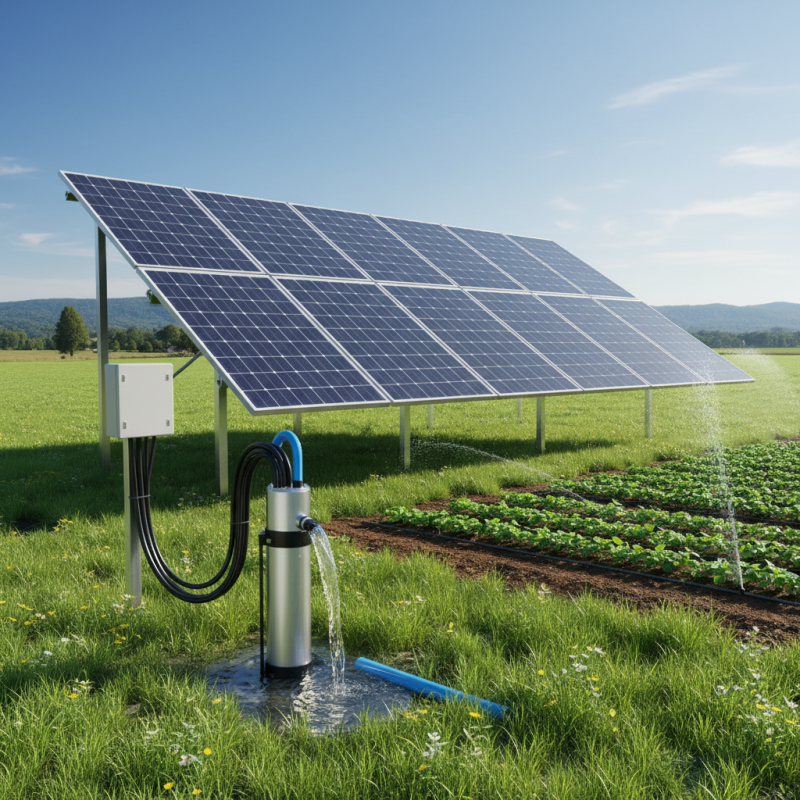
A DC solar submersible pump operates using direct current, harnessing energy from solar panels. This mechanism allows them to work effectively in remote areas without access to the power grid. These pumps are submerged in water sources and create a suction that brings water to the surface.
Efficiency varies by model and environmental conditions. Keep in mind that installation and maintenance can be challenging. Factors like water quality and pump placement affect performance significantly.
Not all DC submersible pumps have the same specifications. Consider flow rate, power consumption, and head height while selecting one. Some users overlook these details and face operational issues later. It's important to research and consult experts when possible. Make sure you know your specific needs before making a choice. Doing thorough research can save time and resources down the road.
Key Factors to Consider When Choosing a DC Solar Submersible Pump
Choosing the right DC solar submersible pump requires careful consideration of several key factors. Power efficiency is crucial. According to the International Renewable Energy Agency, efficient pumps use up to 30% less energy. Look for pumps that combine high flow rates with low power consumption. This balance ensures optimal resource management, especially in remote areas where energy is limited.
Another important factor is the materials used in the pump's construction. Durable, corrosion-resistant materials extend the lifespan. Pumps made from stainless steel or high-grade thermoplastics resist harsh environmental conditions. Review documents from the American Society of Civil Engineers, which emphasize durability as a vital pump selection criterion.
Tip: Always assess your specific application needs. Different setups often require unique configurations. For instance, agricultural irrigation systems have distinct requirements compared to residential water supply. Examine local conditions, such as temperature and water salinity, when making your choice.
While selecting a pump, also consider the ease of installation and maintenance. Complicated systems can lead to increased downtime and costs. A user-friendly design allows for quicker repairs, minimizing interruptions. Therefore, always read product reviews and assess user satisfaction.
Finding the right DC solar submersible pump is rarely straightforward. Reflect on previously overlooked factors, such as warranty and service support. These aspects can greatly influence long-term satisfaction and efficiency.
Comparing Different Types of DC Solar Submersible Pumps
When selecting a DC solar submersible pump, understanding the different types available is crucial. The two primary categories are centrifugal and positive displacement pumps. Centrifugal pumps are cost-effective and efficient for moving large volumes of water. They work well in stable water conditions. However, they can struggle with high viscosity fluids. Positive displacement pumps are better for varying water levels and higher pressure needs. They offer a consistent flow rate. Yet, they may require more maintenance.
Performance criteria matter too. Look for factors like flow rate, head pressure, and efficiency ratings. Many pumps have specific applications, which can lead to confusion. Users often overlook these details, risking inadequate performance.
It's also essential to evaluate power requirements. Some pumps operate well in low light, while others do not. Consider your solar panel setup. If the panel cannot keep up, the pump might not work efficiently. Sometimes, people mix different components, leading to suboptimal results. Each pump type has unique advantages and limitations. Balance your needs carefully. This creates a more reliable system tailored to your environment.
Evaluating Pump Performance and Efficiency Ratings
When selecting a DC solar submersible pump, performance and efficiency ratings are crucial. These metrics help ensure that the pump operates effectively in varying conditions. According to the Solar Energy Industries Association, well-rated pumps can increase energy efficiency by 20-30%. This means lower operational costs over time.
Efficiency ratings often include flow rate and head lift. A pump with a higher flow rate can deliver more water, while head lift measures how high the pump can push water. For instance, a pump that lifts water 50 meters at 1,200 liters per hour shows solid performance. However, it’s essential to consider the specific requirements of your application to match pump capabilities.
Analyses reveal that even minor discrepancies in pump design can lead to efficiency losses. A study highlighted by the International Water Management Institute noted that up to 15% of energy can be wasted through poor system design. Proper analysis of these factors will lead to better decision-making when choosing the right solar pump. Potential buyers should assess these elements to avoid inefficiencies and unresolved issues in the field.
2026 How to Choose the Best DC Solar Submersible Pump? - Evaluating Pump Performance and Efficiency Ratings
| Pump Model | Max Flow Rate (GPM) | Power Consumption (W) | Efficiency Rating (%) | Operating Depth (ft) |
| Model A | 20 | 150 | 85 | 100 |
| Model B | 25 | 200 | 90 | 150 |
| Model C | 15 | 120 | 80 | 80 |
| Model D | 30 | 250 | 92 | 200 |
Tips for Installation and Maintenance of DC Solar Submersible Pumps
When it comes to DC solar submersible pumps, installation and maintenance are crucial for optimal performance. Begin by selecting a suitable location for your pump. Ensure the depth aligns with the water source. This can avoid unnecessary complications. You need to use proper fittings when connecting the pump to the piping. Avoiding leaks will save water and energy.
Regular maintenance is vital. Check the solar panels periodically. Clean them from dust and debris to enhance efficiency. Inspect the wiring for any signs of wear. A small issue can lead to larger problems. It may require more work down the line. Additionally, monitor the pump's operation. Unusual sounds or decreased performance could indicate a problem.
Don’t neglect the importance of local environmental factors. Water quality affects pump longevity. If the water is too sandy or contains debris, consider a filtration system. This investment can prolong the pump's life. Keep notes on your maintenance tasks. This habit sharpens your awareness of potential issues. With time, you'll build a reliable routine.