Why Horizontal Machining Centers Are Essential for Modern Manufacturing Success
In today’s fast-paced manufacturing landscape, the adoption of advanced machinery is not merely an option but a necessity.
Horizontal machining centers (HMCs) have emerged as a pivotal technology that drives efficiency, precision, and productivity on the factory floor.
As noted by industry expert Dr. Emily Chen, a leading authority in machining technology,
“The horizontal machining center enables manufacturers to achieve complex geometries and enhanced operational output that were previously unimaginable.”
This sentiment underscores the fundamental role that HMCs play in modern manufacturing strategies.
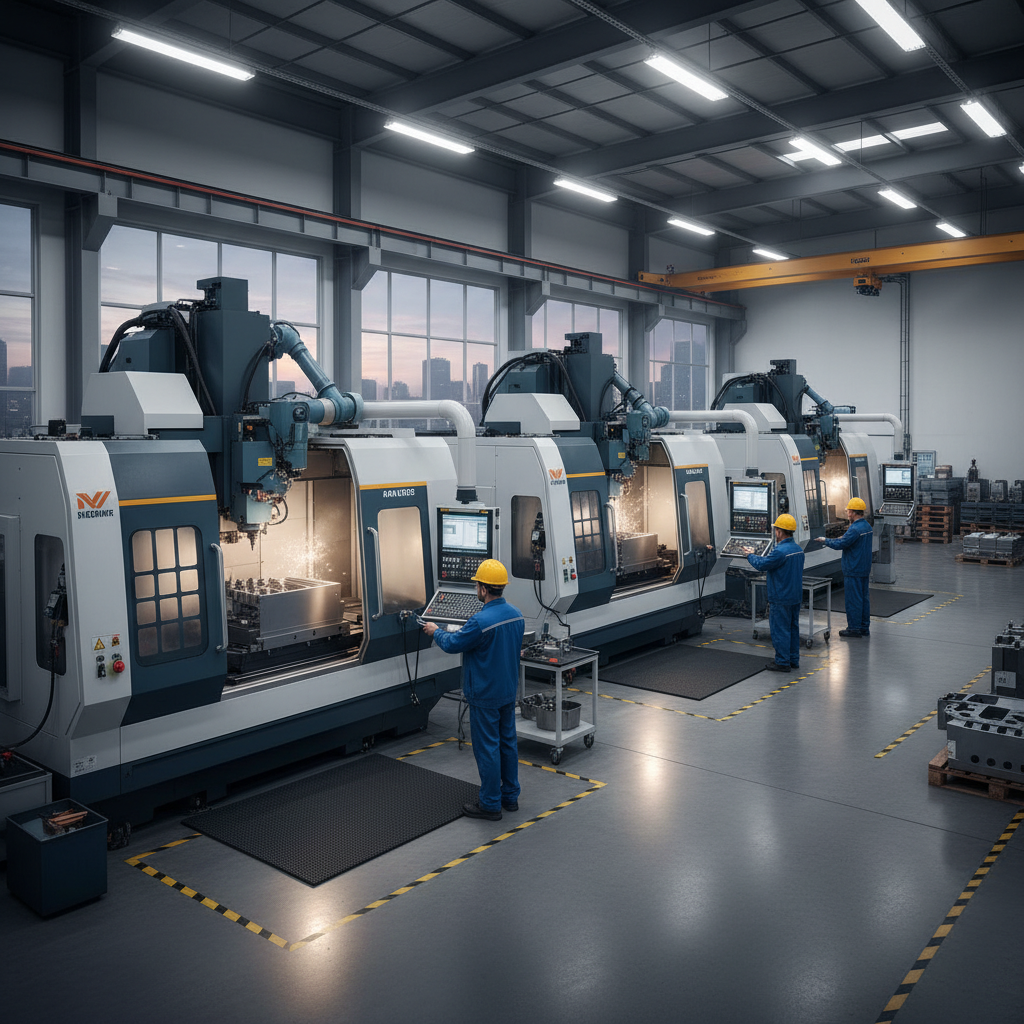
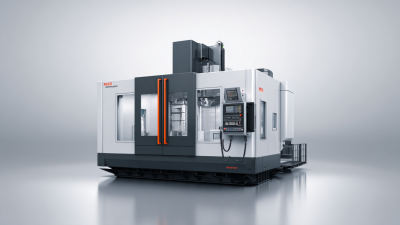
Horizontal machining centers are designed to handle a variety of tasks ranging from milling to drilling with a level of precision that traditional machines simply cannot match.
Their ability to accommodate larger workpieces and perform multiple operations in a single setup significantly reduces cycle times and increases throughput.
Moreover, the growing demand for customized production solutions highlights the versatility and adaptability of HMCs, making them indispensable in the quest for operational excellence.
As manufacturers face the challenges of competitive pricing and rapid technological advancements, leveraging horizontal machining centers becomes crucial.
Their integration into existing workflows not only enhances productivity but also positions manufacturers to respond swiftly to market demands.
With the continuous evolution of manufacturing processes, investing in HMC technology is clearly a strategic move for businesses aiming for sustained success in the industry.
The Evolution of Horizontal Machining Centers in Manufacturing
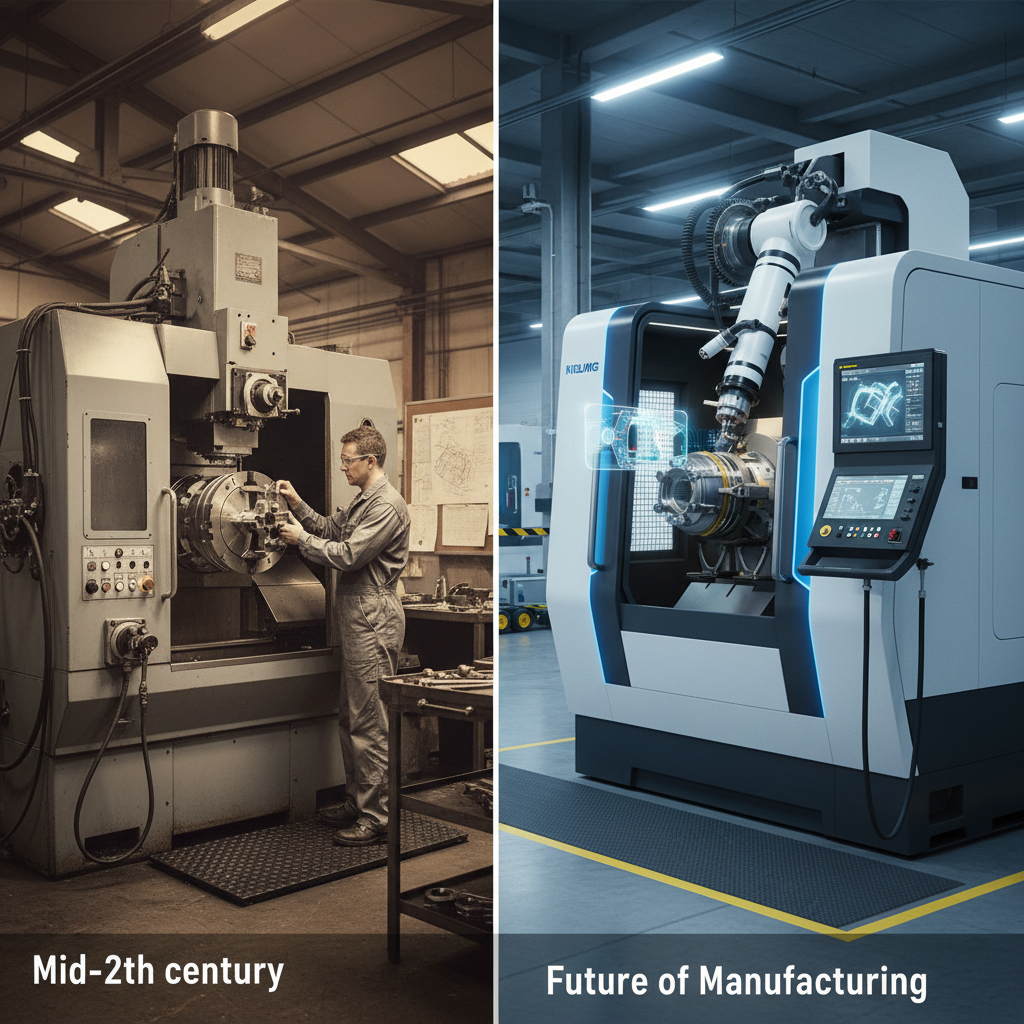
The evolution of horizontal machining centers (HMCs) in manufacturing has transformed the landscape of production efficiency and accuracy. Initially developed in the mid-20th century, HMCs allowed manufacturers to achieve higher precision in machining complex parts, which significantly reduced production time. According to a report by MarketsandMarkets, the global market for horizontal machining centers is expected to grow from $4.2 billion in 2020 to $5.8 billion by 2025, indicating that manufacturers are increasingly recognizing the value of these advanced tools.
As technology has progressed, modern horizontal machining centers have integrated features such as multi-axis capabilities and advanced automation, leading to improved productivity. A study by Technavio revealed that incorporating Automated Guided Vehicles (AGVs) with HMCs can increase operational efficiency by up to 30%. This integration highlights the importance of HMCs in not just machining but within the broader context of manufacturing systems. The rise of smart manufacturing practices has further cemented the role of HMCs, with manufacturers leveraging real-time data and analytics to optimize processes and reduce downtime.
Key Advantages of Horizontal Machining in Today's Competitive Landscape
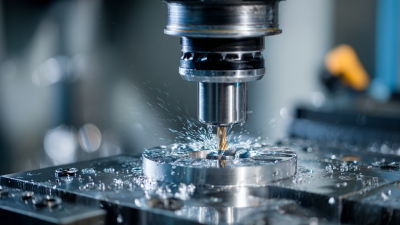
Horizontal machining centers (HMCs) have become a cornerstone of modern manufacturing, offering significant advantages in the competitive landscape. One of the key benefits is their ability to handle larger workpieces with greater stability and precision. The horizontal orientation allows for better chip removal, reducing the risk of tool wear and maintaining consistent part quality. This efficiency not only shortens production cycles but also minimizes downtime, which is crucial for meeting tight deadlines.
**Tip:** Consider integrating multi-axis capabilities when selecting an HMC. This can enhance your machining flexibility, allowing you to tackle complex geometries without needing to reposition the workpiece frequently.
Another significant advantage of HMCs is their effective use of automation. Many models are designed to accommodate robotic systems, enabling lights-out manufacturing and continuous operation. This is increasingly vital as manufacturers strive to reduce labor costs while maximizing throughput.
**Tip:** Invest in smart technology that provides real-time performance analytics, enabling you to make informed decisions about maintenance and production adjustments. This proactive approach can help you stay ahead of potential issues and improve overall efficiency.
Why Horizontal Machining Centers Are Essential for Modern Manufacturing Success
| Key Advantages |
Description |
Impact on Manufacturing |
| Increased Efficiency |
Horizontal machining centers enable multiple operations in a single setup, reducing cycle time. |
Faster production rates and lower operational costs. |
| Better Chip Removal |
Horizontal orientation aids in effective chip evacuation, minimizing tool interference during machining. |
Improved tooling life and consistent part quality. |
| Enhanced Accuracy |
Provides better stability and rigidity, which results in higher precision in complex parts. |
Reduced rework, enhancing overall product quality. |
| Versatility |
Can handle a wide variety of materials and complex geometries efficiently. |
Ability to adapt to changing manufacturing needs and customer demands. |
| Integration with Automation |
Easily integrated with automated systems and robotics for streamlined operations. |
Higher output and lesser manual intervention, leading to efficiency gains. |
Integration of Advanced Technologies in Horizontal Machining Centers
The integration of advanced technologies into horizontal machining centers is revolutionizing modern manufacturing by enhancing productivity and precision across various sectors. Reports indicate that companies adopting digital manufacturing technologies have seen productivity increases of up to 30%. These advancements include the implementation of AI-driven automation and real-time data analytics, which allow for more efficient production processes and reduced downtime. As manufacturers leverage these tools, they can adapt to rapidly changing market demands while maintaining high-quality standards.
Moreover, the emergence of agentic AI systems is shaping the landscape of both vertical and horizontal machining. These AI agents not only enhance operational efficiencies but also provide valuable insights that guide strategic decision-making. According to industry studies, intelligent machining centers equipped with these technologies can reduce manufacturing cycle times by as much as 25%, positioning companies to gain a competitive edge.
As businesses navigate the complexities of modern production, the integration of such advanced technologies in horizontal machining centers proves essential for sustaining success and driving innovation in the manufacturing domain.
Optimizing Production Efficiency with Horizontal Machining
The integration of horizontal machining centers in modern manufacturing has redefined production efficiency. These advanced machines allow for the simultaneous processing of multiple sides of a workpiece, significantly reducing the need for time-consuming setups and repositioning. This capability not only accelerates the manufacturing cycle but also enhances precision, as the risk of human error during part handling is minimized. The result is a smoother workflow that leads to higher throughput and better utilization of resources.
Furthermore, horizontal machining centers often feature automated tool changers and integrated coolant systems, which contribute to continuous operation and reduced downtime. This automation streamlines workflows, enabling manufacturers to meet tight deadlines without compromising quality. By optimizing processes and minimizing bottlenecks, companies can respond more swiftly to market demands, ensuring they maintain a competitive edge in an increasingly challenging industry landscape. As a fundamental component of modern manufacturing, adopting horizontal machining technology is crucial for achieving peak production efficiency.
Future Trends in Horizontal Machining: Innovations and Insights
The future of horizontal machining centers (HMCs) is poised for significant growth, driven by innovations and advancements in various high-tech sectors, including laser processing equipment. The laser processing industry in China is expected to expand rapidly, with a market size projected to reach approximately 89.9 billion yuan by 2024. This growth is further supported by policies that encourage the adoption of advanced manufacturing technologies, reinforcing the importance of HMCs as integral components of modern production lines.
As manufacturing continues to evolve, industry leaders are focusing on smart manufacturing and high-end equipment applications. For instance, advancing technologies in biomanufacturing and precision breeding in the livestock sector illustrate the growing demand for more efficient and productive processes. Reports indicate that the swine breeding industry is also undergoing transformation, aimed at reducing costs and increasing meat yield to satisfy rising consumer demand. These trends highlight how integrating specialized machinery like horizontal machining centers is essential for meeting the challenges of modern manufacturing and capitalizing on future market opportunities.
Future Trends in Horizontal Machining Centers