Industrial Aluminium Profile Guide for Global Buyers?
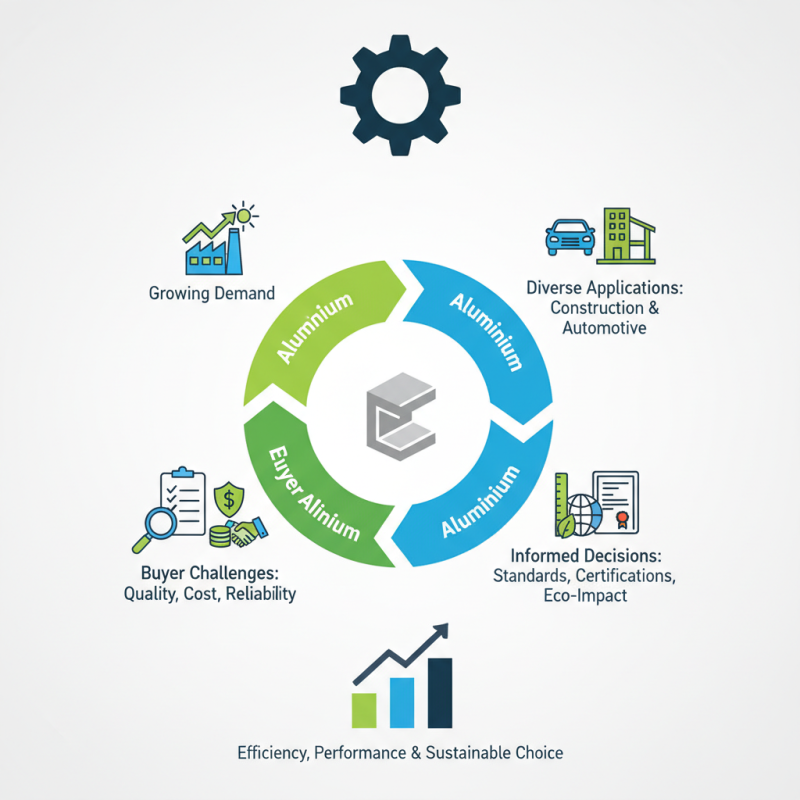
In today's manufacturing landscape, the demand for Industrial Aluminium Profiles continues to grow. This lightweight and durable material has applications in various sectors, from construction to automotive. Choosing the right profile is crucial for efficiency and performance.
Global buyers face challenges when sourcing these materials. Quality, cost, and supplier reliability must all be considered. Many companies struggle to find suppliers that meet their specific needs. Understanding the characteristics of Industrial Aluminium Profiles can help in making informed decisions.
Buyers should also research the standards and certifications relevant to their industry. Not all profiles are created equal; some may fail to meet necessary specifications. Consideration of environmental impact is becoming increasingly important as well. Reflecting on these factors can lead to better purchasing decisions in this competitive market.
Understanding the Global Aluminium Profile Market Dynamics and Trends
The global aluminium profile market is in constant flux, driven by various factors. Understanding these dynamics is crucial for buyers. Current trends indicate a growing demand for lightweight and high-strength materials in industries like construction and automotive. Market participants often struggle with maintaining quality while pursuing cost efficiency. This challenge highlights the need for reliable suppliers who can deliver consistent products.
Sustainability is another key aspect. Buyers are increasingly seeking environmentally friendly options. This includes recycled aluminium profiles, which not only reduce waste but also lower carbon footprints. However, sourcing sustainable materials can be complex. It requires a deep understanding of supply chains and regulatory standards across different regions.
Market entry can be daunting for new players. Many face barriers, such as fluctuating raw material prices and varying customer preferences. Building trust in this competitive landscape is vital. Buyers must research potential suppliers thoroughly and seek certifications that ensure product reliability. Navigating these complexities demands patience and strategic planning.
Industrial Aluminium Profile Guide for Global Buyers
| Region | Market Size (USD Billion) | Growth Rate (%) | Main Applications | Key Trends |
| North America | 5.23 | 4.5 | Construction, Automotive | Sustainability Initiatives |
| Europe | 7.12 | 3.8 | Transport, Renewable Energy | Standardization and Regulations |
| Asia-Pacific | 10.45 | 6.2 | Electronics, Aerospace | Technological Advancements |
| Latin America | 2.34 | 5.0 | Packaging, Consumer Goods | Investment in Infrastructure |
| Middle East & Africa | 1.98 | 3.5 | Construction, Oil & Gas | Diversification of Economy |
Key Properties and Benefits of Aluminium Profiles in Various Industries
Aluminium profiles offer numerous advantages across various industries. Their strength-to-weight ratio makes them ideal for structural applications. They are lightweight yet strong, providing excellent durability.
This balance is crucial for sectors like automotive and aerospace, where every ounce matters. Furthermore, aluminium is resistant to corrosion. This property extends the lifespan of products, making them cost-effective over time.
When sourcing aluminium profiles, consider the specific needs of your industry. For instance, in the construction sector, the thermal properties of aluminium can enhance energy efficiency in buildings. Its flexibility allows for intricate designs while maintaining structural integrity. Additionally, aluminium profiles can be easily modified for diverse applications.
Tip: Always verify the specifications of your aluminium profiles. Ensure they meet industry standards. This can save you from future complications.
It's also important to reflect on your sourcing practices. Are you prioritizing quality or simply the lowest price? A cheap product may lead to higher long-term costs due to replacements or repairs. Aim for reliability and manufacturer reputation to boost your project outcomes.
Global Production Statistics: Top Aluminium Profile Manufacturers and Exporters
The global aluminium profile market has shown significant growth in recent years. Key manufacturers and exporters are concentrated in countries with robust industrial infrastructures. These regions often leverage local resources for cost-effective production. It's interesting to see how global demand shifts can impact local economies.
Production statistics reveal that several countries dominate the aluminium profile sector. These countries not only produce large quantities but also influence global pricing trends. However, some regions face challenges like fluctuating energy costs and environmental regulations. This can hinder their competitive edge.
Exporting aluminium profiles involves navigating various international trade regulations. Buyers need to be aware of compliance requirements, which can vary greatly. This adds another layer of complexity. Understanding these dynamics is crucial for global buyers looking for reliable suppliers in the ever-evolving aluminium market.
Factors Influencing Aluminium Prices and Market Demand Worldwide
Aluminium prices have seen fluctuations influenced by several market factors. Demand in the construction sector significantly drives prices. For instance, the International Aluminium Institute reported that construction accounts for approximately 32% of global aluminium usage. As infrastructure projects expand worldwide, so does this demand. Additionally, electric vehicles are becoming a major player, contributing to about 20% of aluminium consumption.
Another critical factor is energy costs, which affect production expenses. According to data from the World Bank, energy prices have risen by nearly 30% in the past two years. This rise impacts aluminium production in energy-intensive facilities. Moreover, geopolitical tensions can disrupt supply chains, causing sudden price spikes. Limited access to raw materials can increase competition and raise prices further.
Sustainability concerns are also reshaping market demand. Companies are under pressure to reduce their carbon footprints. This shift towards sustainable practices can influence aluminium prices. Transitioning to recycled aluminium can be more costly in the short term but beneficial long-term. As the global market evolves, tracking these factors is crucial for buyers. Understanding these dynamics ensures better decision-making in the competitive landscape of aluminium procurement.
Sustainable Practices in Aluminium Profile Manufacturing and Recycling Efforts
Sustainable practices in aluminium profile manufacturing are increasingly critical. The aluminium industry is a significant contributor to global carbon emissions, accounting for around 1% of the total. However, many manufacturers are adopting greener production methods. Research indicates that recycling aluminium saves up to 95% of the energy required to produce new aluminium. This fact highlights the importance of recycling efforts.
Quality recycling systems are essential in the aluminium profile sector. It is estimated that recycled aluminium has a lower environmental impact. For instance, a study found that using secondary aluminium reduces greenhouse gas emissions significantly compared to primary aluminium production. Yet, challenges persist. Not all manufacturers prioritize recycling, and effective collection systems are often lacking in many regions.
The journey toward sustainability remains complex. Initiatives to improve production efficiency face roadblocks. Moreover, some operators still rely heavily on outdated practices. The industry must reflect on these issues. Embracing innovative recycling schemes can drive substantial improvements for a sustainable future. Addressing these challenges will require collaboration and commitment from all stakeholders in the aluminium profile market.