Full container DDP shipping to Dubai combines ocean freight, import clearance, applicable duties and taxes, and delivery to an agreed destination. With a full container load, or FCL, one shipper’s cargo occupies the container. It may travel from a factory or warehouse to Jebel Ali Port, then continue by truck to a named delivery point. The exact route and timing depend on the origin, carrier schedule, customs processing, and final address.
Under Delivered Duty Paid terms, the seller generally arranges transport and import clearance and pays applicable import charges, as agreed in the contract. The buyer should still confirm what “door delivery” means. Does the quote include unloading, waiting time, or delivery to an upper-floor warehouse? Small details can change the final cost. They matter.
This guide explains how Dubai Full Container Ddp shipping works, which documents and charges to check, and how to compare quotes responsibly. A commercial invoice, packing list, and accurate cargo details help the parties prepare a shipment. Requirements can vary by goods, shipment origin, and current UAE procedures, so confirm them with a qualified freight forwarder or relevant authority before booking. DDP can make costs easier to understand, but it is not automatically the simplest option. The seller must be able to manage import formalities, and the written quote should clearly identify exclusions, delivery location, and any possible extra charges. A little uncertainty remains. Careful questions before loading can prevent expensive surprises after arrival.
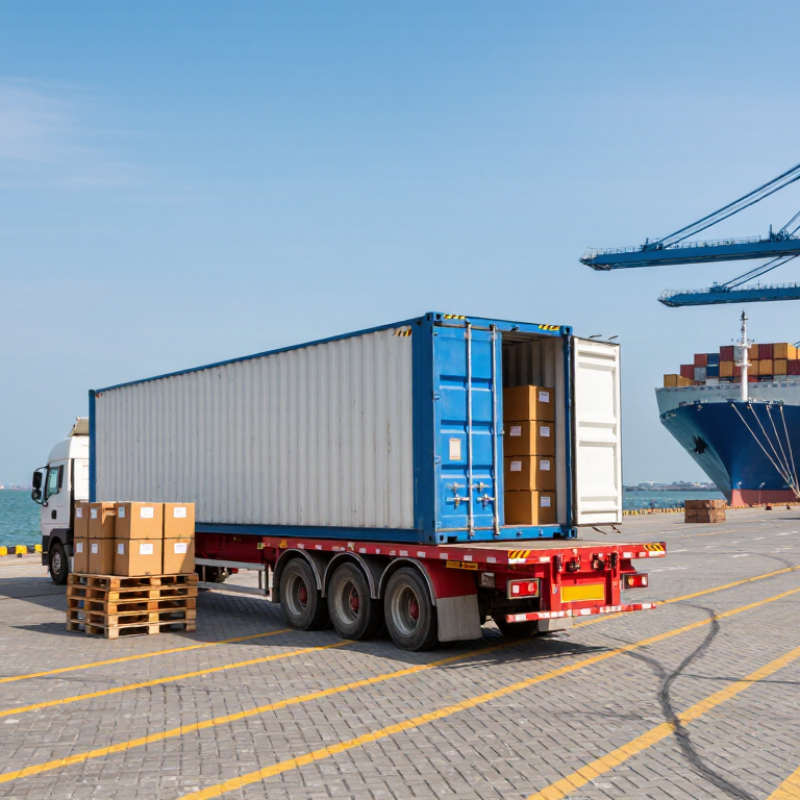
Full Container DDP shipping to Dubai means the seller arranges transport for a full container and takes responsibility for delivery to the agreed destination. DDP stands for Delivered Duty Paid. The seller generally handles export procedures, ocean freight, import customs clearance, applicable duties and taxes, and onward transport. One quoted arrangement. Fewer separate bills for the buyer to coordinate.
The named destination matters. It might be a warehouse in Dubai, not simply the port. DDP normally places transport costs and risk on the seller until the goods reach that location, ready for unloading. Unloading is usually the buyer’s responsibility unless the contract says otherwise. Check the exact address, delivery window, and access requirements before booking. A container truck may need a scheduled slot, suitable turning space, and someone ready to receive the cargo.
DDP does not make every charge or delay disappear. Customs processing, document accuracy, and the seller’s ability to manage local import requirements can affect delivery. Ask for a written breakdown stating what duties, taxes, clearance fees, and destination charges are included. Also confirm who pays storage costs if documents or warehouse arrangements are not ready. The wording can sound simple. The details need checking.
Preparing goods for full container shipping to Dubai starts with packaging that can withstand handling and sea travel. Choose sturdy cartons or crates, then check that each package closes securely. Keep heavy items low and distribute weight evenly across the container floor. Use pallets only when they suit the cargo and loading plan. A damp carton can weaken quickly. Protect goods from moisture with suitable liners or desiccants, where appropriate.
Before loading, compare the packing list with the actual cargo, including carton counts, weights, and dimensions. Leave clear access to the container doors and avoid unstable stacks. Photograph the cargo condition and the loading sequence; these records can help resolve questions later. For DDP shipments, confirm in writing who arranges transport, import clearance, duties, and final delivery in Dubai. The agreed terms matter. A loading plan can still miss a small detail, so check the finished load before the container is sealed.
Tips: Label cartons clearly, but keep labels consistent with the shipping documents. Check weight limits with your freight provider. Save loading photos and seal details. If the cargo shifts during transit, even careful preparation may not prevent every issue.
With full-container DDP shipping to Dubai, the seller arranges transport and import clearance to the named delivery point. The agreed price generally includes ocean freight, export procedures, import duties, applicable import taxes, and delivery to that location. For example, a quote might cover moving a sealed container from the port to a warehouse in Dubai.
Check what “delivery” means in the contract. Port handling, customs-related charges, and local transport should be clearly itemized or confirmed as included. DDP does not automatically mean the seller unloads the container; unloading and delays may create separate costs. Import taxes and clearance requirements can depend on the goods and shipment details. This is easy to overlook. I still find vague destination-charge wording a common source of confusion.
Tips: Ask for a written breakdown of freight, duties, taxes, clearance, and final delivery. Confirm the exact delivery address and whether unloading is included. Keep the customs documents and payment records together. A low quote can look reassuring, but unclear exclusions deserve a closer look.
Full Container Load (FCL) DDP shipping means the seller arranges delivery of the container to the agreed named destination in Dubai and is responsible for import clearance and applicable import charges. The exact charges depend on the cargo, origin, customs classification, and delivery address.
| Cost or Duty | Covered Under DDP? | How It Is Determined | Practical Notes for Dubai |
|---|---|---|---|
| Origin pickup and export handling | Usually included | Depends on the supplier’s location, container type, and local handling requirements. | Confirm whether loading at the seller’s premises and export packing are included in the quoted price. |
| Export customs clearance | Included | Based on export declaration, documentation, and any required inspections. | The seller is responsible for completing export formalities and providing the required shipping documents. |
| International ocean freight | Included | Varies with origin, route, container size, season, and carrier capacity. | Ask whether the quote covers a 20-foot or 40-foot container and any applicable peak-season or fuel surcharges. |
| Cargo insurance | Not automatically required | Depends on the parties’ agreement and the insurance cover selected. | DDP does not itself require the seller to buy insurance. Confirm separately whether cargo insurance is included. |
| Dubai port and destination handling | Usually included | Port, terminal, documentation, and container-handling charges depend on the shipment and service provider. | Check for exclusions such as storage, demurrage, detention, inspections, or charges caused by delays. |
| UAE customs duty | Included when applicable | For many ordinary goods, the general customs duty is commonly 5% of the customs value, often assessed on a CIF basis. The actual rate depends on the tariff classification and applicable rules. | Some goods may have different rates, exemptions, or special treatment. The HS code and origin of the goods matter. |
| UAE import VAT | Included when applicable | The standard VAT rate is 5%. Import VAT is generally calculated on the customs value plus customs duty and any applicable excise tax. | VAT treatment can differ for exempt, zero-rated, or specially regulated goods. Confirm the treatment for the specific product. |
| Excise tax or other product-specific charges | Included when applicable | Applies only to designated goods and is determined by the product category and current UAE rules. | Products such as certain tobacco, vaping, and sugary-drink products may have excise requirements. Do not assume ordinary customs duty is the only import charge. |
| Import customs clearance and documentation | Included | May include customs declaration preparation, document processing, and coordination of required inspections. | Commercial invoice, packing list, transport document, and any product-specific permits or certificates may be required. |
| Inland delivery to the named Dubai destination | Included to the agreed point | Depends on the distance from the port, delivery location, vehicle access, and container handling needs. | The DDP named place should be stated precisely, such as a warehouse address. Delivery beyond that point is not included unless agreed. |
| Unloading at the destination | Usually excluded unless agreed | Depends on the delivery arrangement, available equipment, and contract terms. | Clarify who provides unloading labor or equipment and who pays for waiting time if unloading is delayed. |
Important: DDP costs should be confirmed against the precise named delivery place, product description and HS code, shipment origin, and current UAE customs and tax rules. The buyer and seller should also agree in advance on import documentation, unloading, inspections, storage, and delay-related charges.
A full container shipment to Dubai begins with a clear delivery address and a confirmed cargo plan. The seller or its logistics provider arranges collection, export clearance, and transport to the departure port. At the warehouse, staff load the goods into one container, secure them against movement, and record the container and seal numbers. Photos can help document visible loading conditions. Small details matter.
The container travels by sea to a Dubai port, where arrival notices and shipping documents guide the next steps. Under DDP terms, the seller is generally responsible for import clearance, duties, and delivery to the named destination. That responsibility should be confirmed before booking: the seller needs a workable way to complete local import formalities. DDP does not normally include unloading at the destination, so the buyer should arrange suitable equipment and staff.
After customs release, a truck carries the container to the agreed address. Access hours, truck restrictions, and available unloading space can affect the final delivery. A site may look spacious on a map but still be difficult for a large vehicle. Timing can shift, too. Checking document details, duty arrangements, and delivery access before departure reduces avoidable delays, though it cannot remove every uncertainty in an international shipment.
Under full-container DDP shipping to Dubai, the seller handles import clearance, applicable duties and taxes, and delivery to the agreed address. Clearance commonly requires an accurate customs declaration, commercial invoice, packing list, and bill of lading. Check that quantities and product descriptions match across documents. Small discrepancies can delay release.
The World Bank’s 2023 Logistics Performance Index ranked the UAE seventh worldwide. Its customs and logistics measures indicate strong national performance, but cannot guarantee a smooth individual shipment. For many goods, customs duty is commonly 5% of CIF value; import VAT is generally 5%. The UAE Government’s customs and tax guidance should be checked for the goods’ specific classification and tax treatment. Allow time for document questions or inspections.
After customs releases the container, the seller arranges transport to the named delivery point. A truck may need a confirmed slot, site access, and room to position the container. The buyer should confirm who can receive it and whether unloading equipment is available. DDP does not automatically include unloading. That detail is easy to miss, and delivery plans can still need adjustment.
How Dubai Customs Clearance and Final Delivery Work
Under the standard Incoterms® 2020 DDP rule, the seller arranges transport, completes export and import clearance, and pays applicable duties and taxes through delivery to the named destination in Dubai. Delivery is generally ready for unloading; unloading is normally the buyer’s responsibility. Actual UAE import requirements depend on the goods and the parties’ eligibility, so confirm these details and the named delivery place before shipping. The chart shows responsibility, not transit time or cost.