Top Factors to Consider When Sourcing Blanking Die?
When sourcing a Blanking Die, several factors demand careful consideration. The quality of the die significantly affects production efficiency. A well-crafted die ensures consistent results and minimizes waste. Experts in the field often emphasize the importance of precise specifications. The choice of materials plays a vital role too. High-quality steel can enhance durability and performance.
It's essential to evaluate the manufacturer's capabilities. Not all suppliers offer the same level of expertise. A reputable manufacturer often provides insights into the die's design and expected longevity. Communication is crucial in this process. Clear dialogue with the supplier can prevent misunderstandings and ensure that the product meets your specific needs.
Price is another critical aspect but should not be the sole focus. Cost-effective solutions are great, but they can also lead to compromises in quality. Ultimately, the right Blanking Die contributes to long-term savings and operational success. Defining the requirements upfront can lead to better results. Investing time in research may feel daunting, but it pays off in the long run.
Factors Influencing Material Selection in Blanking Die Manufacturing
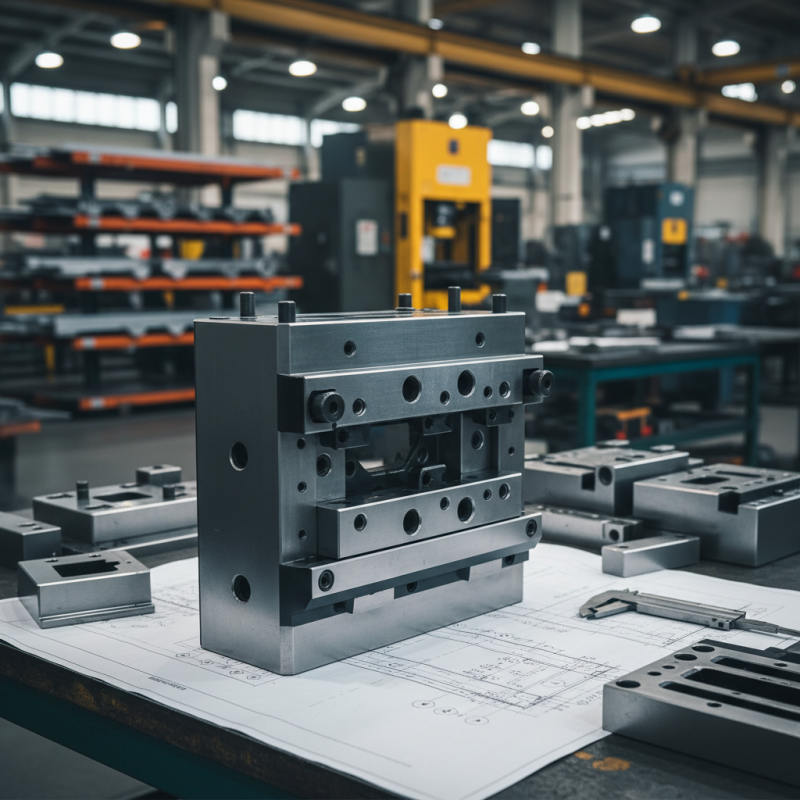
When selecting materials for blanking die manufacturing, the choice can significantly impact the die's performance. Steel and carbide are the predominant materials used, each with distinct advantages. According to industry reports, steel holds about 70% of the market share for die manufacturing. It offers good toughness and impact resistance, making it suitable for various applications. However, carbide, though more expensive, provides superior wear resistance and can last significantly longer, particularly in high-volume production scenarios.
Another critical factor is the hardness of the material. A study indicated that dies with a hardness rating above 60 HRC typically exhibit enhanced durability and reliability. Nonetheless, achieving such hardness can lead to brittleness. This trade-off presents challenges that manufacturers must carefully consider. For instance, while harder materials resist deformation, they may also crack under extreme stress. Thus, understanding the balance between hardness, toughness, and wear resistance is essential for optimal die performance.
Cost-effectiveness remains a major concern. Many manufacturers prioritize budget constraints over material quality. Reports show that low-cost materials can reduce upfront expenses but often lead to higher long-run costs due to increased tool wear and replacement needs. This underscores the necessity of a well-informed decision in material selection, weighing both immediate expenses and long-term performance. Engaging with metallurgical experts can provide invaluable insight into the best material choices for specific applications.
Cost Considerations: Balancing Quality and Affordability in Sourcing
When sourcing blanking dies, cost considerations play a crucial role. Balancing quality and affordability can be challenging. Recent industry reports indicate that nearly 70% of companies prioritize cost-effectiveness in their procurement processes. However, a low upfront cost can lead to higher long-term expenses. Poor-quality dies may cause increased wear and tear on machinery.
Investing in quality materials often results in higher durability. For instance, high-grade steel blanks can reduce replacement frequency, saving costs over time. Industry experts suggest that spending around 10-15% more on premium dies can enhance production efficiency by up to 25%. This increased efficiency often outweighs the initial investment in costs.
Additionally, sourcing locally can provide a balance of quality and affordability. Local suppliers typically reduce shipping costs and lead times. A report from the Manufacturing Industry Association reveals that 30% of manufacturers reported improved reliability when sourcing domestically. Yet, it is crucial to evaluate local options thoroughly. Not all local suppliers maintain the same standards, so due diligence remains vital.
Evaluating Supplier Capabilities and Their Impact on Production Efficiency
When sourcing blanking dies, evaluating supplier capabilities is essential. A supplier's technical expertise can influence production efficiency significantly. Their approach to design and engineering matters greatly. Seek out suppliers with a robust portfolio. Review past projects and case studies to gauge their success rates.
Communication plays a crucial role in this process. Suppliers who respond quickly tend to have better operational organization. Engaging in detailed discussions can reveal their understanding of your specific needs. This clarity can lead to customized solutions that enhance efficiency.
Additionally, consider the supplier’s production technology. Advanced machinery and processes can lead to better quality dies. However, it's vital to assess whether these updates align with your budget and requirements. Investing in state-of-the-art technology can boost long-term efficiency. Reflect on your priorities as you navigate these decisions.
Understanding Lead Times and Their Effect on Project Timelines
When sourcing blanking dies, understanding lead times is crucial. Industry reports indicate that lead times can vary significantly based on material, complexity, and supplier capabilities. For example, the average lead time for custom dies ranges from four to eight weeks. This variability can impact project timelines, especially in industries where speed is key.
Delays often arise during the sourcing process. A study by the Manufacturing Institute reveals that 30% of manufacturers experience setbacks due to supply chain disruptions. These delays can jeopardize production schedules and ultimately affect profitability. It's essential to keep communication open with suppliers. Assessing their reliability and past performance can help in managing expectations about lead times.
Additionally, considering the manufacturing methods used is important. Some suppliers may offer expedited services at a premium cost. Others may have more integrated supply chains that enhance speed. Evaluating these factors can help in choosing the right supplier. Lead times are not just numbers; they reflect the dynamics of working relationships and supply chain management. Flexibility and adaptability are key to navigating these challenges effectively.
Assessing Technological Innovations in Blanking Die Design and Production
When sourcing blanking dies, assessing technological innovations in design and production is crucial. Advanced technologies such as Computer-Aided Design (CAD) and 3D printing are reshaping die manufacturing. According to a recent industry report, incorporating these technologies can reduce production time by up to 30%. The ability to prototype and iterate designs quickly enhances overall efficiency.
Consider monitoring trends in materials used for blanking dies. High-performance materials like tool steels and carbides are gaining traction. These materials not only improve durability but also extend the lifespan of the die, which can lead to significant cost savings. Recent data indicates that dies made with modern materials experience a failure rate 20% lower than traditional options.
Tips: Regularly evaluate your die supplier's tech adoption. This can guide you toward partners who leverage innovative techniques. Maintaining open communication with suppliers about design expectations is essential. It ensures that the technologies employed align with production goals. Finally, stay informed about emerging technologies that could benefit your sourcing strategy. Innovations are constantly evolving, so adaptability is key.
Top Factors to Consider When Sourcing Blanking Die
| Factor | Description | Importance Level | Technological Innovation |
| Material Quality | Assess the type and grade of materials used for durability and performance. | High | Advanced composite materials for enhanced strength. |
| Design Capabilities | Evaluate the design complexity and customization options available. | Medium | Utilization of CAD/CAM technologies for precision design. |
| Production Speed | Consider the manufacturing lead times and efficiency rates. | High | Integration of automation in the production process. |
| Cost-effectiveness | Analyze the overall cost compared to the market average and competitors. | Medium | Innovative pricing models and value engineering. |
| Supplier Reputation | Research the reliability and history of suppliers in the industry. | High | Feedback systems utilizing AI to assess supplier performance. |