How to Choose the Best Cold Room for Your Restaurant Needs?
Choosing the right cold room for your restaurant is crucial for success. A well-designed cold room can improve efficiency and maintain food safety. According to industry reports, about 60% of foodborne illnesses originate from improper storage. This statistic highlights the importance of investing in a reliable Cold Room For Restaurants.
Cold rooms not only preserve food quality but also help reduce waste. The National Restaurant Association states that proper refrigeration can cut food spoilage by up to 30%. However, selecting the best cold room for your needs can be challenging. Factors like temperature control, size, and energy efficiency must all be considered.
Many restaurants overlook these details, which can lead to costly mistakes. A common issue is underestimating storage requirements, causing overcrowded spaces and temperature fluctuations. Assessing your current needs and future growth is essential when choosing a cold room for your restaurant. Making informed choices ensures your kitchen operates smoothly and remains compliant with health regulations.
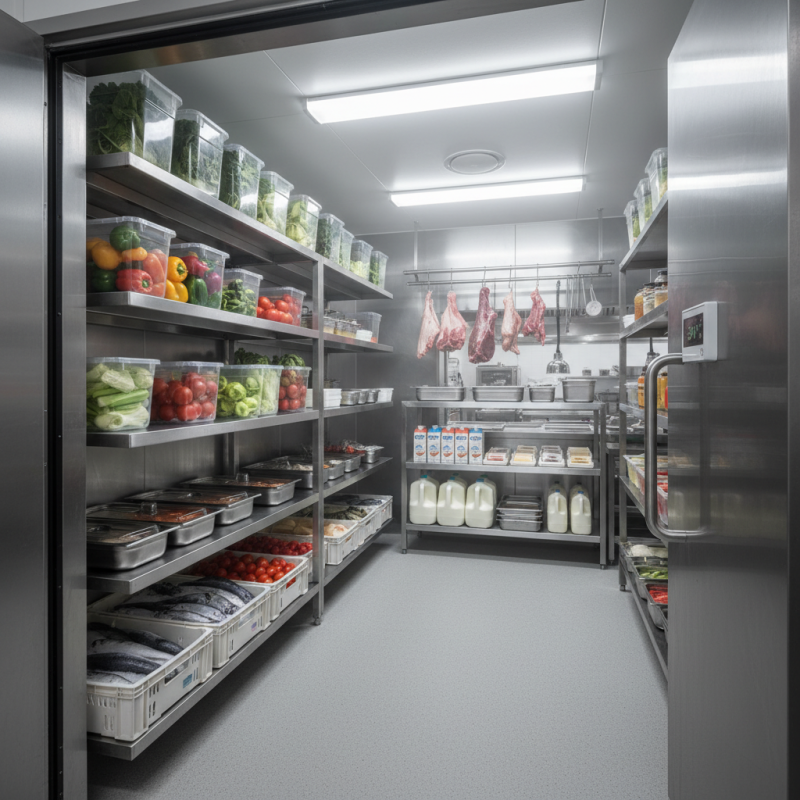
Identifying Your Restaurant's Refrigeration Needs
When it comes to identifying your restaurant's refrigeration needs, consider the type of food you serve. Different dishes require varying storage temperatures. For example, seafood often needs a colder environment than vegetables. Think about your menu carefully. Understand how much of each ingredient you need to store. You don’t want to waste energy or space on excess capacity.
Evaluate the space available in your kitchen. A large cold room may seem ideal, but it could overwhelm a small kitchen layout. Conversely, a small unit may not meet your storage demands as your business grows. The placement of the cold room is critical. Ensure it is easily accessible for staff during busy hours. Identify areas where crowding can occur and avoid those spots.
Lastly, consider operational efficiency. Different types of cold rooms offer varied levels of energy efficiency. Look for options that can reduce your utility bills while maintaining fresh ingredients. Regularly check your refrigeration system's performance. Be prepared to adjust your requirements as your restaurant evolves. Frequent evaluation can help you stay aligned with your operational needs, ensuring the best experience for your customers.
Understanding Different Types of Cold Rooms Available
Choosing the right cold room for your restaurant is crucial. Different types can meet various needs. Understanding these can enhance your inventory management and food safety.
Walk-in coolers are spacious and suitable for larger operations. They allow easy access to bulk items. Consider the layout of your kitchen when opting for this. Walk-in freezers, however, offer storage for frozen goods. They are essential for long-term storage and maintaining quality.
Tips: Assess your typical inventory levels. This helps determine the size needed. Think about energy efficiency. A well-insulated cold room saves on energy bills.
Under-counter refrigerators fit in smaller kitchens. They provide quick access to ingredients without wasting time. However, space can be limited. Ensure there is enough room for airflow.
Remember, maintaining temperature consistency is vital. An unreliable unit can lead to spoiled food. Regular maintenance and checks are necessary to ensure reliability. Plan ahead to accommodate future growth in your restaurant's needs.
Key Features to Look for When Selecting a Cold Room
Choosing the right cold room for your restaurant is crucial. It impacts food preservation and safety. When selecting a cold room, focus on key features that meet your needs.
Temperature control is essential. Look for units with precise temperature regulation. A reliable thermometer can help. Additionally, consider insulation materials. Good insulation maintains temperature and reduces energy costs. This impacts your bottom line.
Tip: Regular maintenance is vital. Schedule frequent checks. This prevents breakdowns and extends the cold room's lifespan. Look for user-friendly features too. Easy-to-read digital displays are a plus. They allow quick monitoring of conditions.
Space and layout matter as well. Assess your available area. Choose a design that optimizes your workflow. A cramped cold room can lead to inefficiencies. Plan for future growth too. Flexibility in size can save you stress later.
Tip: Involve your staff in the decision-making process. Their daily experience can provide valuable insights. Remember, the goal is a system that works for everyone. Avoid overcomplicating your choices. Prioritize functionality over fancy features.
How to Choose the Best Cold Room for Your Restaurant Needs? - Key Features to Look for When Selecting a Cold Room
| Feature | Description | Importance Level |
| Size and Capacity | The cold room should have enough space to comfortably store all perishable goods, accommodating peak times. | High |
| Temperature Control | Reliable temperature settings and monitoring are critical for food safety. | High |
| Energy Efficiency | Look for models that conserve energy to reduce costs over time. | Medium |
| Accessibility | Easily accessible for staff to reduce time spent in retrieval and restocking. | Medium |
| Durability | Built with sturdy materials to withstand heavy use in a busy kitchen environment. | High |
| Customization Options | Ability to modify dimensions and layout based on specific kitchen requirements. | Medium |
| Warranty and Support | Look for extended warranty and customer support options to ensure peace of mind. | Medium |
Evaluating Space and Design Considerations for Your Cold Room
When designing a cold room for your restaurant, space and layout are critical. Evaluate your kitchen's overall size. A colder area should not obstruct workflow. Consider the type of food you'll store. Different items require varying temperatures. This can be a balancing act, especially in smaller kitchens.
Tips: Measure your available space accurately. Allow for air circulation. Think about easy access for inventory checks. A cramped cold room can lead to inefficiencies.
Reflect on your staff's needs. They should be able to retrieve items without hassle. This placement can save time and reduce frustration. Pay attention to the cold room's door location. It affects the workflow significantly.
Tips: Choose a door that opens outward. That can help maximize space. Remember, a well-designed cold room enhances productivity. A poorly thought-out space may lead to wasted time.
Budgeting: Costs and Energy Efficiency of Cold Rooms
When considering a cold room for your restaurant, budgeting plays a crucial role. Start by evaluating installation costs. Basic models can range widely in price. Hidden expenses may arise, such as customizations or site preparation. Think about space requirements. A larger cold room generally costs more.
Energy efficiency is another important factor. Look for models that use modern refrigeration technology. Energy-efficient options can significantly lower utility bills. Consider the long-term savings over initial costs. Many designs offer advanced insulation, which reduces energy consumption.
However, balance efficiency with your restaurant’s needs. Not every energy-saving feature may suit your operation. A system might save energy but may not meet storage requirements. Analyze all features thoroughly. Sometimes, the cheapest option may lead to higher costs later. Careful planning helps avoid unexpected expenses.