How to Choose the Right Spindle Hub Bearing Assembly?
Choosing the right Spindle Hub Bearing Assembly is crucial for vehicle safety and performance. It directly influences how smoothly the wheels rotate and how effectively the vehicle handles. A suitable assembly reduces wear and tear on your vehicle, enhancing its longevity.
Different vehicles require specific Spindle Hub Bearing Assemblies. Factors such as vehicle type, weight, and driving conditions play a vital role. Understanding these nuances ensures you select the best option. Many aftermarket products claim compatibility, but not all deliver the necessary reliability and durability.
To make an informed decision, consider the manufacturer's recommendations. Research various brands and read customer reviews. While some products promise high performance, they may not always meet your expectations. Careful evaluation of these aspects can help you avoid costly mistakes and ensure the safety of your vehicle.
Understanding Spindle Hub Bearings: Types and Functions
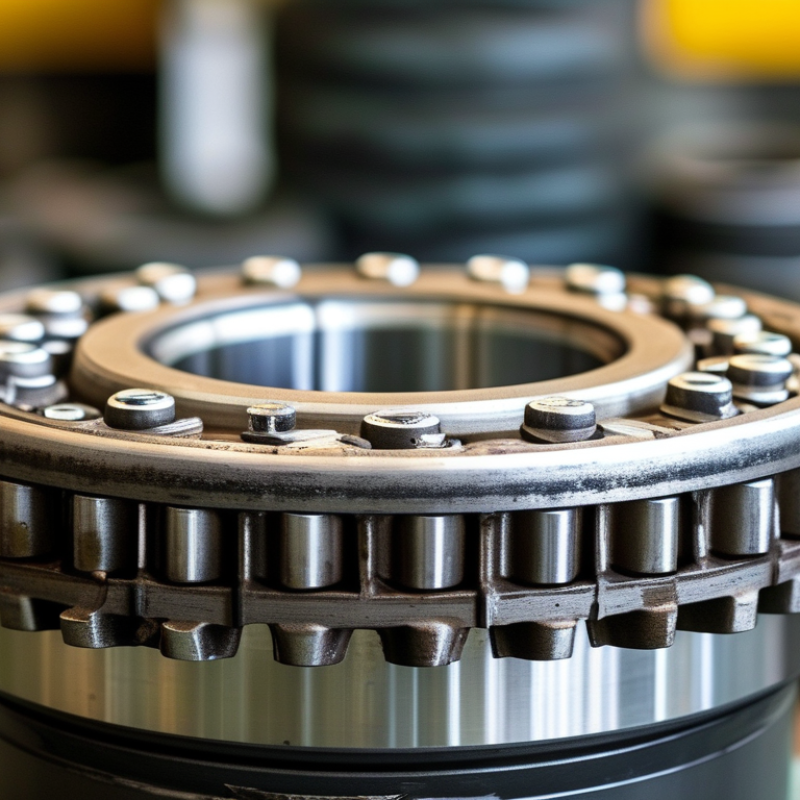
Spindle hub bearings are crucial for vehicle performance. They support the wheel and allow smooth rotation. Various types exist, including tapered roller bearings and ball bearings. Each type is designed for specific loads and conditions.
Tapered roller bearings handle heavy loads well. They distribute the load efficiently. For high-speed applications, ball bearings are often preferred for their low friction. According to data from the Bearing Manufacturers Association, improper bearing selection can reduce lifespan by 30%. This highlights the importance of understanding types and functions.
Regular maintenance is key. Inspecting for wear and tear can prevent breakdowns. However, not all users recognize early signs of failure. Utilizing advanced diagnostic tools can improve reliability. Some studies indicate that over 60% of failures occur due to insufficient lubrication or misalignment. Understanding these factors is vital for choosing the right spindle hub bearing assembly.
Key Factors to Consider When Choosing a Spindle Hub Bearing Assembly
Choosing the right spindle hub bearing assembly is crucial for vehicle performance and safety. Several key factors play a role in making the right choice. Firstly, it's important to consider the load capacity of the bearing. According to industry studies, the axle load can greatly influence bearing performance. Aim for a bearing assembly that exceeds your vehicle's maximum load to ensure durability.
Material quality is another critical concern. High-quality steel and advanced composites typically increase lifespan. Research suggests that using better materials can reduce wear by up to 30%. This directly impacts maintenance frequency and overall costs. Opting for certified assemblies can also assure adherence to industry standards.
Tip: Always check the manufacturer's specifications for compatibility.
Additionally, pay attention to the installation process. Poor installation can lead to premature failure. Observations reveal that up to 15% of bearing failures are installation-related. Ensure you have the right tools and training for a proper fit.
Tip: Consider seeking professional help if unsure about installation.
In conclusion, emphasizing load capacity, material quality, and installation can lead to better long-term performance. Approaching the selection with due diligence is essential to avoid costly mistakes.
Steps to Evaluate the Compatibility of Bearings with Your Vehicle
Choosing the right spindle hub bearing assembly can be challenging. Understanding compatibility is crucial for vehicle performance. According to recent industry reports, incorrect bearing choices can lead to premature wear and costly repairs.
Begin by examining the specifications of your vehicle. Take note of the make, model, and year. These details ensure that you find a bearing that meets the necessary standards. The National Institute for Automotive Service Excellence (ASE) highlights that mismatched components can reduce the lifespan of your bearings by up to 50%.
Next, check the bearing dimensions. This includes inner and outer diameters, as well as width. Many aftermarket parts do not conform to OEM standards. This discrepancy may cause mounting issues and impact safety. Evaluating compatibility is not just about fitting parts; it’s about ensuring optimal performance and reliability. Small differences can lead to significant problems, so diligence in this step is essential.
Maintaining and Replacing Spindle Hub Bearings: Best Practices
When maintaining spindle hub bearings, it's vital to identify wear and tear early. Regularly inspect the bearings for irregular sounds or vibrations. These signs often indicate issues that can escalate. Timely identification can save money in the long run. A simple visual check can reveal cracks or imperfections.
Replacing spindle hub bearings involves precise steps. Use the right tools to ensure proper installation. A misalignment can lead to premature failure. Always clean the area before installing new bearings. Contamination can affect performance significantly. Also, consider using protective gear to ensure safety during the process.
Don't forget the importance of lubrication. Over time, grease can break down or get contaminated. This can lead to increased friction and wear. Regularly refresh the lubrication to maintain optimal performance. Neglecting this step may seem minor, but it can lead to serious issues. Always review your maintenance practices to find areas for improvement.
Common Mistakes to Avoid When Selecting a Bearing Assembly
Selecting the right spindle hub bearing assembly can be challenging. One common mistake is overlooking the specifications. Each vehicle has unique requirements. Incorrect specifications can lead to poor performance. Always consult the vehicle's manual. It provides essential details about the compatible bearing assembly.
Another frequent error is prioritizing cost over quality. Cheaper options may seem appealing, but they often lack durability. This can lead to premature failure. Investing in a reliable bearing assembly pays off in the long run. It minimizes the need for replacements.
Lastly, many people forget to check compatibility with existing components. Mismatched parts can cause significant problems. It's important to ensure each piece fits together seamlessly. Double-checking compatibility avoids unnecessary complications. Taking these factors into account will enhance your selection process significantly.