How to Choose the Right Laser Cutting Machine for Your Needs?
Choosing the right laser cutting machine can be a daunting task. Industry expert Dr. Emily Chen notes, “Selecting a laser cutting machine requires understanding your unique needs.” This statement highlights the complexity of the decision-making process. Businesses must consider many factors in their choice.
The variety of laser cutting machines can overwhelm potential buyers. They range from entry-level units to high-end, industrial-grade models. Each machine has different capabilities, such as power, speed, and precision. A small workshop may not need the same features as a large manufacturing facility.
Additionally, understanding materials is crucial. Various materials have unique cutting requirements. For example, metals demand different settings than plastics. Potential buyers often overlook these specifics, which can lead to costly mistakes. Reflecting on your needs can help avoid such pitfalls. Making the right choice ensures optimal performance and efficiency.
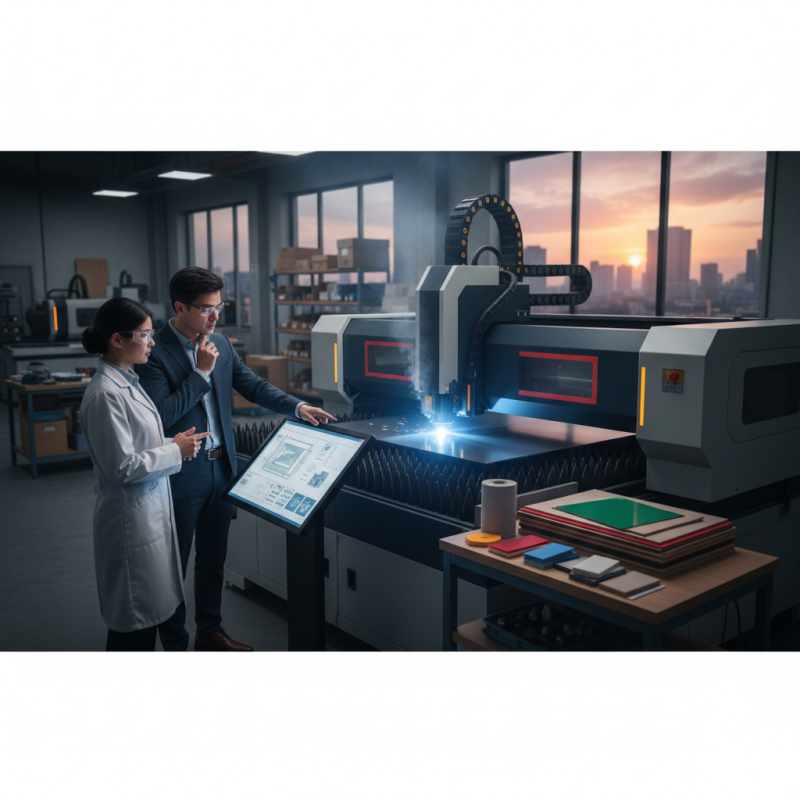
Understanding Your Cutting Needs and Materials
Selecting the right laser cutting machine requires a deep understanding of your specific cutting needs. Different materials have unique properties. For example, wood demands a different approach than metal or acrylic. The thickness of the material also plays a crucial role. Thicker materials often need more powerful lasers, while thinner materials can be handled with less intensity.
You should consider the quality of cuts required. Some projects need precision cuts with minimal burning. Others may permit rougher edges. Understanding the desired outcome can prevent costly mistakes. Think about the intricacies of your designs. Simplistic designs are easy to cut, but complex patterns require machines that can handle finer details.
Be mindful of your budget. High-quality machines are often more expensive. However, investing in a reliable machine can pay off in the long run. It’s important to weigh the initial cost against the quality and efficiency of your output. Misjudging these factors can lead to regrets down the line. Each project will teach you something new. Adaptability is key in this evolving field.
Types of Laser Cutting Machines Available in the Market
When selecting a laser cutting machine, understanding the types available is essential. Laser cutting machines generally fall into three main categories: CO2, fiber, and crystal lasers. CO2 lasers are versatile and ideal for cutting wood, acrylic, and textiles. They produce high-quality cuts and are widely used in various industries. However, they may not be the best option for metals.
Fiber lasers are known for their efficiency and speed. They excel in cutting materials like stainless steel and aluminum. Their compact design makes them suitable for smaller workspaces. However, they can be more expensive than CO2 options. Depending on your needs, this cost might not justify the benefits. Crystal lasers, typically used for very specific applications, offer precision but come with a steep learning curve.
Choosing the right type involves understanding your materials and application. Each laser has its strengths and limitations. A machine suited for one project might fail in another. Consider factors like thickness, productivity, and budget. Sometimes, buyers rush into a decision without proper research, leading to regret. Being informed can save you from costly mistakes.
Key Features to Consider When Selecting a Laser Cutting Machine
When selecting a laser cutting machine, several key features are crucial. The laser type plays a significant role. CO2 lasers work best for organic materials like wood and acrylic. Fiber lasers, on the other hand, excel at cutting metals. Industry reports indicate that CO2 and fiber lasers capture around 75% of the market share. Understanding the right application for your material is essential for optimal performance.
Another critical factor is the machine's power output. Laser cutting machines range from 30 to over 300 watts. Higher wattage allows for faster cutting speeds and thicker material limits. For instance, a 100-watt laser can effectively cut through ¼ inch of acrylic or steel sheets. Consider your typical project needs. If you often work with thicker materials, investing in a higher wattage machine is wise.
Furthermore, the bed size and cutting area should not be overlooked. A larger cutting area increases flexibility for bigger projects. Many machines offer bed sizes between 2x2 feet to 5x10 feet. However, larger machines often come with a higher cost. Balance your budget against your project requirements. It's vital to reflect on whether you need that extra space regularly or for occasional larger jobs.
How to Choose the Right Laser Cutting Machine for Your Needs?
| Feature | Importance | Considerations |
| Laser Type | High | CO2 vs Fiber lasers; material compatibility |
| Cutting Area | Medium | Size based on intended projects |
| Power Output | High | Influences cutting speed and material thickness |
| Software Compatibility | Medium | Ensure integration with design software |
| Cooling System | Medium | Air vs water cooling; affects performance |
| Maintenance Ease | High | Impact on long-term operation costs |
| Safety Features | High | Emergency stops, laser enclosures |
Budgeting and Cost Analysis for Laser Cutting Equipment
When considering a laser cutting machine, budgeting is crucial. Start by identifying your needs. What materials will you cut? Are you focusing on metals, wood, or plastics? Each material has different requirements. This affects the machine's price and functionality. For instance, a machine for metal requires higher power and precision.
Next, analyze the total cost of ownership. The initial price is only part of the equation. Consider maintenance, consumables, and energy costs. Machines can require regular part replacements, which add to the long-term expense. Some owners overlook this and face unexpected costs later.
Research different options and seek advice from industry professionals. Make sure to compare features and overall costs. It can be tempting to choose the cheapest option. But investing in quality often pays off. Don't rush the decision. Take your time to evaluate all factors, including potential hidden costs. Reflect on your long-term plans. Will this machine still meet your needs in a few years? These considerations are essential for making a wise investment.
Evaluating After-Sales Support and Maintenance Options
When choosing a laser cutting machine, after-sales support is crucial. A study by the International Laser Cutting Association revealed that 30% of equipment failures stem from inadequate maintenance. Understanding maintenance options can mitigate these issues and extend machine lifespan.
Warranty terms are significant. Many manufacturers offer one to three years of coverage. However, gaps may exist in terms of parts failure versus labor support. It’s wise to read the fine print and ask questions. Access to trained technicians matters too. The availability of local support can significantly reduce downtime.
Training is another aspect to consider. A report from the Manufacturing Technology Centre shows that 40% of operators feel undertrained on new equipment. Quality after-sales service includes ongoing training options. Investing in continuous learning can optimize machine performance and ensure your team accurately handles production demands.
Choosing the Right Laser Cutting Machine: After-Sales Support and Maintenance Options