How to Choose the Right Geomembrane Welding Machine?
Choosing the right geomembrane welding machine is crucial for project success. With the market expected to reach $2 billion by 2025, the demand is growing rapidly. High-quality welding machines ensure strong seams and durability. However, selecting one isn't always straightforward.
Dr. James Morton, an industry expert, states, "The right machine can make a significant difference in both efficiency and outcome." His insights highlight the importance of understanding specific project requirements. Many users overlook factors like material compatibility and machine capabilities.
Each project is unique, and so are the challenges. Some machines may not perform well with certain geomembranes. Reflecting on the options is vital. Investing time in research can lead to better decisions. With the right geomembrane welding machine, projects can meet both timelines and quality standards. Disregarding this step may yield unsatisfactory results.
Understanding the Different Types of Geomembrane Welding Machines
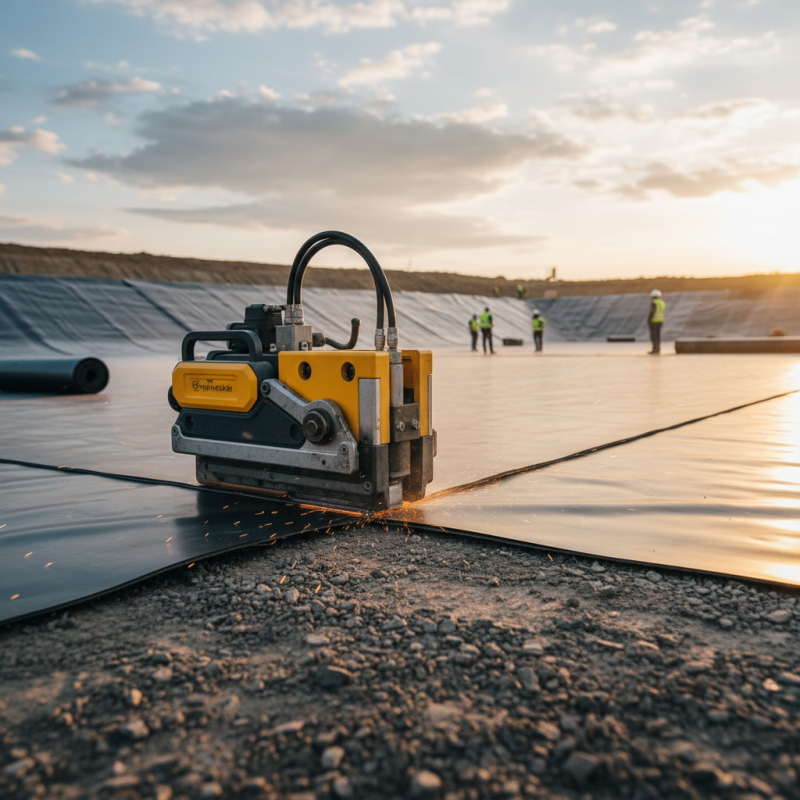
When selecting a geomembrane welding machine, it’s crucial to understand the different types available. The most common include hot wedge, extrusion, and radio frequency machines. Each type has unique features that fit specific applications. Hot wedge machines are efficient for seams. They work well in challenging environmental conditions. Extrusion machines excel when thicker geomembranes are involved. They add material during the welding process, increasing durability. Radio frequency machines are ideal for joining materials that need precise welds.
Choosing the right machine depends on your project's specific requirements. Consider the thickness and type of geomembrane you'll be using. Also, climate factors can affect the machine's performance. Proper training and maintenance are essential for all machines. Before using, test the settings to ensure everything works smoothly.
Tips: Always inspect equipment before starting. Maintenance can prevent unexpected issues. Consult with operators who have hands-on experience. Their insights are valuable for avoiding common pitfalls. Make a list of potential challenges specific to your project. Reflect regularly on the efficiency of your chosen machine. Adjust practices based on those reflections.
Comparison of Different Types of Geomembrane Welding Machines
Key Features to Consider When Selecting a Welding Machine
When selecting a geomembrane welding machine, certain features should be prioritized. One critical aspect is the machine's temperature control. Consistent temperature is vital for effective welding. Research shows that a variance of just 5°C can lead to weak seams and potential failures in high-stress environments. This is crucial for applications in landfills, ponds, and other containment systems.
Another essential feature is the machine's speed. Efficiency in welding can significantly affect project timelines. Machines that offer adjustable speeds allow operators to adapt to different material thicknesses. Data indicates that a well-timed weld can reduce energy consumption by 20%. Using a welding machine that can handle various thicknesses allows for versatility across projects and materials.
Equally important is the machine's portability. Job sites can vary widely, and a lightweight, compact model can facilitate easy movement. However, careful consideration is needed, as lightweight machines might sacrifice power. Choosing machines built for durability often weighs heavily in decision-making. Ensuring that the machine meets field conditions is critical. Reflecting on these choices can make a substantial difference in the project outcome.
How to Choose the Right Geomembrane Welding Machine? - Key Features to Consider When Selecting a Welding Machine
| Feature | Description | Importance |
| Welding Temperature Control | Ability to adjust and maintain the optimal welding temperature for different materials. | High |
| Welding Speed | Speed at which the machine can effectively weld geomembranes. | Medium |
| Portability | Weight and design that enables easy transportation to various job sites. | High |
| Power Source | Type of power required (electric, gas, etc.) and its availability at job sites. | Medium |
| User-Friendly Interface | Ease of use, including control options and display accuracy. | High |
| Durability | Construction quality to withstand challenging environments and frequent use. | High |
Evaluating the Power Requirements for Geomembrane Welders
When selecting a geomembrane welding machine, understanding power requirements is crucial. The machine's wattage affects welding speed and consistency. A higher wattage translates to faster welding, but it can be excessive for smaller projects. Conversely, lower wattage machines may struggle with thicker materials. Evaluating the power needs based on project size is vital.
It's also important to consider the voltage specifications. Some machines run on standard levels, while others may require higher voltages for optimal performance. If the power source is not adequate, you might face delays. Don't overlook the potential need for transformers or generators in remote job sites. Those extra requirements can add complexity.
Moreover, machines may come with various plug types. Compatibility is essential. An incompatible plug can halt progress and waste time. Always check your site’s power supply type. Reflecting on these factors helps ensure you choose a geomembrane welder that meets your project demands without overcomplicating the process.
Assessing the Performance and Durability of Welding Machines
When selecting a geomembrane welding machine, performance and durability are crucial factors. According to industry reports, improper welding can lead to leaks that may cost hundreds of thousands in repairs. In fact, tests show that machines producing consistent seam strength can reduce failures by up to 25%. A reliable machine ensures a solid bond, preventing costly project delays.
Durability is another essential aspect. Machines are often subject to rigorous conditions. The materials used in construction significantly impact their lifespan. Machines designed with high-quality components typically last longer and withstand harsh environmental factors. Some sources estimate that investing in a durable machine can save up to 20% in maintenance costs over time. However, operators should always assess machine wear and tear regularly.
Observing these parameters can greatly influence the success of a project. Operators may find themselves questioning their choices if they experience frequent equipment failures. There is no perfect solution. Every machine may have its drawbacks, and understanding these limitations is vital to making informed decisions. Ultimately, weighing performance against durability can lead to better project outcomes.
Cost vs. Value: Budgeting for Your Geomembrane Welding Equipment
Budgeting for geomembrane welding equipment is more than just crunching numbers. It's about understanding the true value of your investment. An industry report from the International Geosynthetics Society indicates that high-quality welding machines can yield savings up to 25% in project costs over time. This makes reliable equipment crucial for long-term projects, especially in environmental and construction sectors.
However, the initial cost can be daunting. Basic machines may seem attractive. But their lower cost can lead to higher operational costs later. A study by the Geosynthetic Materials Association found that cheaper equipment often requires more maintenance, increasing overall expenditures. Investing in a more reliable model may seem expensive upfront, but it can reduce downtime and quality-related issues.
Moreover, consider the long-term effectiveness of the machines you choose. An efficient geomembrane welder can improve installation speed and reduce material waste. Given that poor welding can lead to failures, the financial repercussions could far exceed any initial savings. Balancing cost with quality is essential. It’s not just a matter of saving money; it’s about creating value over the lifespan of your equipment.