How to Choose the Best Investment Casting Mold for Your Needs?
Choosing the best Investment Casting Mold is crucial for various industries. This process significantly impacts product quality and production efficiency. According to a report by Research and Markets, the global investment casting market is expected to reach USD 22 billion by 2027, indicating robust industry growth.
Investment casting molds have varied applications in automotive, aerospace, and healthcare sectors. Each sector demands specific design features and material properties. Industry professionals emphasize the importance of mold selection, as the right choice can enhance durability and performance. However, many overlook critical factors such as temperature tolerance and alloy compatibility.
Investing time in understanding these details can prevent costly mistakes. For instance, a 2021 study highlighted that improper mold selection can lead to production delays of up to 30%. Therefore, a thoughtful approach is essential. A thorough assessment of your unique needs will guide you in selecting the most suitable Investment Casting Mold. This is not merely a technical choice; it reflects your commitment to quality and efficiency.
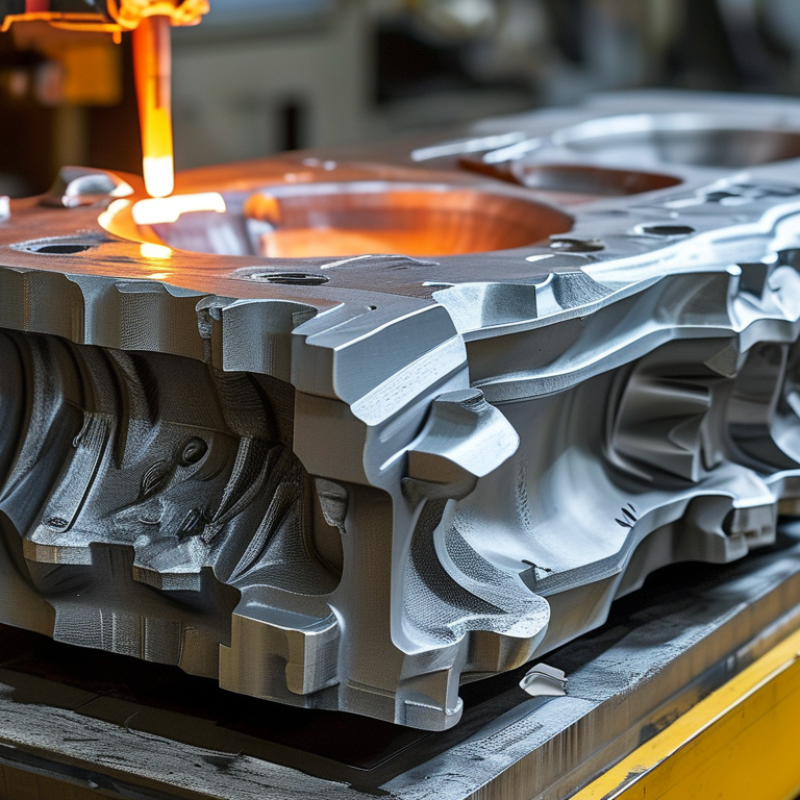
Understanding the Basics of Investment Casting Molds
Investment casting is an intricate process that relies heavily on the quality of the mold used. Understanding how to choose the right investment casting mold is crucial for achieving precision and efficiency in production. A report from the American Foundry Society indicates that 70% of casting defects arise from inadequate mold design. This highlights the importance of selecting a mold that aligns with your specific requirements.
Investment casting molds are typically made from ceramic materials, providing excellent detail and a smooth surface finish. The mold-making process itself can be complex, often requiring precision engineering. According to a recent study by Grand View Research, the global investment casting market anticipates a growth rate of 5.6% through 2028. This growth is partly due to innovations in mold technology, such as the adoption of 3D printing for rapid prototyping, which offers flexibility and reduces lead times.
However, challenges remain. Poorly designed molds can lead to issues such as misalignment and excessive distortion, which can compromise the integrity of the casting. Manufacturers must weigh the pros and cons of various materials and methods. Variables like the choice between single-use versus reusable molds can significantly impact costs and production timelines. A thoughtful approach to mold selection is essential for both cost-effectiveness and product quality.
Investment Casting Mold Types and Their Applications
Identifying Your Specific Requirements for Molds
When selecting an investment casting mold, it’s crucial to clarify your specific needs. Consider the material type, dimensions, and the complexity of your design. Each of these factors significantly influences the mold’s performance and lifespan. Materials like silicone may work for small, intricate pieces, while metals are essential for heavier, durable applications. Understanding these options helps in making informed decisions.
Evaluate the production volume. Smaller quantities might not require complex molds. However, high-volume production demands molds designed for endurance.
Reflect on your budget and lead time, too. Some molds, while more expensive, can produce parts faster. Consider if you truly need the advanced features they offer. Simplicity sometimes leads to efficiency.
Think about the post-production needs. Will your parts require finishing? If so, the mold design should facilitate easy removal and minimal cleanup. Not every mold suits every production scenario. Some designs might lead to challenges during the casting process. Knowing what you need helps avoid costly mistakes and ensures optimal production outcomes.
Evaluating Material Options for Investment Casting Molds
When selecting the right material for investment casting molds, several factors come into play. The most common materials include steel, aluminum, and ceramic. Steel molds are durable and can withstand high temperatures, making them suitable for larger productions. However, they are heavier and can be expensive. Ceramic molds, on the other hand, allow for fine details and intricate designs. They may not have the same strength as steel but excel in producing complex shapes.
Aluminum molds offer a lightweight alternative. They heat up quickly and result in fast production times. Yet, they may not be as robust for every application. Finding the right balance between the type of mold and material is crucial. Evaluating your specific needs is essential. You should consider the production volume, desired detail level, and the final application of the casted component.
In practice, it can be challenging to identify the best mold material without prior experience. Each material presents trade-offs. It's essential to conduct thorough research and perhaps even consult with experts in the field. Keeping an open mind can lead to discovering solutions that you did not initially consider. The choice of material directly influences the casting quality and durability. Take the time to analyze your options carefully.
Comparing Costs and Budget Considerations for Molds
When choosing the best investment casting mold, cost is a primary concern for many manufacturers. The price of molds can vary significantly based on materials and complexity. Industry reports indicate that investment casting molds can range from a few thousand to tens of thousands of dollars. Understanding how to budget effectively is crucial for maximizing your investment.
Consider the material used in the mold. Stainless steel molds typically last longer than aluminum molds, but they come at a higher upfront cost. A study from the American Foundry Society notes that investing in higher-quality molds can lead to significant savings over time due to reduced production errors and longer lifespan. It’s essential to assess the projected production volume against the mold's longevity.
Tip: Evaluate your production needs. A more expensive mold may be justified if you're anticipating high production runs. Conversely, if your needs are low, a less expensive, shorter-lasting option could suffice.
Moreover, factor in maintenance costs. Regular upkeep can prevent costly downtime. Data shows that molds requiring frequent repairs can inflate overall costs, countering initial savings. Analyze total cost of ownership. This includes not just purchase price but also maintenance and lifecycle costs.
Tip: Don’t overlook the importance of skilled labor. The cost of expertise can impact the overall expenses related to mold processing and maintenance. Each decision you make has a ripple effect on your financial outlay.
Assessing the Quality and Performance of Investment Casting Molds
When assessing the quality and performance of investment casting molds, several factors come into play. Material strength is critical. High-quality molds are typically made from durable materials that withstand repeated use and high temperatures. In contrast, subpar materials may lead to rapid wear and compromised accuracy. Understanding the properties of these materials can help you avoid costly mistakes.
The design of the mold influences how well it performs. Complex shapes may require advanced techniques for mold fabrication. Poorly designed molds can lead to defects in the final cast. It's essential to analyze past projects to identify patterns of issues. Feedback from actual users can uncover hidden problems that specifications may not reveal.
Testing the mold before full-scale production is advisable. Small-batch tests can reveal performance under real conditions. If the mold doesn’t produce consistent results, adjustments may be necessary. Learning from these trials enhances your selection process. Each casting project is unique, making it crucial to remain flexible and ready to refine your choices based on performance data.