How to Choose the Best Die Punching Machines for Your Needs?
In the world of manufacturing, selecting the right equipment is crucial. Die Punching Machines play a significant role in precision part fabrication across various industries. According to a recent report by Freedonia Group, the demand for advanced die punching machinery is expected to grow by 4.5% annually. This growth reflects a rising need for efficiency and accuracy in production.
Choosing the right die punching machine requires careful consideration. Factors such as machine capacity, speed, and tooling play an essential role in ensuring that your operations meet quality standards. For instance, a study by MarketsandMarkets highlights that companies utilizing advanced die punching technology report up to a 30% increase in operational efficiency. However, it is vital to evaluate both your current and future needs to avoid overinvestment or underperformance.
While many machines boast impressive capabilities, not all will fit your specific requirements. Conducting thorough research can mitigate the risk of poor choices. A machine’s compatibility with existing systems and potential for upgrades often influences long-term success. Customers frequently regret rushing the decision and facing challenges later. Thus, investing time in understanding die punching machines is indispensable for achieving optimal results.
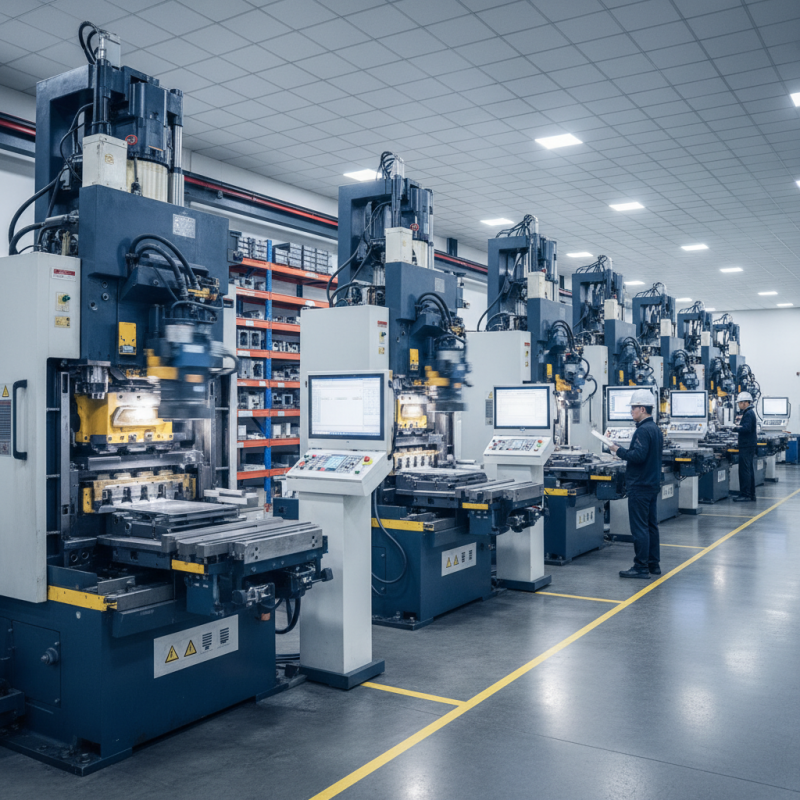
Understanding the Types of Die Punching Machines Available in the Market
When looking for die punching machines, it’s crucial to understand the different types available in the market. There are manual, semi-automatic, and fully automatic machines. Manual machines require human effort for operation and can be cost-effective. However, they may not be suitable for large-scale production, as they demand significant time and energy.
Semi-automatic machines bridge the gap between manual and fully automatic options. They offer some automation, reducing labor while still requiring operator intervention. These machines can be ideal for medium-sized businesses with moderate production needs. Fully automatic die punching machines excel in high-volume environments. They are often precise and efficient but come with higher initial costs. Selecting the wrong type for your needs could lead to inefficiencies and increased operational costs.
Another aspect to consider is the machine's intended use. Heavy-duty machines are needed for thicker materials, while lighter models suffice for paper or thin plastics. Assess your specific requirements and production goals. Reflect on your volume and material types before deciding. The right machine can significantly impact your productivity, but it’s worth remembering the importance of ongoing maintenance and operator training to optimize performance.
Evaluating the Key Specifications of Die Punching Machines
When selecting a die punching machine, evaluating key specifications is crucial. You want to analyze the machine's power and speed. A robust motor can handle tough materials. Look for a machine with adjustable speed settings. This allows for flexibility in different production tasks.
Consider the dimensions of the machine as well. The die size directly impacts what you can create. A larger working area can accommodate more intricate designs. However, larger machines can also take up more space. Think about your workspace and production needs.
Additionally, examine the durability of the machine. Materials and construction quality matter greatly. Machines made from high-quality steel tend to last longer. However, if the cost is too high, you may need to compromise on features. Weighing performance against budget can be challenging. Take the time to read user reviews. Real-world experiences can help highlight potential flaws in specific models. In the end, it’s about finding the right balance for your specific needs.
Identifying Your Specific Needs and Applications for Die Punching
When selecting a die punching machine, it's crucial to identify your specific needs. Consider the materials you'll be working with. Different machines handle paper, plastic, or metal differently. The thickness of these materials will also affect your choice. Some machines excel at simple shapes, while others are designed for complex, intricate designs.
Understanding your applications is vital. Are you producing items for packaging, crafts, or industrial use? This will determine the precision and speed required. Evaluate the volume of production too. If you're running small batches, a manual machine might suffice. However, larger operations may require a more automated system.
It's also important to remember that not every machine will meet all needs perfectly. Some users find that a specific feature is missing or that adjusting settings is cumbersome. Reviewing user experiences can provide insight here. Pay attention to improvements and adjustments that others have made post-purchase. Being open to these reflections will help fine-tune your decision process.
Die Punching Machine Selection: Volume vs. Speed
Comparing Cost Factors and Budget Considerations for Your Purchase
When considering the purchase of die punching machines, cost factors play a pivotal role. Prices can vary widely based on features and capabilities. Evaluate your production requirements carefully. A lower initial price may lead to higher long-term costs if the machine is inefficient.
Budget considerations should include not just the purchase price, but also maintenance and operational costs. It's important to factor in potential downtime. Understand the value of reliability versus cost. Investing in a more durable machine might yield better returns over time. Some machines appear affordable but can become expensive through repairs and replacements.
Explore financing options if the upfront cost is daunting. Leasing might offer flexibility for small businesses. Ensure that any financial plan fits within your overall budget. Look for additional costs like shipping or installation. Unexpected expenses can disrupt your financial strategy. Carefully run the numbers and prepare for contingencies.
Researching Reliable Manufacturers and Brands in the Die Punching Industry
When exploring the die punching industry, understanding the landscape of manufacturers is vital. Reliable manufacturers often showcase their experience through client testimonials or industry awards. Look for companies with a solid track record, as this can indicate stable performance and quality. Many manufacturers provide detailed specifications for their machines, revealing their commitment to transparency and reliability.
Another essential factor is certification. Authorized certifications can be indicators of product quality and adherence to industry standards. Researching online reviews can help gauge customer satisfaction. However, not all reviews are trustworthy; some may lack critical insights. Consider looking for trusted platforms to get more balanced opinions.
The die punching machine market is diverse, with a mix of established companies and new entrants. New manufacturers might offer innovative solutions at lower prices. However, they often lack the extensive support and experience of their more seasoned counterparts. Weighing these pros and cons critically can help ensure that you choose a supplier who meets your specific needs effectively.