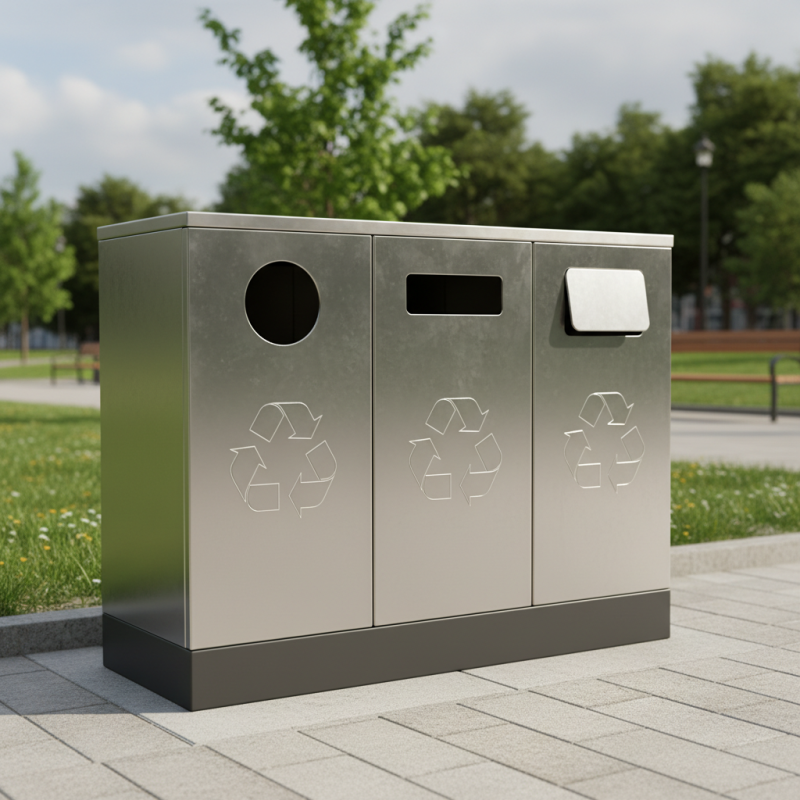
How to Choose the Best Commercial Metal Outdoor Recycle Bin?
Selecting the right Commercial Metal Outdoor Recycle Bin can significantly enhance your recycling efforts. These bins serve not only functional purposes but also contribute to the aesthetic of outdoor spaces. A quality recycle bin should withstand various weather conditions and heavy usage.
Consider durability and design when choosing your bin. Metal constructions are often favored for their strength and longevity. Be mindful of the size and capacity as well. You want something that fits your area while still encouraging waste sorting.
Though many options exist, some bins may not meet your expectations. Researching brands and reading reviews can help. Reflect on the bin's placement; visibility can impact usage. In the end, the perfect Commercial Metal Outdoor Recycle Bin is one that aligns with your needs while promoting sustainability.
Factors to Consider When Selecting a Commercial Metal Outdoor Recycle Bin
Choosing the right commercial metal outdoor recycle bin requires careful consideration. Look for durability. Metal bins withstand harsh weather conditions. They resist rust and damage better than other materials. Weight is also important. A heavier bin remains stable in windy areas.
Think about design. An effective recycle bin should be visually appealing. It should fit seamlessly into its environment. Choose colors that stand out yet complement the surroundings. Additionally, consider capacity. A well-sized bin will encourage recycling without becoming too full too quickly.
Accessibility plays a crucial role. Ensure the opening is easy for users to find. Proper signage helps guide people. However, be aware of maintenance needs. Metal bins may require regular cleaning to prevent rust and stains. Thoughtful selection makes a difference in promoting recycling efforts in public spaces.
Types of Materials Used in Commercial Metal Outdoor Recycle Bins
When selecting a commercial metal outdoor recycle bin, understanding the materials used is crucial. Metal bins typically feature stainless steel, aluminum, or galvanized steel. Stainless steel is resistant to rust and corrosion. It maintains its appearance over time, even in challenging weather. Aluminum is lightweight, yet sturdy. It is easier to transport, making it ideal for locations requiring frequent changes.
Galvanized steel is another popular option. It provides excellent protection against the elements. However, over time, it may show signs of wear. This material can dent or scratch, detracting from its appeal. Each metal type offers unique benefits. Users should consider durability, maintenance, and aesthetics when making a choice.
In terms of design, some bins feature powder coating. This finish enhances durability and adds color. Colors can help in recycling efforts by differentiating waste types. Nonetheless, coatings may wear off with time, revealing the metal beneath. Choosing the right material ultimately comes down to the specific needs of the location and the expected lifespan of the bin.
Capacity and Size Options for Outdoor Recycle Bins
When selecting an outdoor recycle bin, capacity and size play a crucial role. Different locations require different capacities. Smaller parks may need bins with a capacity of 30 to 50 gallons. Larger public spaces, like sports arenas, might benefit from bins holding 75 gallons or more. Consider the amount of foot traffic in your chosen area. High-traffic zones often need larger, more durable options.
Think about the bin's dimensions too. Space constraints can affect your choice. A slim design may fit well in crowded areas, while bulkier bins suit open spaces better. Additionally, review the weight of the bin when full. A heavier bin can deter theft but may hinder mobility for waste collection.
Not all bins are created equal. Some may seem functional but can quickly become a burden based on capacity and size. Evaluate your community's recycling needs and choose bins that align with them. This may require testing various options to find the best fit. Always keep in mind that a well-chosen bin can enhance recycling efforts and improve public acceptance.
Design Features that Enhance Usability and Accessibility
When selecting a commercial metal outdoor recycle bin, design features play a crucial role in usability and accessibility. A bin with clear labeling can significantly enhance user experience. Color-coded lids make it easier for users to identify which materials to dispose of. This simple feature encourages correct recycling practices and reduces contamination. In addition, having an open top or a wide opening can accommodate various types of recyclables. Users appreciate convenience when they're in a hurry.
Accessibility is another key consideration. Recycle bins should be placed at a height that is ergonomic for most users. This ensures that individuals of all abilities can access them easily. Furthermore, bins with a foot pedal or sensor can help minimize contact. This is especially important in high-traffic areas where hygiene is a concern.
Recyclable materials can also weigh differently. Some users might struggle with heavier items. Therefore, bins should be designed to support easy emptying. Integrating wheels or a lightweight construction can foster better mobility. Reflecting on these aspects can lead to improved public participation in recycling initiatives. Doing so reveals areas for growth in community engagement and environmental awareness.
Maintenance Tips for Long-lasting Performance of Recycle Bins
Maintaining outdoor recycle bins is crucial for their longevity and performance. Regular cleaning prevents build-up of grime and odors. Use a mild detergent and water to scrub the surfaces. A simple rinse can keep them looking new.
Proper placement also plays a role in maintenance. Place bins in sheltered areas to reduce exposure to harsh weather. This helps minimize rust and wear over time. Regularly check for any signs of damage. A small dent can lead to bigger issues if not addressed promptly.
Another tip involves monitoring the fill levels. An overflowing bin can attract pests and create litter around the area. Empty the bins regularly, especially during peak usage times. This keeps the environment tidy and encourages more people to recycle. Small efforts in upkeep go a long way in enhancing the overall lifespan of your recycle bins.
Performance Comparison of Different Materials for Outdoor Recycle Bins