How to Choose the Best Butterfly Valves for Sale?
Choosing the right butterfly valves for sale is crucial for optimal performance in various industries. According to a recent market report by Global Industry Analysts, the butterfly valve market is projected to reach approximately $6.7 billion by 2027. This growth emphasizes the need for selecting high-quality valves that meet specific operational requirements.
Industry expert Dr. Sarah Thompson notes, "Quality should never be compromised when selecting butterfly valves for sale." This highlights the significance of choosing durable and reliable options. However, many buyers face challenges in assessing valve specifications and materials. Technical jargon can be overwhelming, leading to poor purchasing decisions.
Understanding the key features and applications of butterfly valves can make a significant difference. Details like material compatibility and pressure ratings are essential. Yet, not all suppliers provide clear information, creating confusion. In a market with diverse products, buyers must remain vigilant. Making informed choices is vital to ensure long-lasting and efficient operations.
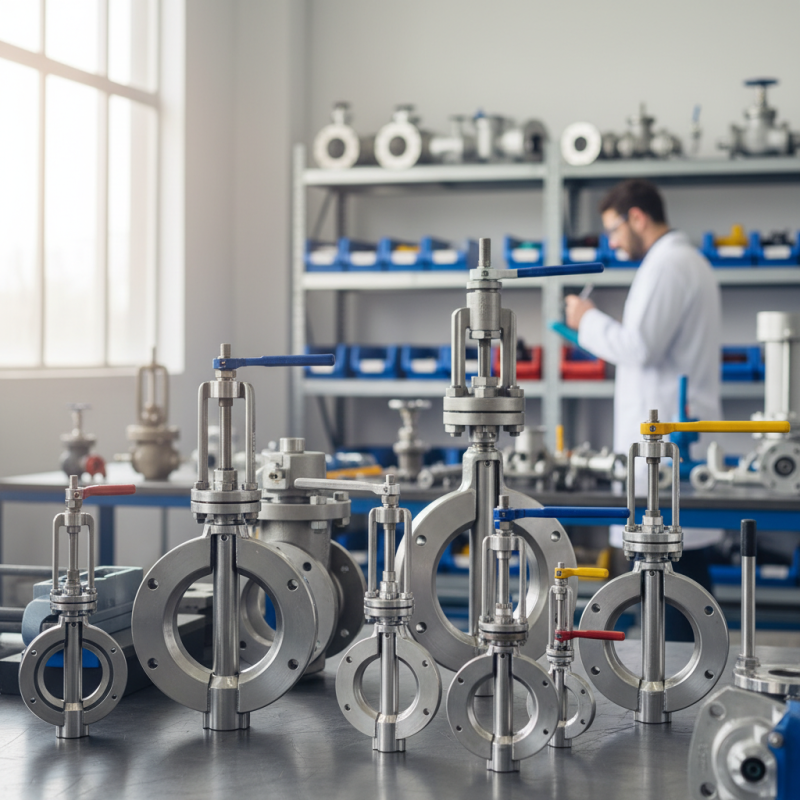
Understanding Butterfly Valves: Types and Applications
When it comes to selecting butterfly valves, understanding their types and applications is crucial. Butterfly valves are quarter-turn valves used to regulate flow in piping systems. They come in several types, including resilient-seated, high-performance, and flange-mounted. Each type serves distinct purposes based on the pressure and temperature conditions.
Resilient-seated valves are commonly used in water supply systems. They offer a tight seal when closed, making them ideal for liquid flow. High-performance valves, on the other hand, are suitable for gas and high-temperature applications. Flange-mounted types provide a secure fit in industrial settings, but installation can be more complex.
Tips: When choosing a butterfly valve, consider the material compatibility with the fluid. This can prevent corrosion issues. Also, examine the flow characteristics to ensure efficient operation. A mistake here can lead to operational inefficiencies. Not everyone considers maintenance requirements, and this can be a regrettable oversight. Always think ahead. Evaluate whether you need manual or automated control for better efficiency.
Key Factors to Consider When Choosing Butterfly Valves
Choosing the right butterfly valve requires attention to several key factors. The valve material is essential. For example, if it’s used in corrosive environments, stainless steel may be a good choice. On the other hand, plastic options might suffice for less demanding applications. Consider your specific needs.
Another crucial aspect is the size of the valve. Too large or too small can lead to issues. The flow rate affects performance and efficiency. Measure carefully. A poorly sized valve can cause excessive wear or failures.
Tips: Check the pressure rating. A mismatch can result in leaks. Also, think about the installation space. Some designs require more room than others. Ensuring compatibility will save time and resources later.
Don’t overlook the actuator type. Manual, electric, or pneumatic options each have benefits and limitations. Consider your operational needs. Reflect on past experiences. What worked? What didn’t? This evaluation can guide future choices.
Material Selection for Durable Butterfly Valves
Choosing the right material for butterfly valves is crucial. Different materials offer unique benefits and drawbacks. Common options include stainless steel, ductile iron, and PVC. Stainless steel is strong and corrosion-resistant. It works well in harsh environments but can be expensive.
Ductile iron is durable and less costly. However, it can rust if not properly coated. PVC is lightweight and resistant to chemicals. Yet, it may not withstand high temperatures. Each material has its limits. Understanding these can help you avoid costly mistakes.
Consider your application needs. Factors like temperature, pressure, and fluid type matter. If your valve will handle corrosive fluids, stainless steel might be necessary. But for simple applications, PVC could suffice. It’s essential to weigh the pros and cons carefully. The right choice can enhance performance and longevity.
Material Selection for Durable Butterfly Valves
Sizing and Pressure Ratings for Optimal Performance
When selecting butterfly valves, sizing and pressure ratings play crucial roles. Proper sizing ensures that the valve fits well within the pipeline system. An oversized valve may lead to flow disruptions. Conversely, an undersized valve could cause excessive pressure and reduce efficiency.
When choosing a valve size, consider the flow rate and the diameter of the pipe. The flow rate impacts the valve's ability to control fluid movement effectively. If the flow is too high, the valve may not perform optimally. Ensure to match the valve's size with the maximum potential flow.
Tips: Measure the diameter of the pipe accurately. Understand the system's pressure requirements. Always refer to technical specifications.
Pressure ratings are also essential. They indicate the maximum pressure the valve can withstand. Choosing a valve with the correct pressure rating is vital to prevent leaks and failures. Underestimating the pressure needs can be costly.
Valves should match the fluid type and temperature. This factor can impact the valve's performance. Sometimes, it’s easy to overlook these details, thinking they are not significant. However, they can make a big difference.
Where to Find Reliable Butterfly Valves for Sale
When searching for reliable butterfly valves for sale, consider a few critical aspects. Start by examining manufacturers’ certifications. This can ensure that the valves meet industry standards. According to a recent industry report, approximately 30% of butterfly valves fail quality checks. This statistic highlights the importance of scrutinizing suppliers.
Next, investigate local distributors. Reliable suppliers often have a good reputation within their communities. Reviews and testimonials can provide valuable insights. In fact, studies show that vetted suppliers help reduce installation issues by up to 25%. This is vital for long-term performance.
Price is another factor. While cheaper options may seem attractive, they often compromise quality. A survey indicates that 40% of buyers regret choosing the lowest bid. Investing in quality valves could prevent future expenses related to replacements. By doing thorough research, buyers can find long-lasting solutions.