Why Choose a 240v Ev Charger for Your Electric Vehicle?
As the electric vehicle (EV) market continues to grow, choosing the right charging solution becomes crucial. A report from the International Energy Agency indicates a significant increase in global EV sales, reaching approximately 10 million units by 2023. This surge highlights the need for efficient charging options, particularly the 240v Ev Charger.
The advantages of a 240v EV charger are notable. It offers faster charging times compared to standard 120v chargers, making it a popular choice among EV owners. According to a study by the U.S. Department of Energy, using a 240v charger can cut charging time in half, allowing drivers to quickly regain range. However, potential users must consider installation costs and electrical requirements, which can vary by location.
Many EV owners report a more convenient experience with 240v chargers. They provide more robust charging at home, supporting daily commutes and long trips. Yet, some users may overlook the permit regulations involved in installation, which can lead to unexpected delays. Adopting a well-planned approach ensures a smooth transition to this essential EV infrastructure.
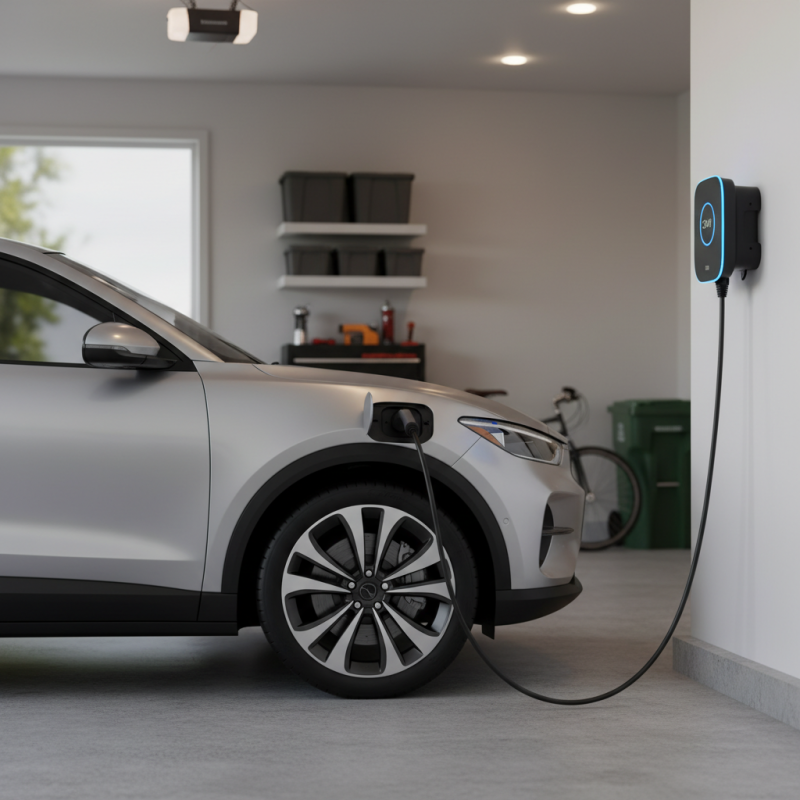
Benefits of Using a 240v EV Charger for Electric Vehicles
When considering an electric vehicle (EV), choosing a 240v EV charger can significantly enhance your charging experience. One major benefit is the faster charging speed. Compared to standard 120v chargers, a 240v charger can fully recharge your vehicle in a fraction of the time. This is especially beneficial for daily commuters or those who rely on their EVs for long-distance travel.
Tip: Assess your daily driving habits. If you drive extensive distances regularly, a 240v charger may save you time and reduce range anxiety.
Another advantage is the efficiency of energy use. A 240v charger typically has a higher output, translating to less wasted energy. This means you may pay less over time compared to slower chargers. Additionally, the convenience of overnight charging becomes more viable, allowing you to start each day with a full battery.
Tip: Install the charger close to your parking area. This minimizes cable length and potential energy loss during charging.
Reliability is also key. A well-installed 240v charger can offer consistent performance with minimal downtime. However, choosing an experienced technician for installation is crucial. Poor installation can lead to issues, reflecting the importance of quality in decision-making.
Comparison of 240v vs. 120v Chargers: What You Need to Know
When it comes to charging your electric vehicle, the choice between a 240v and a 120v charger can significantly impact your driving experience. A 240v charger delivers more power, reducing charging time substantially. For those who rely on their vehicles daily, this speed is crucial. In contrast, a 120v charger is slower, making it less ideal for frequent use. Many drivers may find that relying on a 120v charger means extended downtime for their vehicles.
Transitioning to a 240v charger also offers better efficiency. With quicker charging times, you can plan your trips without worrying as much about charge levels. However, not everyone may realize the need for a dedicated electrical circuit for the 240v option. Installation can be costly and requires proper electrical work, which may discourage some users. Reflecting on this aspect can lead to better-informed decisions for your specific needs.
Tips: Consider your daily driving distances. If you travel long distances regularly, investing in a 240v charger is wise. Check local regulations and seek professional installation. A poorly installed charger can lead to safety hazards. Ultimately, weighing the pros and cons will guide you to the most suitable choice for your electric vehicle.
Comparison of 240v vs. 120v EV Chargers
Installation Considerations for 240v EV Charging Stations
When considering a 240V EV charger, installation plays a pivotal role. A proper setup ensures efficient energy transfer and minimizes charging time. According to the U.S. Department of Energy, Level 2 chargers, which operate at 240 volts, can recharge an electric vehicle up to six times faster than standard 120V outlets. This efficiency can significantly impact the overall convenience of owning an EV.
Choosing a suitable location for installation is crucial. Ideally, the charging station should be close to your vehicle's parking spot. This proximity minimizes the need for long, expensive electrical runs. Additionally, ensure that your electrical panel can handle the extra load. Studies indicate that older homes may require panel upgrades. This can add to the installation cost and lengthen the project timeline.
Hiring a qualified electrician is vital. They can assess your home's electrical capacity and local codes. Compliance with these regulations is essential to ensure safety and reliability. Some regions require permits for EV charger installations. Ignoring this can lead to fines or unsafe conditions. Therefore, investing in professional guidance is not just a smart choice; it’s a necessary step in creating a reliable charging solution for your electric vehicle.
Cost Analysis: 240v Charger vs. Other Charging Options
When considering the cost of charging an electric vehicle, the 240v charger stands out. It provides faster charging times compared to 120v options. This efficiency can save you time, especially for daily commutes. With a 240v charger, you can fully charge most EVs in just a few hours. In contrast, using a 120v outlet can take overnight or even longer.
Analyzing costs involves more than just the purchase price. Installation of a 240v charger may require professional help, adding to initial expenses. However, the long-term savings can be significant. Faster charging means less downtime. If you frequently rely on your vehicle, a 240v charger can be more cost-effective in the long run.
On the flip side, not everyone needs fast charging capabilities. If your driving habits are low-mileage and you can charge overnight, a lower voltage may suffice. Each situation is unique, and understanding your driving patterns is essential. Analyzing your needs will help you make an informed choice about charging options.
Future-Proofing Your EV Charging Infrastructure with 240v Chargers
When considering the charging infrastructure for electric vehicles, 240v chargers offer a robust solution. These chargers enhance the efficiency of charging, providing faster power delivery for a range of electric vehicles. This capability is crucial as more drivers transition to electric vehicles, making the need for dependable, quick charging options paramount.
Future-proofing your EV charging setup involves anticipating growth. Many regions are moving towards a greener future, and the demand for EVs will continue to rise. A 240v charger can accommodate these changes, making it ideal for household installation or public charging stations. By opting for a 240v system, you ensure your charging solution remains relevant as technology evolves.
However, considerations must be made regarding installation. Not all homes may be equipped to handle a 240v charger. Upgrading electrical systems can be costly and require professional assistance. It's vital to assess your current infrastructure and plan accordingly to avoid potential issues in the future. Exploring this technology means being prepared for both short-term gain and long-term investment.