Blog
How to Choose the Best Horizontal Machining Center for Your Needs?
Choosing the right horizontal machining center is crucial for your manufacturing needs. The market is filled with options, making the selection process overwhelming. A horizontal machining center excels in handling complex parts with precision. Its design allows for efficient chip removal, which is vital for high-volume production.
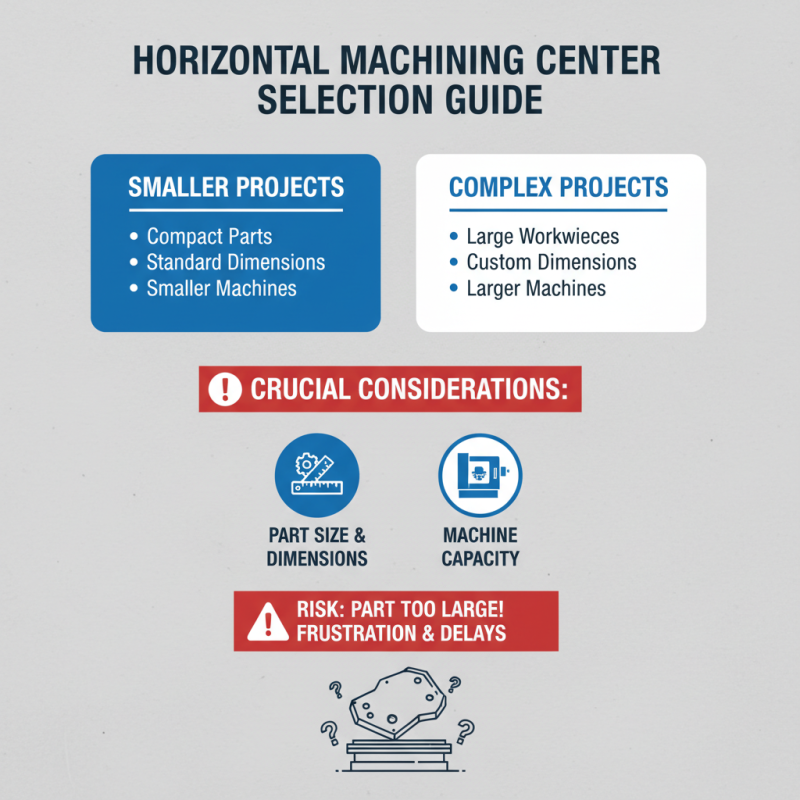
When considering a horizontal machining center, there are key factors to examine. Think about the size of parts you plan to produce. Do you require extended tooling capabilities? Evaluate the machine's axis capabilities and its reliability. These aspects directly impact your efficiency and cost-effectiveness.
The choice is not just about features. Understand your specific needs and production goals. Be aware that each option has its limitations. Assessing your requirements might reveal gaps in what you originally considered essential. A machine may have advanced capabilities but could fall short in daily operations. Prioritize what truly matters for your workflow, and make an informed decision.
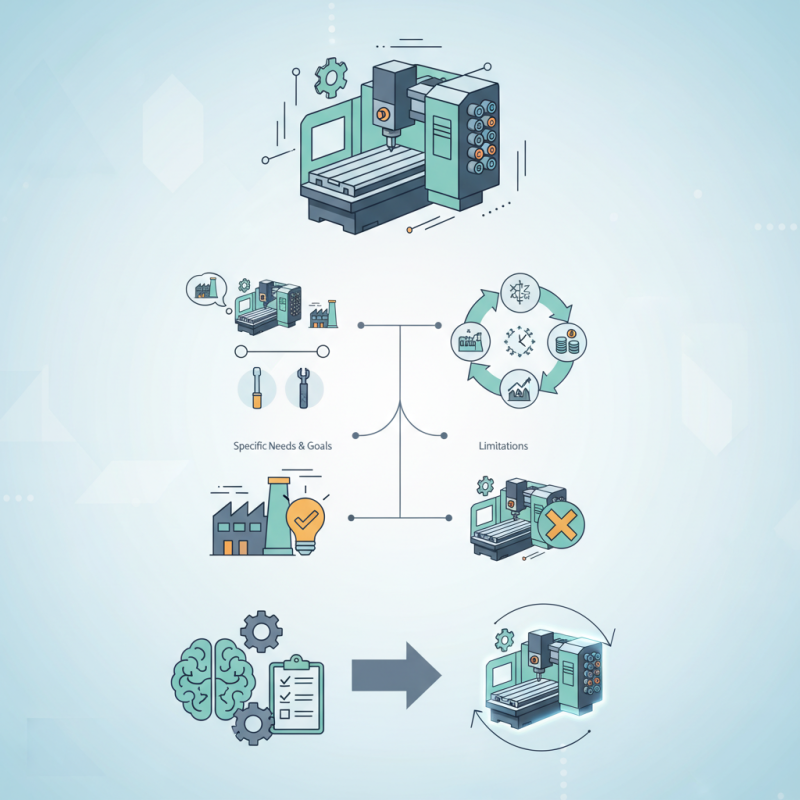
Understanding Horizontal Machining Centers and Their Applications
Horizontal machining centers are vital in modern manufacturing. They excel in precision machining and are ideal for complex parts. With a horizontal orientation, they allow gravity to aid chip removal, enhancing efficiency. According to a market analysis by ResearchAndMarkets, the global horizontal machining center market was valued at $5.2 billion in 2023, and it is expected to grow steadily.
These machines are widely used in industries such as aerospace and automotive. Their ability to handle heavy materials makes them suitable for producing intricate components. However, choosing the right one requires careful consideration. Not all horizontal machining centers are the same. Some may lack certain features, which could impact productivity.
It's crucial to assess your specific needs and production volumes. Many users report unanticipated challenges when integrating new equipment. Compatibility with existing systems and tools is often overlooked. Regular maintenance and operator training are essential for maximizing utilization. Understanding these machines and their applications can significantly enhance manufacturing capabilities, but it requires a nuanced approach.
How to Choose the Best Horizontal Machining Center for Your Needs?
| Feature/Dimension | Description | Importance |
|---|---|---|
| Worktable Size | Dimensions of the worktable to accommodate specific part sizes. | Essential for fitting the components you frequently work on. |
| Spindle Speed | Maximum speed the spindle can achieve, measured in RPM. | Determines the machining speed and surface finish quality. |
| Tool Capacity | Number of tools the machine can hold. | Important for reducing downtime during setup and tool changes. |
| Axis Travel | Movement limits of the axes in X, Y, and Z directions. | Crucial for the size and complexity of parts that can be machined. |
| Control System | Type of CNC control used for operation. | Affects ease of use, programming capabilities, and integration with CAD/CAM. |
| Accuracy and Tolerance | Precision and repeatability of machining operations. | Critical for industries requiring high precision, such as aerospace. |
| Price Range | Cost of the machining center. | Important for budgeting and financial planning. |
Related Posts
-
Top 10 Benefits of Using Horizontal Machining Centers for Efficient Manufacturing
-
The Consistent Quality of Trusted Chinese Manufacturers in Best Milling Machines
-
10 Essential Insights About CNC Metal Milling Machines You Should Know
-
Exploring the Top Alternatives to Best CNC Turning for Precision Manufacturing
-
How to Choose the Best CNC Metal Milling Machine for Your Projects in 2025
-

What is CNC Machine Tools and How They Transform Modern Manufacturing