Blog

China Best Egg Packaging Machine Manufacturers?

Choosing the right Egg Packaging Machine manufacturer in China requires more than comparing prices and glossy factory photos. A reliable supplier should understand egg handling, tray compatibility, line speed, and hygiene requirements. Small details matter. A gentle conveyor can reduce cracks during transfer. Accurate sensors can prevent empty pockets and misaligned cartons. Easy-to-clean surfaces also support safer daily operation.

This guide examines China’s leading manufacturers through practical criteria, not unverified popularity claims. We consider manufacturing experience, engineering capability, quality control, export service, and customer support. Factory audits, machine demonstrations, spare-parts availability, and installation assistance can reveal more than a sales brochure. Buyers should also request production samples using their own egg sizes and packaging materials. That test often exposes problems early.

No supplier is perfect. Some manufacturers offer strong automation but limited overseas support. Others provide flexible customization but need longer delivery times. These trade-offs deserve honest attention. Pricing alone can be misleading when maintenance, training, shipping, and downtime are included. The best choice depends on farm scale, labor costs, packaging formats, and future expansion plans. This overview aims to help importers, distributors, and food producers compare Chinese manufacturers with clearer expectations. It also encourages careful verification, because a confident promise is not the same as proven performance.
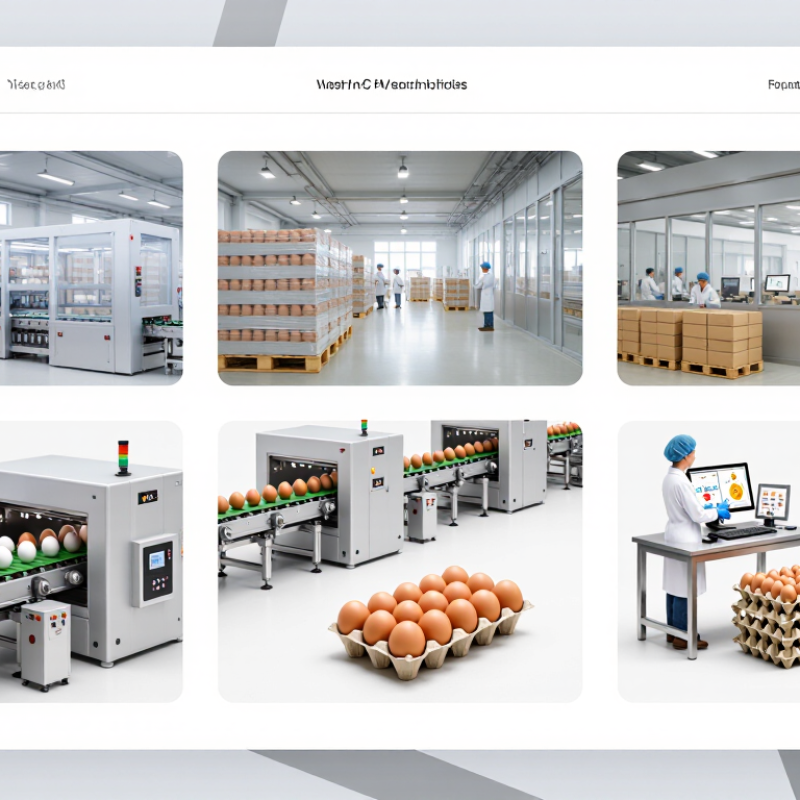
China Best Egg Packaging Machine Manufacturers?

What Is an Egg Packaging Machine and How Does It Work?

An Egg Packaging Machine is an automated system that sorts, counts, and places eggs into cartons or trays. It reduces hand contact and helps maintain consistent packing speed. In a typical line, eggs move gently on soft conveyor belts. Sensors detect their position, size, and sometimes shell color. The machine then directs each egg toward the correct packing lane.

The process begins with careful transfer from the grading section. Rotating cups or soft rollers lift eggs without sudden drops. A counting unit checks every position before the carton advances. Empty spaces can trigger an alarm or stop the line. Operators adjust speed, carton size, and egg spacing through a control panel. From practical use, stable feeding matters as much as machine speed. A fast machine still fails when belts slip or cartons arrive unevenly. That detail is easy to underestimate.

Tips: Check the machine’s cleaning access, sensor accuracy, and emergency stops before purchase. Ask for operating records, maintenance guidance, and technician training. Test several carton sizes with real eggs, not only sample materials. Also inspect noisy bearings and loose guides during routine checks. Small faults grow quickly. Reliable manufacturers should provide clear specifications and measurable production data. Include a short trial period when possible, because factory conditions rarely match a showroom demonstration.

Key Features of China-Made Egg Packaging Machines

China-made egg packaging machines now combine practical automation with flexible production controls. In plant trials, adjustable carton guides help operators handle different egg sizes with fewer manual changes. Servo-driven movements improve placement accuracy and reduce sudden impacts. That matters when shells are thin or slightly irregular.

A programmable control system manages feeding, counting, tray forming, and carton closing. Touchscreen settings make speed changes easier during daily production. Optical sensors can detect missing eggs, tilted trays, and feeding interruptions. Useful details include stainless steel contact parts, guarded drive systems, and accessible cleaning areas. Some models support conveyors, date printers, and automatic pallet transfer. Check the actual configuration carefully.

No machine is perfect. Faster operation can increase breakage if the infeed timing is poorly adjusted. Dust, shell fragments, and unstable cartons may also affect sensors. Experienced suppliers should provide test runs using the buyer’s eggs, trays, and cartons. They should explain output rates under real conditions, not only laboratory figures. Ask for maintenance intervals, spare-part availability, electrical specifications, and operator training. A reliable evaluation includes noise, cleaning time, changeover effort, and rejection accuracy. These points often reveal more than a polished brochure. Proper guarding and documented operating procedures remain essential for safe, consistent use.

China Best Egg Packaging Machine Manufacturers? – Key Features of China-Made Egg Packaging Machines

Commercial egg packaging machines commonly handle several standard pack formats. The chart compares the number of eggs contained in widely used retail and food-service packages, helping buyers evaluate format flexibility when selecting an automated packaging line.

A machine that supports multiple pack sizes can improve production flexibility. When comparing equipment, also review changeover time, conveyor synchronization, egg handling protection, carton or tray compatibility, sealing accuracy, inspection options, and washdown-friendly construction.

Types of Egg Packaging Machines Available from Chinese Manufacturers

China Best Egg Packaging Machine Manufacturers?

Chinese manufacturers offer several egg packaging machine types for farms, processors, and distribution centers. Tray packing machines place eggs into molded pulp or plastic trays. They suit standard counts and protect shells during short-distance transport. Carton packing machines load eggs into retail cartons with fixed compartments. They support neat presentation and faster shelf preparation.

Automatic egg grading and packing lines combine inspection, weighing, sorting, and packing. They can separate eggs by weight and direct them into different packages. Robotic pick-and-place systems use gentle suction cups or mechanical holders. They work well with cartons, trays, and customized packs. Case packers then move filled packages into larger shipping boxes. This reduces repetitive manual handling.

Shrink-wrapping machines group trays with transparent film. They provide a compact outer layer, but film tension needs careful adjustment. Otherwise, damaged shells may increase. When assessing a Chinese manufacturer, request a live test with your egg sizes and package materials. Check conveyor speed, cleaning access, spare parts, and operator training. Ask for breakage records from similar installations. A lower purchase price can become expensive if the machine needs frequent adjustment.

In practice, no machine fits every farm. I once assumed higher speed meant better output. That was too simple. Product stability, maintenance skills, and local power conditions also matter. A reliable supplier should explain these limits clearly, not only present impressive production figures.

How to Evaluate China’s Egg Packaging Machine Manufacturers

Evaluating China’s egg packaging machine manufacturers requires more than comparing online prices. Inspect their experience with your egg size, tray type, and daily output. A supplier handling 30,000 eggs per hour may not suit a smaller farm. Ask for production videos, factory references, and a live machine trial.

Watch the machine during testing. Check conveyor alignment, carton feeding, sensor accuracy, and rejection control. Eggs should move gently, without sudden drops or cracked shells. Request data on changeover time, compressed-air use, and spare-part availability. These details affect operating costs more than a low quotation. Technical drawings and clear electrical specifications also reveal the manufacturer’s engineering discipline.

Do not rely only on certificates. Verify whether quality systems match the actual workshop. Ask who assembles control cabinets and how final inspections are recorded. Reliable manufacturers provide manuals, operator training, and responsive remote support. Service promises need written response times. I have seen attractive machines lose value because one small sensor took weeks to replace. That mistake is easy to repeat. A careful buyer should inspect welds, guarding, sanitation-friendly surfaces, and emergency stops personally. Factory visits are useful, but rushed visits can still miss weak after-sales procedures. Personally, I would request sample cartons from your own eggs before signing. Small differences in shell shape can expose problems early.

China Best Egg Packaging Machine Manufacturers? - How to Evaluate China’s Egg Packaging Machine Manufacturers

Evaluation Dimension What to Verify Practical Reference or Benchmark Suggested Weight Evidence to Request
Product and Egg Compatibility Confirm compatibility with egg size, shell strength, tray format, carton format, and packing orientation. The machine should be tested with representative eggs and the exact packaging materials used in production. 15% Sample test report, approved product specifications, packaging drawings, and test videos using similar eggs.
Rated Production Capacity Compare rated speed with required output, while considering changeover time, loading interruptions, and rejected eggs. Typical systems may be specified from several thousand to tens of thousands of eggs per hour, depending on automation level and configuration. 12% Factory acceptance test results showing continuous operating speed and actual throughput.
Handling Accuracy and Breakage Control Evaluate egg transfer, alignment, drop height, conveyor synchronization, and protection against shell cracks. A reliable supplier should define measurable breakage, misplacement, and rejection rates under agreed operating conditions. 15% Recorded trial data, inspection method, operating assumptions, and customer references with comparable products.
Automation and Control System Check sensor coverage, alarm functions, recipe management, emergency stops, data access, and operator interface language. Automated lines should provide fault alerts, controlled speed adjustment, and safe restart procedures after stoppage. 10% Electrical drawings, software function list, control-panel photos, and a live or recorded demonstration.
Food-Contact Materials and Hygiene Inspect product-contact surfaces, weld quality, drainage, cleaning access, lubrication points, and material certificates. Stainless steel is commonly used in food-processing equipment; the exact grade and use should be confirmed for each contact component. 10% Material certificates, hygienic design drawings, cleaning instructions, and food-contact declarations where applicable.
Packaging Material Flexibility Determine whether the machine handles pulp trays, plastic trays, cartons, sleeves, labels, or multiple formats. Format changes should be clearly documented, including tooling requirements, adjustment points, and expected changeover time. 8% Packaging compatibility list, changeover procedure, tooling quotation, and format-change video.
Electrical and Utility Requirements Check voltage, frequency, connected load, compressed-air pressure, air consumption, drainage, and installation environment. Electrical specifications vary by destination; common industrial supplies include 220 V or 380 V systems at 50 Hz, subject to local confirmation. 7% Utility consumption sheet, wiring diagram, installation layout, and site-preparation checklist.
Safety and Export Compliance Review guarding, interlocks, emergency-stop circuits, risk assessment, manuals, and destination-market requirements. Compliance must match the importing country; an export certificate alone does not replace a destination-specific conformity review. 8% Declaration of conformity where applicable, risk assessment, safety-circuit details, user manual, and inspection records.
Manufacturing and Quality Control Assess engineering capability, machining quality, assembly inspection, traceability, and supplier control for critical components. A capable manufacturer should use documented inspection procedures and provide consistent drawings, specifications, and revision control. 8% Factory audit, quality certificates, inspection checklist, production photographs, and component traceability records.
Installation, Training, and Commissioning Confirm installation scope, remote or on-site support, operator training, commissioning criteria, and language of documentation. The contract should define acceptance criteria, training duration, required customer personnel, and responsibility for site utilities. 5% Installation plan, training agenda, commissioning checklist, acceptance protocol, and service response process.
Spare Parts and After-Sales Service Evaluate spare-parts availability, recommended stock, troubleshooting support, warranty terms, and response times. Critical wear parts should be identified before purchase, with part numbers, service intervals, and replacement procedures. 7% Spare-parts list, warranty policy, service organization chart, technical support channels, and reference installations.
Total Cost of Ownership Compare purchase price with tooling, shipping, installation, energy, compressed air, labor, maintenance, downtime, and spare parts. The lowest initial quotation is not necessarily the lowest-cost solution over its operating life. 5% Itemized quotation, five-year operating-cost estimate, energy data, maintenance schedule, and replacement-part pricing.
Evaluation note: The benchmarks above are general industry reference points rather than guarantees. Final selection should be based on a documented test using the buyer’s eggs, packaging materials, utilities, target capacity, and destination-market compliance requirements.

Purchasing, Installation, and After-Sales Service Considerations

When comparing egg packaging machine manufacturers in China, buyers should inspect more than output claims. Request a live test using eggs similar in size, shell strength, and moisture. Watch the conveyor, grading interface, carton loading, and rejection points. Ask for documented capacity, power demand, compressed-air needs, and acceptable breakage rates. A clear quotation should separate the machine, tooling, spare parts, shipping, and training. Low prices can hide practical costs. Do not skip reference checks.

Before delivery, confirm floor dimensions, drainage, electrical standards, and space for maintenance access. Installation drawings should show cable routes and air connections. Ask whether technicians provide on-site commissioning or remote guidance. During setup, operators should learn sensor adjustment, belt tensioning, cleaning procedures, and emergency stops. A short training session is rarely enough for every shift worker. I would record test results for several hours, not just accept a successful demonstration. A clean installation can still fail if the staff cannot adjust it.

After-sales support deserves written details. Confirm response times, warranty coverage, spare-part availability, and software update procedures. Keep common items nearby, such as sensors, belts, bearings, and carton guides. Ask for troubleshooting videos and illustrated manuals in a language operators understand. One overlooked detail is escalation: who handles repeated faults after normal support fails? A low breakage rate during testing may not continue under seasonal pressure. That possibility needs honest discussion. Reliability grows from records, training, and realistic promises.

↑