Top China Bus Production Line Insights for Global Buyers?
The global bus industry is rapidly evolving, driven by demands for efficiency and sustainability. The Bus Production Line is at the forefront of this transformation. According to a recent report by Mordor Intelligence, the bus manufacturing market is projected to grow at a CAGR of 5.8% from 2023 to 2028. This growth presents unique opportunities for buyers worldwide.
China stands as a dominant player in bus production, offering diverse models that leverage advanced technology. The nation's production lines emphasize automation and precision, leading to higher quality and lower production costs. Industry reports indicate that Chinese manufacturers contribute to over 40% of the global bus supply, underscoring their influence. However, potential buyers should reflect on challenges, such as varying quality standards and the need for robust after-sales support.
As the reliance on public transportation increases, understanding the latest trends in bus production is essential. Buyers must navigate a complex landscape filled with options. The insights gained from observing China's Bus Production Line can inform decisions, ensuring alignment with market needs. This evolving sector demands keen awareness and adaptability from global buyers as they seek reliable partnerships.
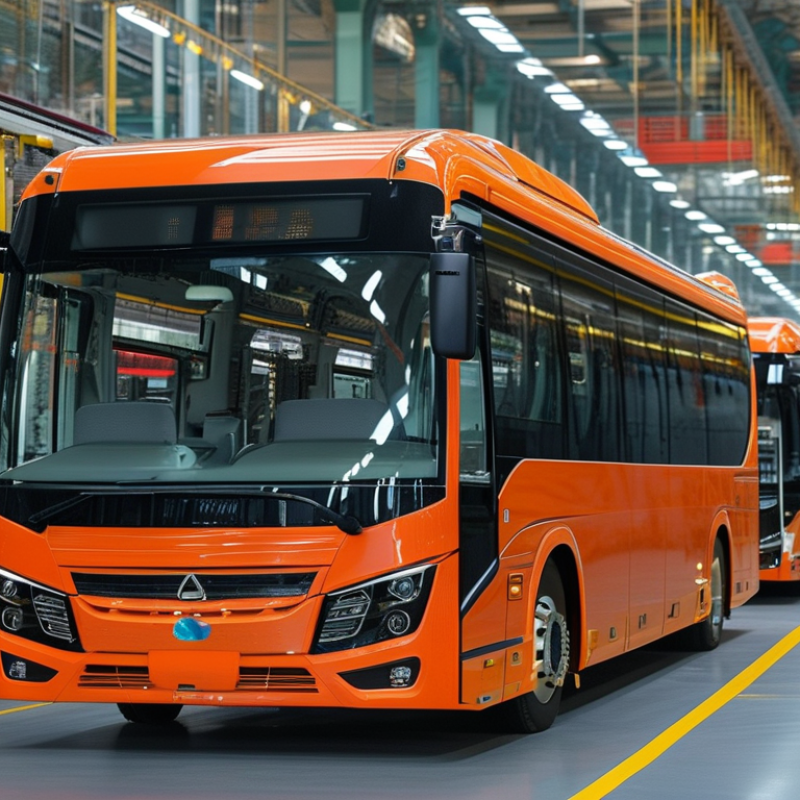
Overview of China's Bus Production Industry
China's bus production industry has become a significant player in the global market. It boasts a diverse range of vehicles, catering to varying consumer needs. The production methods are increasingly automated, enhancing efficiency and output. However, this rapid growth brings challenges, such as maintaining quality control. Additionally, the industry's environmental impact has raised concerns among global buyers.
Manufacturers focus on electrical and hybrid buses to align with global sustainability trends. Innovations in battery technology and energy efficiency are notable. Yet, quality assurance remains a critical aspect. Many factories struggle to match high standards consistently. The expertise of employees varies widely, affecting production consistency. Furthermore, supply chain disruptions can impact delivery times, leading to potential delays for international clients.
Collaboration between manufacturers and buyers is essential for success. Establishing clear communication can lead to better mutual understanding. Continuous feedback loops can drive improvement, ensuring that the end products meet expectations. Engaging with local expertise can help mitigate some production issues. Despite the challenges, China's bus production industry shows promise for global buyers looking for reliable options.
Key Players in China's Bus Manufacturing Sector
China's bus manufacturing sector has seen significant growth in recent years. According to a report by the China Association of Automobile Manufacturers (CAAM), production reached approximately 600,000 buses in 2022. This figure indicates a robust demand, driven by urbanization and public transportation needs. Key players include both state-owned enterprises and private manufacturers, forming a competitive landscape.
Significant players in this industry hold substantial market shares. Research shows that around 10 companies dominate about 70% of the market. These companies prioritize innovation and sustainability in manufacturing processes. Electric buses represent a crucial segment, with electric models constituting nearly 30% of overall bus production.
However, challenges exist despite the rapid growth. Many manufacturers face supply chain disruptions, particularly in sourcing raw materials. Quality control is another area needing attention, as inconsistent standards can affect product reliability. Striking a balance between innovation and operational efficiency remains a challenge for growth-oriented manufacturers in this dynamic market.
Technological Innovations in Bus Production Lines in China
China's bus production lines are evolving at a remarkable pace. Technological innovations play a crucial role in this transformation. Automated systems now streamline assembly, reducing labor costs and improving speed. Robotics enable precision in manufacturing, minimizing errors and enhancing quality control. Advanced software solutions facilitate real-time monitoring. This ensures that production adheres to strict safety standards.
Electric and hybrid technology has become increasingly prominent. As urban areas shift toward sustainability, these innovations help meet green energy goals. Manufacturers incorporate energy-efficient designs. Lightweight materials are now utilized, which reduces overall vehicle weight and enhances fuel efficiency. However, the transition to greener technologies is not without challenges. The initial costs of these technologies can be high, which often raises concerns for some buyers. Moreover, the learning curve for staff in operating new systems needs continuous training and adaptation.
Digitization is reshaping operations beyond just production. Data analytics assist in predicting market trends and consumer behavior. This proactive approach helps manufacturers stay ahead. Despite these advancements, some companies may struggle with integration. Balancing innovation with existing practices requires careful planning and execution. As the global demand for buses continues to rise, China's advancements may set new industry standards.
Quality Control Standards and Regulations in Chinese Bus Manufacturing
In the realm of Chinese bus manufacturing, quality control is paramount. Manufacturers adhere to strict standards to ensure safety and reliability. Multiple assessments occur throughout the production process. This includes raw material inspections and assembly line evaluations.
Each component undergoes rigorous testing. For instance, brake systems must meet stringent safety criteria. This can create delays, as not all parts pass on the first try. Some manufacturers report a 15% rework rate on critical components. It highlights the importance of thorough checks and balances.
However, challenges linger in maintaining consistent quality. Variations in supplier standards can create discrepancies. Some manufacturers struggle to enforce uniformity across all components. This inconsistency can lead to reliability issues. Global buyers should be aware of these potential pitfalls. Understanding the quality landscape is essential for making informed purchasing decisions.
Market Trends and Opportunities for Global Buyers in China
China's bus manufacturing sector is experiencing significant growth, fueled by rising global demand. According to a recent report by the International Bus and Coach Association, China's bus production increased by 15% in the last fiscal year. This surge is attributed to innovations in electric and hybrid technologies. As global buyers look to modernize fleets, opportunities in China’s eco-friendly bus segment become increasingly appealing.
Moreover, the market for electric buses is expanding, with predictions estimating a growth rate of 20% annually over the next five years. Cities worldwide are shifting focus toward sustainable transportation options. Chinese manufacturers are well-positioned to meet this demand by offering competitively priced electric vehicles that meet international standards. However, buyers may face challenges in navigating regional regulations and varying quality standards. This uncertainty necessitates careful evaluation of suppliers and their production capabilities.
Finally, partnership with local experts can enhance market entry strategies. Engaging with consultants who understand the local landscape can aid in identifying reputable manufacturers. Incorporating these insights will enable global buyers to tap into China’s bus production advancements effectively. A thorough analysis of market trends is vital for making informed decisions in this evolving industry.