What Is the Best Short Hydraulic Jack from China?
Choosing the best Short Hydraulic Jack from China requires more than comparing prices or polished product photos. Capacity, minimum height, lifting range, oil leakage control, and release precision matter in real workshops. A jack rated for 20 tons may still disappoint if its base twists on uneven concrete. That detail is easy to miss.
Hydraulic motion-control specialist Peter Nachtwey offers a useful principle: “A hydraulic system must be judged by its motion, not only by its pressure.” This idea fits lifting equipment closely. A dependable Short Hydraulic Jack should rise steadily, hold its load without noticeable drift, and lower smoothly under control. Buyers should examine cylinder machining, seal quality, weld consistency, relief-valve protection, and factory testing records. ISO-based quality procedures can support confidence, but certificates alone never replace practical inspection.
Look closely at the details.
Chinese manufacturers offer many strong options, yet quality varies between factories and production batches. The best choice depends on the vehicle, working clearance, expected load, and service environment. A compact jack for roadside repairs may need portability and a low saddle. A repair shop may value durability, faster pumping, and replaceable seals instead. Supplier communication also matters. Ask for load-test videos, dimensional drawings, material information, warranty terms, and traceable inspection data.
There is no perfect model. Even a well-designed Short Hydraulic Jack can fail when overloaded, placed on unstable ground, or maintained poorly. That uncomfortable point deserves attention. The safest buying decision combines verified specifications, hands-on testing, and a supplier willing to answer precise technical questions.
What Defines a Short Hydraulic Jack and Its Main Applications
What Is the Best Short Hydraulic Jack from China?
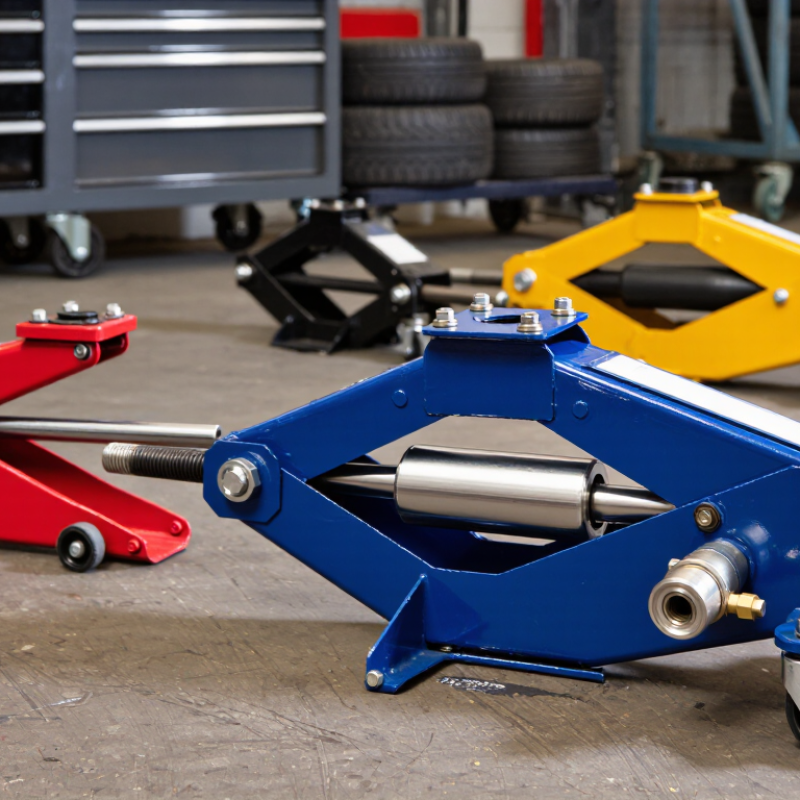
A short hydraulic jack has a low collapsed height and a compact body. It fits beneath vehicles with limited ground clearance. Most models use a steel lifting saddle, hydraulic cylinder, release valve, and long handle. Their main value is access, not maximum lift height. Common applications include passenger cars, light trucks, agricultural equipment, workshop machinery, and construction maintenance.
China’s Association of Automobile Manufacturers reported 31.436 million vehicle sales in China during 2024. That volume supports continuing demand for practical service equipment. However, a jack’s capacity must match the real load, not the vehicle’s empty weight. OSHA 29 CFR 1910.244(a) requires marked capacity, regular inspection, and blocking for raised loads. ASME PASE-2019 also provides safety guidance for portable automotive service equipment. These references matter when evaluating export products, test records, and operating instructions.
Tips: Check the minimum height before comparing lifting capacity. Measure the vehicle’s lifting point first. Look for overload protection, a stable base, clear capacity markings, and corrosion-resistant welds. A short jack may fit perfectly but still have limited stroke. My earlier assumption that the smallest jack was the most useful was wrong. In practice, a wider saddle and smoother release valve often improve control more than extra lifting height. Never rely on hydraulic pressure alone. Use approved support stands after lifting.
What Is the Best Short Hydraulic Jack from China? - What Defines a Short Hydraulic Jack and Its Main Applications
| Short Jack Category | Rated Capacity | Minimum Height | Maximum Height | Stroke | Approx. Weight | Safety Feature | Typical Applications | Best Use Case |
| Compact Bottle Jack | 2–6 tonnes | 125–155 mm | 195–260 mm | 70–110 mm | 2–5 kg | Overload valve and bypass valve | Passenger vehicles, light trucks, trailers, and maintenance work | Limited-clearance lifting at a fixed point |
| Low-Profile Floor Jack | 1.5–3 tonnes | 75–100 mm | 450–550 mm | 350–450 mm | 25–40 kg | Safety valve and controlled lowering | Passenger cars, sports cars, garages, and tire service | Vehicles with low ground clearance |
| Short Service Jack | 6–12 tonnes | 150–190 mm | 300–430 mm | 120–240 mm | 7–15 kg | Pressure-limiting valve and hardened saddle | Commercial vehicles, agricultural equipment, and industrial maintenance | Higher loads where installation space is restricted |
| Telescopic Short Jack | 10–20 tonnes | 170–220 mm | 350–500 mm | 150–280 mm | 10–22 kg | Overload protection and automatic return spring | Heavy trucks, buses, construction equipment, and fleet workshops | High-capacity lifting with moderate height requirements |
| Air-Assisted Hydraulic Jack | 20–50 tonnes | 220–290 mm | 430–560 mm | 180–300 mm | 35–65 kg | Air shut-off control and hydraulic overload valve | Truck repair centers, bus depots, mining, and heavy equipment service | Frequent heavy-duty lifting with compressed air available |
| Hydraulic Toe Jack | 5–25 tonnes | 25–55 mm toe height | 180–300 mm | 130–245 mm | 25–55 kg | Load-holding valve and overload protection | Machinery installation, plant relocation, structural positioning, and construction | Lifting heavy loads from extremely low access points |
Selection note: A short hydraulic jack is generally defined by a reduced closed height that allows it to fit beneath low-clearance loads. The best option depends on rated capacity, minimum height, required lifting range, operating frequency, portability, and the availability of air power. Always verify the load rating, lifting point, ground stability, and applicable safety requirements before use.
Key Features to Compare in Chinese Short Hydraulic Jacks
Choosing the best short hydraulic jack from China requires more than checking lifting capacity. A compact jack must fit beneath low-clearance vehicles while remaining stable under load. Grand View Research valued the global hydraulic equipment market at approximately USD 49.69 billion in 2023, showing strong demand for reliable hydraulic products. However, market growth does not guarantee consistent quality.
Compare the minimum height, maximum height, rated load, and saddle diameter. A jack with a 90 mm collapsed height may fit where a 120 mm model cannot. Check the frame steel thickness and wheel width, especially for uneven workshop floors. The relief valve should prevent overloading, while a controlled lowering valve helps avoid sudden drops. Ask for load-cycle records, leakage tests, and pressure-holding results, not only a certificate.
Details matter. A 2-ton jack should lift 2 tons safely, but it should not operate continuously at that limit. ASME PASE-2019 and EN 1494 provide useful safety references for portable lifting equipment. The 2024 Hydraulic Equipment Market analysis by Mordor Intelligence also identifies maintenance reliability as a major purchasing factor. Examine welds, piston finish, oil seals, and corrosion protection. I would inspect one sample personally; catalog images can hide weak welds. Shorter is not always better. A very low frame may reduce ground clearance and stability, so field testing remains essential.
What Is the Best Short Hydraulic Jack from China?
Key features to compare include rated lifting capacity, minimum saddle height, maximum lifting height, lifting range, overload protection, and overall portability.
The chart uses rounded specifications commonly found in compact bottle and short hydraulic jacks: 2–10 tonnes of rated capacity, approximately 158–230 mm minimum height, and 150–220 mm lifting range. Actual specifications should be verified against the supplier’s technical datasheet and applicable safety requirements.
How to Evaluate Lifting Capacity, Height, and Safety
What Is the Best Short Hydraulic Jack from China?
Choosing a short hydraulic jack starts with the real load, not its attractive price. OSHA 29 CFR 1910.244(a) requires jacks to show their rated capacity clearly. Weigh the vehicle, then add tools, passengers, and uneven-load risk. A 2-ton jack may lift a small car, but a 3-ton model offers more practical reserve. Never treat maximum capacity as normal working capacity.
Height matters just as much. Measure the vehicle’s lowest lifting point and ground clearance. Compare the jack’s minimum and maximum heights in millimeters. For example, a 135 mm minimum height may fit a compact vehicle, while 205 mm may not. Check the lifting range with the saddle installed. Small differences matter.
Safety depends on more than tonnage. ISO 12100:2010 emphasizes risk reduction through design, guarding, and operating controls. Look for a stable base, controlled release valve, overload protection, and a clearly traceable load test. ASME B30.1-2020 is a useful technical reference for jack design and inspection practices. Review oil leakage, weld quality, handle alignment, and saddle movement before purchase. I would also request test records from the Chinese supplier, not only a catalog photograph. That is imperfect evidence, but photographs are weaker. A jack is for lifting, never for supporting a vehicle; use properly rated stands and follow the equipment’s instructions.
Leading Types of Short Hydraulic Jacks Made in China
What Is the Best Short Hydraulic Jack from China?
Leading Types of Short Hydraulic Jacks Made in China
Short hydraulic jacks made in China serve different lifting conditions. The best choice depends on clearance, load, and working space. Low-profile floor jacks fit beneath vehicles with limited ground clearance. Their long handles can provide smoother pumping, but their wheels need a firm, level surface.
Compact bottle jacks offer strong lifting force in a small vertical body. They suit trucks, trailers, machinery, and maintenance platforms. A screw-top extension helps adjust contact height. However, the narrow base may feel less stable on soft flooring. Toe jacks lift from very low side points, making them useful for machinery installation and alignment. Air-hydraulic models reduce repeated hand pumping in busy workshops. They require a clean, regulated air supply.
Reliable construction deserves close inspection.
Check the rated load, minimum height, maximum height, ram diameter, and relief-valve design. Look for fully welded joints, protected oil seals, and a tested lowering system. Production records, load-testing reports, and a clear quality-control process add confidence. Ask whether each unit receives a pressure and leakage test before shipment.
Do not trust capacity alone.
A short jack rated for ten tons is not automatically suitable for every task. Uneven floors, side loading, and poor contact can reduce real stability. This point is easy to overlook. In my view, Chinese suppliers with transparent specifications and practical test evidence deserve more attention than attractive catalog photos. Safety instructions, replacement seals, and responsive technical support also matter after purchase.