Blog

Best Cans Filling Machine Manufacturers in China

Choosing the best Cans Filling Machine manufacturers in China requires more than comparing catalog prices. A reliable supplier should prove stable filling accuracy, hygienic construction, responsive service, and consistent can-seaming performance. In a real beverage plant, a 330 ml can may pass through the filler within seconds. Small errors can create foam, product loss, or uneven fill levels across thousands of cans.

Industry data supports this practical focus. PMMI’s 2024 State of the Industry report identifies automation, labor efficiency, digital monitoring, and sustainability as major packaging machinery priorities. These trends are visible in modern Chinese factories, where manufacturers increasingly offer servo control, touchscreen diagnostics, automatic CIP systems, and remote technical support. Grand View Research’s packaging machinery analysis also describes rising demand for flexible, automated equipment across food and beverage production. The market is expanding, but quality is uneven.

Not every supplier deserves the word “best.” Some manufacturers show impressive showroom equipment, yet provide limited installation evidence or weak after-sales documentation. That matters. Buyers should examine factory acceptance tests, stainless-steel grades, filling accuracy records, seam inspection procedures, and spare-parts availability. CE-related documentation and food-contact material compliance should also be verified for the destination market. These checks may feel slow, but they prevent expensive downtime later.

This guide evaluates leading Chinese Cans Filling Machine manufacturers through measurable capabilities, engineering experience, customization depth, export performance, and customer support. It also considers uncomfortable details, including delivery delays, unclear specifications, and the gap between promised speed and sustainable production speed. A careful comparison is more useful than a polished sales claim.
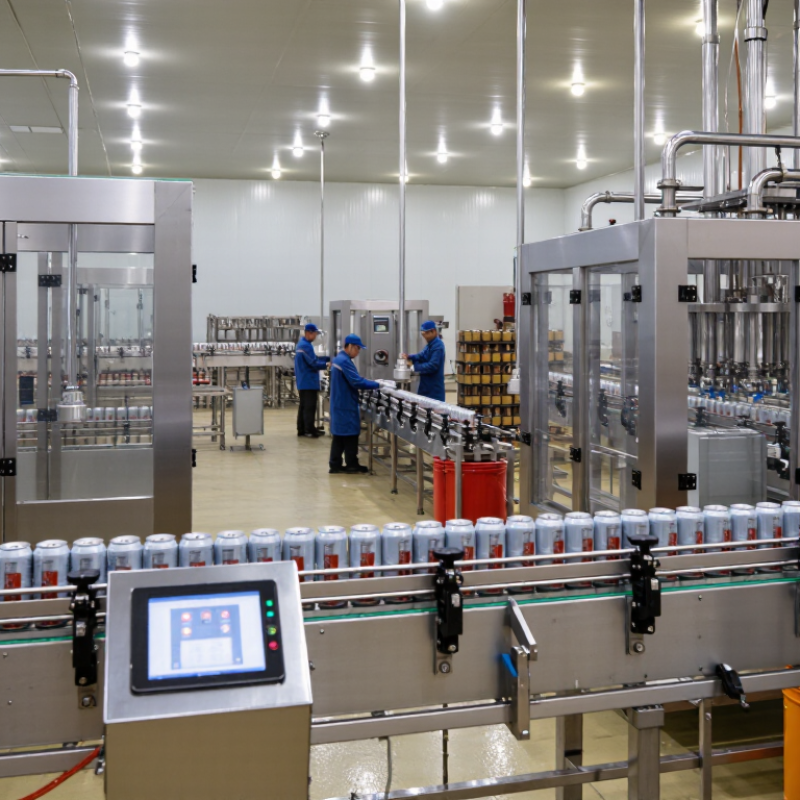
Best Cans Filling Machine Manufacturers in China

What Is a Cans Filling Machine?

A cans filling machine is industrial equipment that places a measured product into empty cans. It usually works with a seamer, which closes each can after filling. In beverage plants, the system may also include rinsing, liquid-level control, and conveyor transfer. The filling valve must match the product’s viscosity, temperature, and foaming behavior.

In practical production work, operators check fill accuracy with scales and volume tests. Small errors become expensive when thousands of cans move hourly. A reliable machine uses stainless steel contact parts, adjustable filling heads, and sensors for missing or tilted cans.

Control panels should show pressure, speed, faults, and cleaning status clearly. Good manufacturers in China normally provide drawings, operating guidance, spare parts, and remote technical support.

The machine is not a universal solution. Thick sauces, carbonated drinks, and hot liquids require different filling methods. I have seen projects fail because the buyer tested only water. Product trials matter. No machine is perfect. Seals wear, sensors need cleaning, and inexperienced operators can change settings too quickly. A careful supplier should record test results, filling tolerance, cleaning procedures, and expected maintenance intervals before delivery. Buyers should also inspect weld quality, electrical protection, and the seaming result under real production conditions.

How Cans Filling Machines Work

How Cans Filling Machines Work

Cans filling machines move empty cans through several controlled stages. A conveyor aligns each can beneath a filling valve. Sensors check the can’s position before liquid enters. If a can is missing, the valve should remain closed. This simple safeguard prevents spills and protects the equipment.

Most machines use volumetric filling, flow meters, or pressure-based systems. The correct method depends on the product’s thickness, temperature, and foaming behavior. A valve opens for a measured time or volume. Then it closes quickly to reduce dripping. For carbonated drinks, the machine balances pressure inside the can first. This helps preserve carbonation and limits foam. Small differences still matter. A cold liquid may fill differently from a warm one.

Experienced Chinese manufacturers usually adjust conveyor speed, filling pressure, and valve timing during testing. Operators also inspect fill levels with calibrated measuring tools. In practice, the first trial is rarely perfect. Foam can rise unexpectedly, or a sensor may react too slowly. That is where practical experience becomes important. Cleaning circuits, smooth stainless-steel surfaces, and accessible valves support reliable operation. A careful factory should provide test records, maintenance guidance, and training. These details often reveal more than a machine’s advertised speed.

Best Cans Filling Machine Manufacturers in China - How Cans Filling Machines Work
Machine Type Typical Can Format Filling Principle Typical Speed Typical Fill Accuracy Suitable Products How the Machine Works Main Consideration
Gravity Filler Small and medium cans; commonly 200–1,000 mL Product flows into the can under gravity from an elevated tank. Approximately 10–40 cans/minute About ±1–3%, depending on product and can design Low-viscosity liquids such as water, juice, edible oil, sauces and liquid detergents Cans are positioned below filling nozzles. Valves open for a timed period, allowing the liquid level to rise before the valves close. Simple and economical, but filling speed and accuracy are affected by product viscosity and foaming.
Volumetric Piston Filler Small, medium and large cans; commonly 100 mL–5 L A piston draws a measured volume and discharges it into each can. Approximately 10–60 cans/minute About ±0.5–1% Thick products such as tomato paste, honey, cream, sauces and some personal-care products The piston retracts to load a preset volume, then moves forward to push the product through the filling nozzle. Provides accurate volumetric dosing; piston size and valve design must match the product viscosity.
Overflow Filler Usually narrow-neck cans or containers requiring a uniform visible level Excess product returns to a supply tank after the target level is reached. Approximately 10–50 cans/minute Very consistent visual fill level; actual volume varies with container dimensions Foamy or low-to-medium-viscosity liquids, including beverages, shampoos and cleaning liquids A sealing nozzle enters the can. Product is pumped in while excess liquid flows back through a return passage. Produces an attractive, even liquid level but is not the best option when exact volume by mass is the primary requirement.
Counter-Pressure Filler Aluminum or steel beverage cans, commonly 200–500 mL The can is pressurized with gas before carbonated liquid is introduced. Approximately 20–200 cans/minute Typically around ±1–2% in a controlled process Carbonated water, soft drinks, beer and other gas-sensitive beverages The can is sealed against the valve, flushed or pressurized with carbon dioxide, filled at balanced pressure, and then depressurized in a controlled manner. Pressure, temperature and dissolved-gas control are essential to reduce foaming and product loss.
Isobaric Filler Standard beverage cans, commonly 250–500 mL Filling takes place at nearly equal pressure in the tank and can. Approximately 30–300 cans/minute Typically around ±1–2% in a properly adjusted system Beer, sparkling water, carbonated soft drinks and other pressurized beverages The can is lifted to the filling valve, pressurized to match the product tank, filled through a liquid passage, and vented after filling. Maintains carbonation better than atmospheric filling, but requires accurate pressure balancing and sanitary design.
Hot-Fill Machine Metal cans and other heat-resistant containers, commonly 200 mL–1 L Product is filled at an elevated temperature selected for the formulation. Approximately 20–150 cans/minute About ±1–2%, depending on temperature and dosing system Acidic beverages, fruit preparations, sauces and other heat-processable products The product is heated, transferred through sanitary piping, filled while hot, and then closed promptly to support the planned thermal process. Product temperature, container heat resistance and validated processing time must be controlled carefully.
Aseptic or Ultra-Clean Filler Specially prepared cans and containers; format depends on the validated line Sterilized product and packaging are combined in a controlled hygienic environment. Approximately 20–300 cans/minute Generally around ±1–2% when correctly calibrated Long-life beverages, liquid foods and products requiring extended shelf life The product, machine contact surfaces and containers undergo defined sanitation or sterilization steps before filling and sealing under controlled conditions. Requires validated sanitation procedures, hygienic engineering, monitoring and strict operator practices.
Net-Weight Filler Small to large cans; commonly 200 mL–5 L Load cells measure the actual mass entering each can. Approximately 10–80 cans/minute Often within ±0.5–1% after calibration Products sold by weight, including sauces, powders, granules and viscous foods An empty can is placed on a weighing platform. The filling valve closes when the programmed target weight is reached. Compensates for density variation better than purely volumetric systems, but requires stable weighing conditions.
Powder Can Filler Metal cans and composite cans, commonly 50 g–2 kg An auger, vacuum system or dosing cup measures dry product into the can. Approximately 10–80 cans/minute About ±1–3%, depending on powder flowability Milk powder, coffee, spices, nutritional powders and pharmaceutical powders The can is indexed beneath a dosing head. A rotating auger or measured dosing chamber dispenses the set quantity before the can moves to sealing. Dust extraction, product aeration, bridging and powder density must be managed for consistent dosing.
Rotary Can Filler High-volume beverage cans, commonly 200–500 mL Multiple filling valves operate continuously around a rotating carousel. Approximately 100–1,500 cans/minute Typically around ±1–2% with correct setup Beer, soft drinks, sparkling water and high-volume liquid products Cans enter through an infeed conveyor, are lifted to individual valves, filled during carousel rotation, and discharged to the seamer. Offers high throughput, but changeovers, maintenance and valve synchronization are more complex.
Inline Can Filler Small to medium production formats; commonly 100 mL–5 L Rows of cans stop or move beneath a fixed bank of filling nozzles. Approximately 10–120 cans/minute About ±0.5–3%, depending on filling technology Food, beverage, chemical and household-liquid applications A conveyor spaces the cans, sensors confirm their position, and several nozzles fill one row before the cans continue to the next station. Flexible and accessible for cleaning, but generally less compact and slower than a rotary system at very high output.

Key Types of Cans Filling Machines in China

China’s can filling machine market includes gravity, piston, vacuum, and counter-pressure models. Each type suits a different product and production target. Gravity fillers work well with thin liquids, such as water or tea. Piston fillers handle thicker products with better portion control. Vacuum fillers can reduce foaming during filling. Counter-pressure machines are useful for carbonated beverages because they protect carbonation.

In practical equipment evaluations, product behavior matters more than advertised speed. A machine should match viscosity, foam level, can diameter, and daily output. Stainless steel contact parts support hygiene and easier cleaning.

Automatic rinsing and clean-in-place systems can reduce manual work, but their design must be checked carefully. A faster line is not always the better line. Excessive speed may cause splashing, unstable fill levels, or damaged can rims. This detail is easy to underestimate.

Control systems should record filling accuracy, pressure changes, and stoppages. These records help operators find repeated faults instead of guessing.

Tips: Test the actual product before purchase. Bring several can sizes for a filling trial. Check changeover time, sealing performance, and cleaning access. Ask for maintenance instructions and spare-part availability. Do not judge a machine only by its hourly capacity. A slower, stable filler may create less waste and fewer production interruptions. The final choice should reflect your product, operators, factory space, and realistic maintenance skills.

Leading Cans Filling Machine Manufacturers in China

Leading cans filling machine manufacturers in China combine practical engineering with flexible production support. They commonly build systems for beverages, sauces, and other permitted food products. Experienced manufacturers understand that each can format needs different filling valves, conveyor spacing, and sealing settings. Their engineers may review product viscosity, foam behavior, temperature, and target output before suggesting a machine. A reliable supplier should provide factory test records, material certificates, operating manuals, and clear after-sales support.

Many established Chinese manufacturers use stainless steel frames, programmable controls, and automatic cleaning systems. Some offer rotary fillers that handle high output, while linear models suit smaller facilities. A useful factory visit can reveal important details. Watch the machine running with real cans. Check fill-level consistency, changeover time, noise, and cleaning access. Small design choices matter. Operators notice them quickly. No manufacturer gets every project perfect, and honest suppliers should explain limitations instead of promising impossible speeds.

Tips: Ask for a sample test using your actual can size and product. Confirm the tested speed, filling accuracy, power requirements, and spare-parts list in writing. Request videos of similar installations, but verify the operating conditions. Discuss training, warranty response time, and remote troubleshooting before signing an order. A lower quotation may hide extra tooling, difficult maintenance, or weak technical support. Choose documented performance over attractive claims.

How to Choose the Right Chinese Manufacturer

Choosing among the best can filling machine manufacturers in China requires more than comparing prices. According to the International Federation of Robotics’ World Robotics 2024 report, China installed 276,288 industrial robots in 2023, representing over half of global installations. This indicates strong manufacturing capacity, but automation alone does not guarantee reliable filling performance. Ask for verified records of can size changes, filling accuracy, line speed, and uptime under similar products.

The brochure is never enough. Request a live factory acceptance test using your cans, liquid, closures, and target speed. Measure fill variation, foaming, product loss, cleaning time, and changeover duration. PMMI industry reports consistently identify labor availability, automation, and equipment integration as major packaging priorities. A suitable supplier should therefore explain sensor logic, spare-parts planning, remote support, and operator training in practical terms. Vague promises are warning signs.

Check the quality system, traceability, and food-contact documentation. ISO 9001 certification can support process control, but it does not replace machine-specific inspection records. Confirm electrical standards and conformity documents for the destination market. Also review installation references, warranty exclusions, and response times in writing. A lower quotation may hide expensive commissioning work. That mistake is common. I would still challenge every claimed capacity figure, because factory tests often use ideal conditions. Independent inspection before shipment can expose weak welds, unstable controls, or poor hygienic design before they reach production.

Best Cans Filling Machine Manufacturers in China — How to Choose the Right Chinese Manufacturer

The chart compares typical commercial throughput ranges for different can-filling applications. Beverage and beer lines generally operate at higher speeds, while food and edible-oil canning lines prioritize product handling, accuracy, and container compatibility. When evaluating a Chinese manufacturer, compare the proposed machine’s verified speed, filling accuracy, can-size range, material compatibility, and acceptance-test results with your actual production requirements.

↑