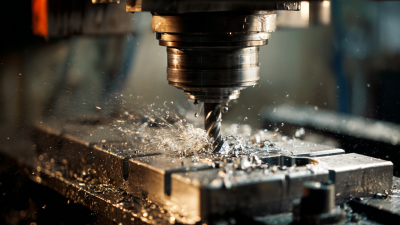
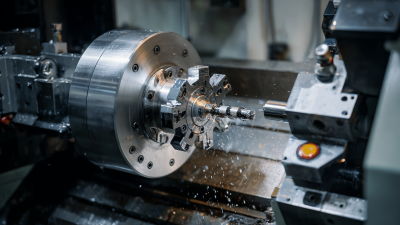
In the ever-evolving landscape of manufacturing, the adoption of advanced technologies plays a crucial role in enhancing productivity and efficiency. One such innovation that has gained significant attention is the horizontal machining center. Designed for precision and versatility, horizontal machining centers are transforming the way manufacturers approach complex machining tasks. This technology not only streamlines production processes but also facilitates higher levels of automation, making it an ideal solution for companies aiming to optimize their operations.
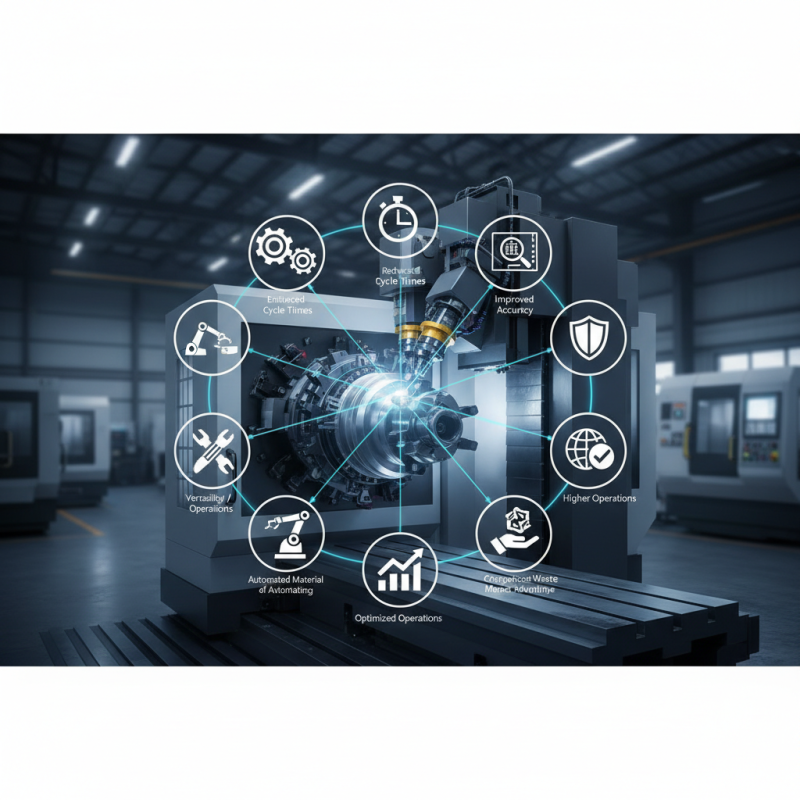
The benefits of using horizontal machining centers extend beyond mere efficiency; they encompass improved accuracy, reduced cycle times, and enhanced material handling capabilities. By leveraging these machines, manufacturers can achieve outstanding results in the creation of intricate components while minimizing waste and downtime. Additionally, the ability to perform multiple operations in a single setup not only saves time but also allows for better control over the manufacturing process. As we delve into the top ten benefits of incorporating horizontal machining centers into manufacturing workflows, it becomes clear that this technology is a cornerstone for those looking to thrive in a competitive market.
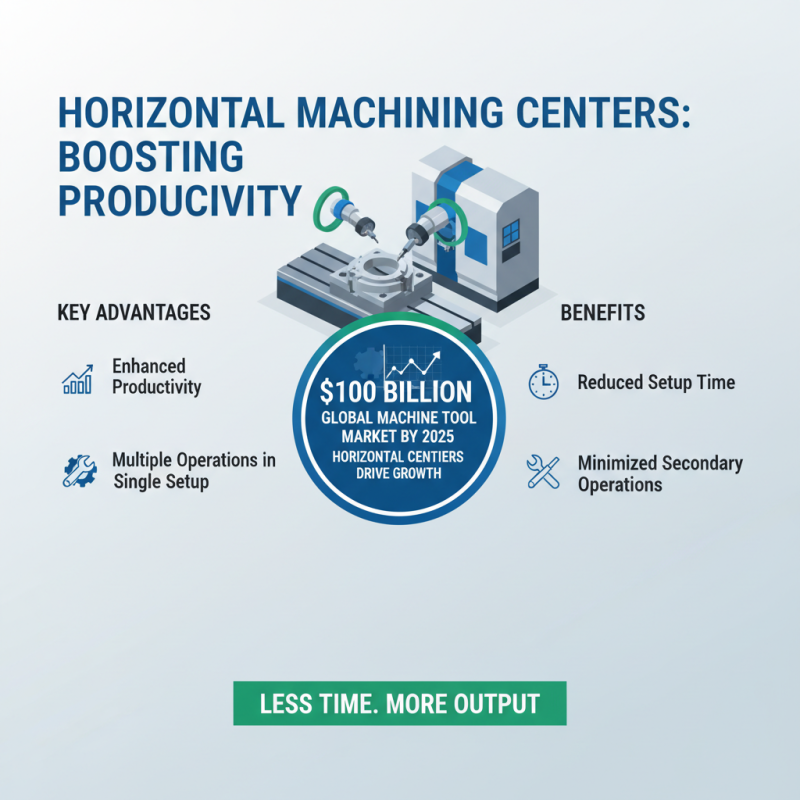
Horizontal machining centers have become pivotal in modern manufacturing due to their numerous advantages over traditional vertical machining centers. One of the key benefits is enhanced productivity. According to a report by MarketsandMarkets, the global machine tool market is projected to reach $100 billion by 2025, with horizontal machining centers expected to drive this growth due to their ability to perform multiple operations in a single setup. This multipurpose capability reduces the time spent on setups and minimizes the need for secondary operations, thus significantly increasing throughput.
Another substantial advantage is improved part accuracy and consistency. Research by the Association for Manufacturing Technology indicates that horizontal machining centers typically offer better rigidity and stability compared to vertical models, which leads to tighter tolerances and higher quality finishes. This is crucial in industries where precision is paramount, such as aerospace and medical manufacturing. Furthermore, horizontal machining allows for better chip management and coolant flow, reducing the risk of tool wear and enhancing overall machine life.
Additionally, the ergonomic design of horizontal machining centers facilitates easier loading and unloading of heavy workpieces, thereby increasing operator safety and efficiency. With automated systems and better visibility, operators can streamline the production process, reducing lead times and improving overall operational effectiveness. As manufacturers seek to optimize their operations, the use of horizontal machining centers stands out as a strategic investment that aligns with the demands of contemporary production environments.
Horizontal machining centers have revolutionized the manufacturing landscape, particularly in enhancing precision and accuracy during machining operations. According to a survey conducted by the Association for Manufacturing Technology (AMT), over 60% of machining professionals reported improvements in part tolerances after integrating horizontal machining centers into their workflows. This technology utilizes an innovative spindle orientation that allows for multi-sided machining, reducing the need for multiple setups and minimizing human error. The result is consistently tighter tolerances, with many manufacturers achieving precision within ±0.005 mm, significantly surpassing the industry standard.
Furthermore, recent reports indicate that the automation capabilities of horizontal machining centers contribute to enhanced machining accuracy. With advanced features such as automatic tool changers and in-process gauging, these centers minimize variability in production. A study by the National Institute of Standards and Technology (NIST) highlighted that manufacturers utilizing horizontal machining centers saw a decrease in scrap rates by up to 30%. This efficiency not only translates to cost savings but also fosters a more reliable production environment, where components meet stringent quality demands with less rework required. As industries continue to explore ways to streamline operations, the role of horizontal machining centers in achieving enhanced precision cannot be overstated.
| Benefit | Description | Impact on Efficiency |
|---|---|---|
| Enhanced Precision | Horizontal machining centers provide high stability and precision, leading to better part quality. | Reduces rework and scrap rates. |
| Improved Tool Access | Allow for better access to the workpiece, simplifying setups for complex geometries. | Speeds up machining time. |
| Reduced Cycle Times | Optimized for faster machining operations, notably for larger parts. | Increases overall throughput. |
| Greater Automation | Can be integrated with automation systems for FedEx production. | Lowers labor costs and human errors. |
| Versatility | Suitable for a variety of materials, from metals to plastics. | Expands production capabilities. |
| Enhanced Surface Finish | Delivers smoother finishes on machined parts. | Reduces the need for secondary operations. |
| Better Chip Removal | Horizontal orientation allows for efficient chip evacuation during machining. | Prevents tool clogging and overheating. |
| Increased Productivity | Multiple setups and operations can run efficiently. | Maximizes machine utilization. |
| Lower Operational Costs | Efficiency gains lead to reduced machining costs. | Improves profit margins. |
| Enhanced Stability | Lower center of gravity provides increased stability during machining. | Improves overall machining accuracy. |
Horizontal machining centers are revolutionizing the manufacturing landscape by significantly enhancing production efficiency and reducing cycle times. These advanced machines are engineered to handle complex machining tasks with precision, allowing manufacturers to produce intricate parts in a single setup. The horizontal configuration not only facilitates better chip removal and cooling but also enables simultaneous operations on multiple surfaces, thus maximizing the utilization of time and resources.
In addition to their design advantages, horizontal machining centers contribute to a streamlined workflow. By minimizing the need for tool changes and repositioning, they drastically cut down on lead times. This efficiency is particularly crucial in fast-paced industries where timely delivery is key to maintaining competitive advantage. Furthermore, the automation features available in modern horizontal machining centers enhance consistency and reduce the risk of human error, resulting in higher quality output. As manufacturers adopt these technologies, they are witnessing a marked improvement in overall productivity, enabling them to meet high-demand scenarios without sacrificing quality or speed.
Horizontal machining centers (HMCs) play a pivotal role in modern manufacturing, particularly when it comes to extending tool life and minimizing tool changing durations. The unique design of HMCs, which allows for multi-axis machining, reduces the need for frequent tool changes by accommodating several operations in one setup. This efficient orientation not only helps in maintaining a consistent quality throughout the production process but also minimizes the wear and tear on cutting tools. As a result, manufacturers can experience longer tool life, leading to reduced costs associated with tool procurement and maintenance.
Furthermore, the time savings associated with tool changing in horizontal machining centers are significant. Traditional vertical machining centers often require workers to stop the machine to change tools, resulting in downtime that can impact overall productivity. However, HMCs typically feature automatic tool changers and strategic tool storage systems that allow for quicker and more efficient transitions. This reduction in tool change times enables operators to maintain a smoother workflow, enhancing overall production efficiency. The synergy of improved tool longevity and minimized changing times creates a manufacturing environment that prioritizes productivity and operational excellence.
Horizontal machining centers have revolutionized the way manufacturers approach complex workpieces and intricate designs. Their unique configuration allows for better accessibility and visibility, enabling operators to efficiently handle parts that require multi-sided machining. This adaptability is vital in today's fast-paced manufacturing environment, where precision and versatility are paramount. By utilizing horizontal machining centers, manufacturers can minimize setup times and optimize production workflows, allowing for more efficient handling of a diverse range of components.
Additionally, the orientation of horizontal machining centers facilitates the integration of advanced technologies, such as automation and tool management systems. This not only enhances the flexibility in processing various geometries but also supports a broader spectrum of materials, from metals to composites. The ability to perform multiple operations in a single setup further streamlines processes, significantly reducing the risk of errors and improving overall output quality. As manufacturers continue to face increasing demands for customization, the flexibility provided by horizontal machining centers becomes an indispensable asset in achieving greater efficiency and meeting complex production requirements.