Top Belt Conveyor Trends for 2026 What Buyers Need to Know
In today's fast-evolving industrial landscape, understanding the future of Belt Conveyors is crucial for buyers. These systems are integral to streamlining operations across various sectors. As we approach 2026, several trends are emerging that can significantly affect purchasing decisions.
Recent advancements in technology are reshaping Belt Conveyor design and efficiency. Buyers must stay informed about innovations like smart sensors and sustainability initiatives. These features can enhance productivity while reducing energy costs. However, it’s essential to evaluate the reliability of new technologies before making investments.
The growing demand for automation also poses challenges. While automation can optimize workflows, it may introduce complexities in maintenance and operation. Buyers must balance the benefits of high-tech solutions with the practicalities of implementation. This balance will be key to making informed decisions that align with their operational goals.
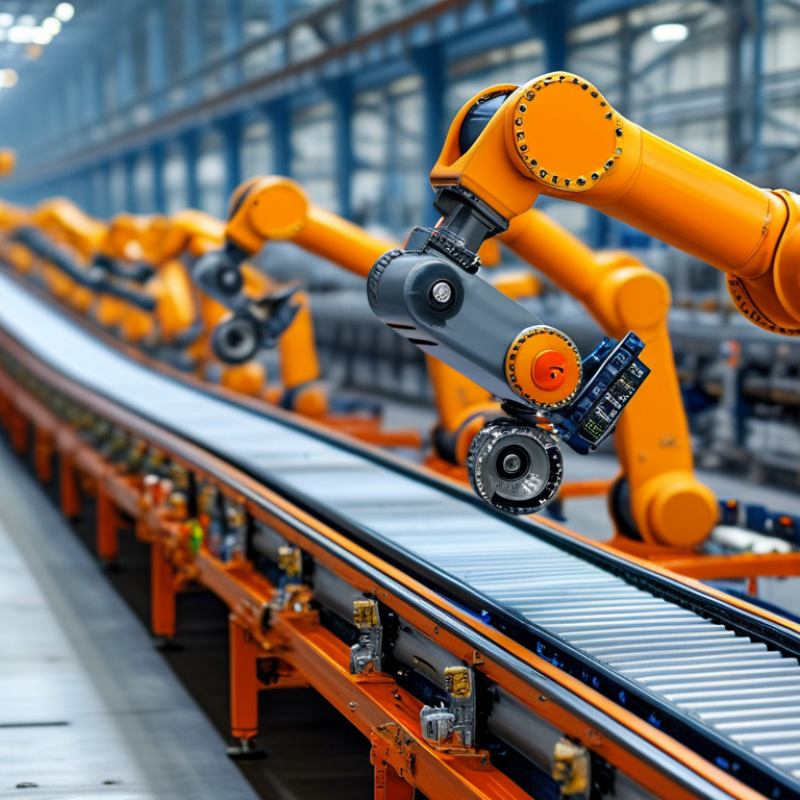
Emerging Technologies in Belt Conveyor Systems for 2026
The evolution of belt conveyor systems is pivotal as we approach 2026. Emerging technologies are setting new standards in efficiency and safety. Recent studies indicate that the global belt conveyor market is projected to grow by over 5% annually. This growth highlights the industry's need for modernization.
One notable trend is the integration of IoT (Internet of Things) technologies. Smart sensors offer real-time monitoring of conveyor systems. These sensors can notify operators about potential issues before they lead to failures, significantly reducing downtime. Additionally, predictive maintenance analytics help optimize maintenance schedules, enhancing the overall productivity of operations.
Another key development is the move towards sustainable materials. Companies are exploring eco-friendly belt materials that reduce environmental impact. Data suggests that businesses using sustainable options can improve their waste management by over 20%. However, transitioning to these new systems can challenge existing workflows and may require additional training for personnel. Adapting to these trends is crucial for staying competitive in a fast-changing landscape.
Sustainability Trends Impacting Belt Conveyor Manufacturing and Use
Sustainability is reshaping the belt conveyor industry. Manufacturers are increasingly focusing on eco-friendly materials. This shift not only reduces waste but also enhances overall efficiency. Using recycled materials in production has gained traction. It demonstrates a commitment to environmental responsibility.
Energy efficiency is another critical trend. Conveyor systems are adopting advanced technologies to minimize energy consumption. Automation and smart sensors are key components. These innovations can lead to significant reductions in energy costs. However, integrating new technologies can be challenging. Businesses must evaluate their existing infrastructure before making transitions.
There's a growing interest in product lifecycle management. Companies are urged to consider the long-term impact of their conveyor systems. Sustainability should factor into the design, manufacturing, and end-of-life stages. Creating a circular economy model presents opportunities for innovation. But, organizations must remain vigilant. Balancing cost and sustainability can often be complicated. Continuous improvement and reflection on practices are essential for success in this evolving landscape.
Key Factors Influencing Belt Conveyor Design and Functionality
Belt conveyor design is influenced by several key factors. One significant aspect is material handling capacity. Buyers need conveyors that can efficiently move varying loads. This requires understanding the types of materials being transported and their weight. Choosing the right belt type is essential for optimizing performance.
Another important element is the conveyor's environment. Factors like temperature, humidity, and exposure to chemicals can affect materials and machinery. Sophisticated designs may use corrosion-resistant materials. This adaptation ensures longevity and reduces maintenance costs.
Finally, automation and technology trends impact design choices. Smart conveyor systems integrate with industry 4.0 concepts. This brings improvements in efficiency and reliability. However, there may be challenges in selecting the correct sensors and software. Buyers must also consider upgrading legacy systems. Balancing these needs can create complexities that need careful consideration.
Top Belt Conveyor Trends for 2026
This chart illustrates the key factors influencing belt conveyor design and functionality trends expected in 2026. The influence level indicates the significance of each trend, with automation and smart technology leading the way.
Market Demand Shifts: What Buyers Should Expect in 2026
As the demand for automation increases, buyers should prepare for significant shifts in the belt conveyor market by 2026. Key industry reports, such as those from ResearchAndMarkets, project a compound annual growth rate (CAGR) of 4.5% for belt conveyors. This trend reflects growing needs in sectors like manufacturing and logistics, driven by e-commerce. Buyers can expect innovations that integrate smart technology, enhancing efficiency and reducing costs.
A notable shift in market demand is moving toward more sustainable materials. Research highlights that 62% of buyers prioritize sustainability in their purchasing decisions. This trend presents both opportunities and challenges. Cost-effective solutions that meet sustainability criteria can be harder to find, prompting buyers to reassess their supplier relationships.
Tips:
- Evaluate suppliers' commitment to sustainable practices.
- Stay updated on technological advancements in conveyor systems.
- Don't overlook the importance of after-sales support.
While efficiency is critical, integrating new technologies can be complex. Buyers must ensure that their teams are trained and ready to adapt. Balancing innovation and practicality requires ongoing evaluation, as expectations and technologies evolve rapidly.
Top Belt Conveyor Trends for 2026
| Trend | Description | Expected Impact | Market Demand Shift |
| Automation Enhancements | Increased automation technology integrated into belt conveyors. | Improved efficiency and reduced labor costs. | Rise in demand for automated solutions. |
| Sustainability Practices | Focus on eco-friendly materials and energy-efficient systems. | Enhanced brand image and compliance with regulations. | Growing customer preference for sustainable products. |
| Smart Technology Integration | Implementation of IoT and AI for real-time monitoring. | Enhanced decision-making and predictive maintenance. | Increasing demand for smart manufacturing solutions. |
| Modular Conveyor Design | Flexible and scalable designs for diverse applications. | Greater adaptability to change in production processes. | Shift towards customization in conveyor systems. |
| Technological Upgrades | Incorporation of advanced materials and designs. | Extended lifespan and reduced maintenance costs. | Demand for high-performance equipment. |
Essential Maintenance Practices for Modern Belt Conveyors
Maintaining modern belt conveyors is critical for operational efficiency. Regular checks ensure they run smoothly and reduce unexpected downtime. According to industry reports, more than 30% of conveyor failures stem from inadequate maintenance practices. This highlights the need for a proactive approach.
Routine inspections should focus on belt alignment and tracking. Misalignment can lead to excessive wear and reduce the lifespan of the conveyor. Data indicates that corrected alignment can extend the life of the system by up to 50%. Additionally, keeping the belts clean minimizes dirt accumulation, which can degrade performance. Innovative maintenance solutions are emerging, yet many companies still overlook this aspect.
Implementing a predictive maintenance strategy can also enhance reliability. Using sensors to monitor belt conditions helps identify issues before they escalate. However, some facilities may struggle with the initial investment in technology. Balancing costs while ensuring operational reliability remains a challenge for many. The trend towards automation in maintenance practices is clear but requires reconsideration of traditional methods.