Blog

2026 Best Skin Remodeling Devices for Global Buyers

Skin Remodeling has moved from a clinic specialty into a competitive global device category. Buyers now compare radiofrequency platforms, fractional lasers, ultrasound systems, and microneedling devices across very different treatment goals. The market is growing, but a larger catalog does not automatically mean better results.

The ISAPS Global Survey 2023 estimated that practitioners performed about 34.9 million surgical and nonsurgical aesthetic procedures worldwide. In the United States, the American Society of Plastic Surgeons reported 25.4 million minimally invasive cosmetic procedures in 2023. These figures show substantial demand for aesthetic treatments. They do not, however, measure device sales or prove that one technology works best. That distinction matters.

For global buyers, the practical questions are specific: What indications does a device support? How consistent are its settings and consumables? Can staff receive suitable training, and is service available locally? Skin tone, treatment area, operator skill, and patient expectations can all affect outcomes. Regulatory clearances also differ by market, so buyers should verify the device’s intended use and local requirements before purchasing. A polished brochure cannot settle that question.

This guide compares leading Skin Remodeling devices through their core technologies, operating considerations, and buyer-relevant features. It is not a ranking of guaranteed clinical outcomes. Some specifications look impressive on paper; real-world performance still needs careful evaluation. That is the harder part.
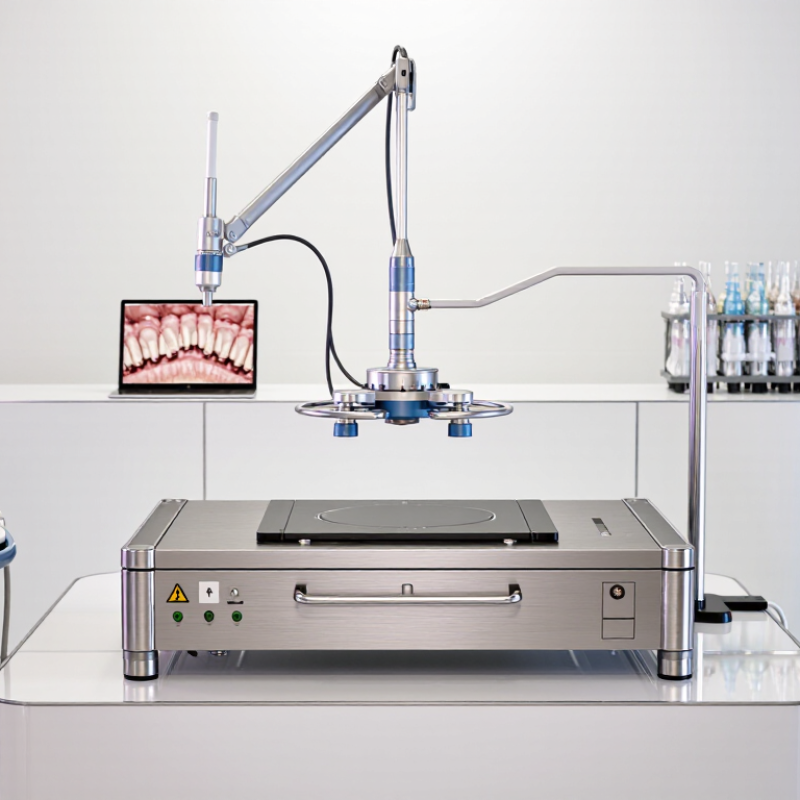
2026 Best Skin Remodeling Devices for Global Buyers

What Skin Remodeling Devices Are and How They Work

2026 Best Skin Remodeling Devices for Global Buyers

What Skin Remodeling Devices Are and How They Work

Skin remodeling devices use controlled energy or mechanical action to influence the skin’s appearance and structure. The term covers several technologies, not one standard treatment. Depending on the design, a device may use radiofrequency heat, focused ultrasound, light, or tiny needles. Each works differently, and results depend on the device, treatment settings, and individual skin.

Radiofrequency devices warm targeted tissue. Focused ultrasound directs energy to selected depths, while light-based devices interact with particular skin targets. Some technologies create carefully controlled micro-injuries. These signals may prompt the body’s repair processes, including changes in collagen over time. It is gradual. A treatment does not instantly replace lost collagen, and visible change can vary.

The word “remodeling” can sound more exact than the evidence allows. That distinction matters. Buyers should check what a device is intended to do, which tissue it targets, and whether its instructions describe professional or home use. Ask how energy levels are calibrated, what training is required, and what side effects are reported. A qualified clinician can assess whether a treatment suits someone’s skin and medical history. Even a well-designed device can cause problems if used at the wrong depth or intensity. Some product descriptions make outcomes sound simpler than they are. Read the technical documentation, not just the headline claims.

Key Technologies Used in Skin Remodeling Devices

Skin remodeling devices use different forms of energy to influence the skin’s appearance and texture. Radiofrequency delivers controlled heat into deeper tissue, while fractional lasers create tiny treatment zones that support a gradual renewal process. Results vary with device settings, skin characteristics, and treatment history. Heat is not automatically better.

Microneedling devices create small, controlled channels in the skin. Some systems combine this approach with radiofrequency, but the added energy makes training and parameter selection especially important. Ultrasound devices focus energy at selected depths, and light-based systems target particular skin concerns. These technologies are not interchangeable. Buyers should examine energy depth, output control, cooling features, and the quality of clinical training—not just headline power.

Ask how the device monitors temperature and responds to uneven contact. Check maintenance needs, treatment documentation, and whether instructions clearly describe suitable candidates and known risks. A detailed demonstration should show the handpiece, interface, and a realistic treatment workflow. Small details matter. Even reliable equipment can be used poorly, and published performance data may not reflect every clinic or skin type. I would also compare evidence from independent sources; this part is easy to overlook.

Main Device Types and Their Applications

Skin remodeling devices differ by target depth and treatment goal. Fractional lasers create controlled thermal zones for uneven texture, fine lines, and selected scars. Ablative systems remove tiny columns of tissue; non-ablative systems heat deeper layers with less surface disruption. Recovery varies. A 2023 ISAPS Global Survey recorded about one million non-surgical skin-tightening procedures worldwide, indicating meaningful demand for energy-based treatments.

Radiofrequency devices heat tissue to support collagen remodeling and address mild laxity. Microneedle radiofrequency combines fine needles with heat, allowing treatment of selected textural concerns at adjustable depths. Focused ultrasound targets deeper tissue layers and may suit some patients seeking gradual tightening. These categories are not interchangeable. Skin tone, scar history, treatment area, and downtime matter. Small details matter.

For global buyers, compare wavelength or energy type, adjustable settings, cooling, applicator design, and service support. Ask for clinical evidence tied to the exact device configuration, not broad claims about a technology category. The ISAPS survey reports procedure volume, not proof that one device is more effective. That distinction is easy to miss. Clinics should also document settings, adverse events, and follow-up results; real-world outcomes can be uneven, and protocols need review.

2026 Best Skin Remodeling Devices for Global Buyers — Main Device Types and Their Applications

Microfocused ultrasound systems commonly use focal depths of 1.5, 3.0 and 4.5 mm. The appropriate depth depends on the treatment area and individual anatomy; these values are not a ranking of device performance.

Main device types and typical applications

  • Microfocused ultrasound: non-invasive lifting and tightening; focal depths commonly include 1.5, 3.0 and 4.5 mm.
  • Radiofrequency microneedling: adjustable-depth dermal heating, commonly used for skin texture and acne-scar concerns.
  • Fractional lasers: controlled resurfacing for texture, fine lines and selected pigment concerns; treatment depends on wavelength and settings.
  • Intense pulsed light (IPL): broadband light commonly used for selected pigment and redness concerns; it is not a laser.

How to Compare Devices for Different Treatment Needs

2026 Best Skin Remodeling Devices for Global Buyers

How to Compare Devices for Different Treatment Needs

A device should match the treatment goal, not merely a popular category. For fine lines and uneven texture, compare fractional resurfacing systems by treatment depth, spot size, cooling, and recovery time. For mild laxity, assess radiofrequency or focused ultrasound by energy delivery, treatment area, and published clinical follow-up. Ask for results across different skin tones, not just idealized before-and-after images. Downtime matters.

The ISAPS Global Survey 2023 recorded approximately 19.1 million nonsurgical aesthetic procedures worldwide. This signals broad demand, but the figure covers many procedure types; it is not evidence that one remodeling technology works best. Buyers should request peer-reviewed studies for the specific indication, including sample size, follow-up duration, and reported adverse events. Check whether outcomes were assessed by clinicians or patients. Both perspectives matter.

Compare total operating costs, too: consumables, staff training, maintenance, and service response times can change a device’s real value. Ask how settings are adjusted for skin tone and treatment area, and what screening and aftercare are required. A polished demo may hide practical limits. Even a detailed comparison sheet can miss them. Independent clinical review is worth the extra time.

Global Buying Factors: Safety, Certification, and Support

For global buyers, a skin remodeling device must pass more than a demonstration. Check its intended use, documented risk controls, and electrical safety evidence. ISO 14971 provides a framework for medical-device risk management, while IEC 60601-1 addresses basic safety and essential performance for applicable medical electrical equipment. These standards support due diligence; they do not replace country-specific registration or conformity checks.

Regulatory capacity varies by market. The WHO’s 2022 Global Atlas of Medical Devices compiles information from its 194 Member States, highlighting the importance of checking local oversight rather than assuming one certificate works everywhere. Ask for traceable test reports, labeling in the required language, and clear instructions for cleaning and maintenance. Also verify who handles complaints, replacement parts, and technical support after installation. A polished brochure is not evidence. A checklist can still miss practical problems, like a handpiece that is difficult to service locally.

Tips: Before ordering, request the device’s certificate scope, service response times, training plan, and spare-parts lead times in writing. Test these details against your clinic’s workflow and local requirements.

2026 Best Skin Remodeling Devices for Global Buyers — Global Buying Factors: Safety, Certification, and Support

A practical, category-based comparison for international buyers. “Best” depends on the intended treatment, local regulations, operator qualifications, and the evidence and service available for the specific device and indication.

Device Category Typical Use Potential Buyer Fit Key Evaluation Points Safety Considerations Certification and Regulatory Checks Support to Confirm
Fractional ablative laser
Examples of laser types: CO₂ and Er:YAG
Resurfacing and treatment of selected textural concerns, with downtime that varies by settings, treatment area, and patient. Clinics with appropriately trained practitioners, suitable patient pathways, and capacity to manage post-treatment care. Confirm the intended indications, selectable treatment parameters, consumables, maintenance schedule, and availability of clinical documentation for the exact model. Can cause burns, pigment changes, infection, scarring, or eye injury. Requires appropriate eye protection, infection-control procedures, and careful patient selection. Check market-specific authorization and the device’s stated indications. Verify applicable laser-safety requirements and electrical safety documentation; a certificate alone does not establish clinical suitability. Ask about operator training, service response times, spare parts, preventive maintenance, and escalation procedures for adverse events.
Non-ablative fractional laser Fractional dermal heating for selected skin texture and appearance concerns, generally without ablating the full treated surface. Buyers seeking a fractional laser option with a different downtime and treatment profile from ablative resurfacing. Compare wavelength, energy and density controls, treatment indications, published evidence, and the expected number and spacing of sessions. Redness, swelling, pigment alteration, burns, and eye injury are possible. Risk varies by device, settings, skin characteristics, and operator technique. Confirm the exact device and indication are authorized in the destination market. Review applicable laser and medical electrical equipment documentation. Confirm training materials, local-language instructions where required, calibration and repair arrangements, and access to technical support.
Radiofrequency microneedling Combines needle-based skin penetration with radiofrequency energy for selected textural and remodeling applications. Clinics able to manage an invasive procedure, single-use or reprocessing requirements, and follow-up care. Check needle depth and energy controls, approved indications, handpiece design, cartridge compatibility, consumable costs, and evidence for the specific model. May cause pain, bleeding, infection, burns, scarring, or pigment changes. Use only as directed, with appropriate aseptic technique and patient screening. Verify regulatory status for the complete system and its accessories in each sales market. Confirm whether cartridges are single-use and how that requirement is documented. Confirm reliable consumable supply, staff competency training, traceability of cartridges, complaint handling, and service access.
Intense pulsed light (IPL) Broad-spectrum light treatment for selected pigment, vascular, or photo-rejuvenation indications, depending on the device and authorization. Buyers seeking a light-based platform whose filters and indications match their intended patient population and local rules. Review wavelength or filter options, pulse controls, cooling method, treatment indications, and evidence for each intended use. Possible risks include burns, blistering, eye injury, and pigment changes. Treatment suitability depends on the device instructions, skin characteristics, and operator assessment. Check whether the device is legally marketed for each intended use in the destination country. Do not assume one market’s authorization applies elsewhere. Ask about filter and handpiece availability, maintenance, operator training, service turnaround, and replacement-part costs.
Microfocused ultrasound Focused ultrasound energy for selected tissue-targeting and skin-tightening indications, subject to device labeling and local authorization. Clinics with trained operators and a clear process for selecting suitable treatment areas and patients. Check transducer options, treatment-depth claims, energy settings, imaging or guidance features if present, and evidence tied to the exact model. Discomfort, swelling, bruising, burns, or nerve-related injury may occur. Safe use depends on correct anatomy, settings, and operator training. Verify the authorized indications, transducers, and treatment areas in the target market; review the device’s labeling and applicable medical-device documentation. Confirm transducer availability and traceability, training, maintenance, and the process for reporting and investigating adverse events.
General-purpose buying checks Applies to all categories and should be completed before purchase, import, installation, or clinical use. All distributors, clinics, hospitals, and other professional buyers operating across borders. Request the exact model and configuration, intended-use statement, instructions for use, clinical evidence, warranty terms, and a full cost-of-ownership estimate. Assess operator qualifications, patient screening, contraindications, protective equipment, cleaning or reprocessing instructions, and emergency procedures. Verify device-specific authorization with the relevant national regulator. FDA clearance or authorization is specific to the device and indication; establishment registration or listing alone is not FDA approval. For Europe, verify applicable CE marking and conformity-assessment documentation under the relevant rules. Check local import and licensing requirements. Agree on installation, training, local-language documentation where required, warranty coverage, service levels, spare parts, software updates, and complaint and recall procedures.

Standards note: IEC 60601-1 addresses basic safety and essential performance for medical electrical equipment, and IEC 60601-1-2 addresses electromagnetic compatibility. ISO 13485 concerns quality-management systems for medical devices. Applicability depends on the product and market; standards compliance or certification does not by itself prove clinical effectiveness or replace regulatory authorization. Confirm current requirements with the relevant regulator and a qualified compliance professional.

↑