2026 Top Forged Flange Buying Guide for Global Importers?
The global demand for Forged Flanges is on the rise. According to a recent industry report, the forged flange market is projected to reach $3 billion by 2026. This significant growth can be attributed to the expanding oil and gas sector, along with increasing infrastructure projects worldwide.
Forged flanges are crucial for connecting pipes in high-pressure systems. Their strength and resistance to extreme conditions make them a preferred choice for many industries. Market research indicates that Asia-Pacific will experience the highest growth rate, largely driven by industrial expansion in countries like China and India.
When considering purchasing forged flanges, importers must evaluate quality, supplier reputation, and compliance with international standards. Reports suggest that oversight can lead to delays and increased costs. Therefore, a careful approach is essential for ensuring reliability and efficiency in sourcing forged flanges. Despite the promising market landscape, challenges such as fluctuating raw material prices and geopolitical tensions require further reflection and strategic planning.
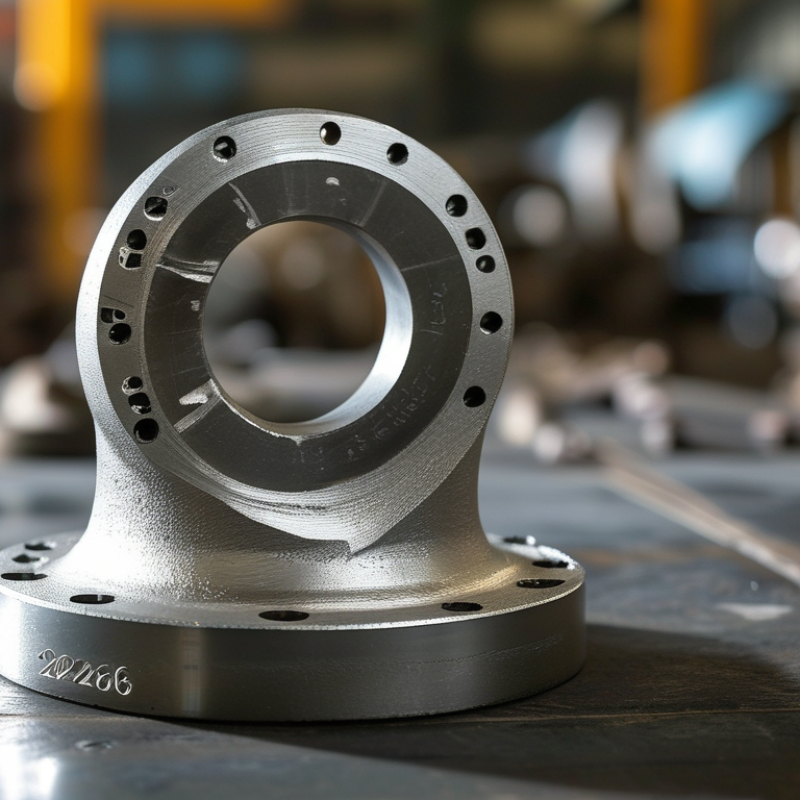
2026 Global Forged Flange Market Overview and Trends
The global forged flange market is witnessing significant changes as we approach 2026. Recent analysis predicts a growth rate of 4.5% annually. This is largely due to increased construction and manufacturing activities worldwide. Regions such as Asia-Pacific showcase a surge in demand, driven by industrial growth and infrastructure projects.
Tech advancements are shaping the forged flange landscape. Manufacturers are adopting high-precision machining techniques to improve quality. However, not all companies keep pace with these technologies. Some lag behind, resulting in inconsistencies in product standards. Buyers should be vigilant about these variations when sourcing flanges.
Sustainability is another emerging trend. Many producers are exploring eco-friendly materials and processes. This shift aligns with a growing global emphasis on reducing carbon footprints. However, the transition is gradual. The lack of widespread compliance could impact market dynamics significantly in the coming years. As an importer, understanding these trends can provide an edge in making informed purchasing decisions.
Key Considerations for Selecting Forged Flanges for Import
When selecting forged flanges for import, the material type is crucial. Flanges made from carbon steel, stainless steel, or alloy materials each have unique properties. Carbon steel flanges offer strength and can endure high pressure. Conversely, stainless steel provides better resistance to corrosion. This detail is essential for industries involving harsh environments.
Another key consideration is the flange rating and size. Different applications require specific pressure ratings. Misinterpreting this can lead to failures or leaks. Additionally, accurately measuring the required dimensions is vital. A small error in size can cause installation issues. Quality control during production also reflects reliability.
It’s wise to assess the manufacturer's reputation too. Experience in the industry indicates a commitment to quality. However, not all manufacturers meet high standards. Reading reviews and seeking feedback from other importers helps. A transparent partnership with a supplier can prevent potential issues. Trust and communication are fundamental in this process.
2026 Top Forged Flange Buying Guide for Global Importers
| Dimension | Material | Pressure Class | Surface Finish | Standard Compliance |
| 1/2" - 24" | Carbon Steel | 150 - 2500 PSI | Smooth, Hot Dip Galvanized | ASTM, ASME, ANSI |
| 1" - 16" | Stainless Steel | 150 - 3000 PSI | Mirror Polished | ISO, DIN, JIS |
| 3" - 12" | Alloy Steel | 150 - 6000 PSI | Shot Blasted | API, BS |
| 2" - 20" | Duplex Steel | 300 - 5000 PSI | Pickled | NACE, ASTM |
Types of Forged Flanges and Their Applications in Various Industries
Forged flanges play a crucial role in many industries. They are widely used in oil and gas, petrochemical, and water treatment applications. These flanges are known for their strength and resistance to high pressure and temperature. According to a report by Research and Markets, the global market for forged flanges is expected to grow at a CAGR of 5% through 2026. This growth is driven by increased demand in the energy sector.
Different types of forged flanges exist, including slip-on, blind, and weld neck flanges. Slip-on flanges are easy to install and are commonly used in low-pressure systems. Blind flanges, on the other hand, seal off piping systems, making them crucial for maintenance purposes. Weld neck flanges provide excellent strength, essential in high-stress environments. Each type has specific applications based on factors like pressure ratings and environmental conditions.
However, selecting the right flange can be challenging. Importers often face issues with quality assurance and compliance with global standards. A 2022 report indicated that nearly 30% of imported flanges failed initial inspections. This underscores the importance of diligence in choosing suppliers. Various certifications can help ensure that flanges meet the required specifications. Knowledge of industry norms is vital for making informed choices.
Best Practices for Sourcing Forged Flanges from International Suppliers
When sourcing forged flanges from international suppliers, understanding material quality is crucial. Always check certifications that verify compliance with industry standards. High-quality materials ensure durability and performance in application. Misleading information can lead to costly errors. Engaging with suppliers who provide transparent documentation helps prevent these mistakes.
Building strong relationships with suppliers is essential in this process. Communication is key. Discuss your specific needs clearly to avoid misunderstandings. Regular follow-ups ensure that both parties remain aligned in expectations. However, misunderstandings may still occur, requiring patience and flexibility in negotiations.
Lastly, always consider lead times and shipping logistics. Unexpected delays can impact project timelines. Assessing a supplier's reliability through previous client reviews can provide insights, but remember that not all past experiences guarantee future performance. Continuous evaluation of the supplier's shipping practices will enhance your sourcing effectiveness.
2026 Top Forged Flange Market Analysis
Quality Standards and Certifications for Forged Flanges in Global Trade
When buying forged flanges, understanding quality standards and certifications is crucial for global trade. Various organizations set specific requirements for forged flanges that ensure safety and functionality. For example, adherence to ISO standards can indicate a manufacturer’s commitment to quality. Certifications such as ASTM and ASME further establish a flange’s reliability.
Tip: Always verify certification authenticity before making a purchase. This reduces the risk of acquiring subpar products that may compromise integrity.
Different regions may have varying quality requirements. Familiarizing yourself with these standards can protect you from costly mistakes. Some manufacturers may not comply fully with certification requirements. Be cautious and conduct thorough research on suppliers.
Tip: Request samples to examine quality firsthand. This practice helps buyers gain confidence in their suppliers.
Establishing relationships with certified manufacturers is key. These companies often prioritize quality in their production processes. However, be vigilant about warranty terms and product specifications. Sometimes, discrepancies can arise, leading to significant challenges in future operations.