2026 Best Stackable Parking Systems for Efficient Space Usage?
In urban areas, space is becoming increasingly precious. With rising vehicle ownership, efficient parking solutions are vital. Stackable Parking Systems offer a promising answer to this challenge. These innovative systems utilize vertical space, maximizing parking capacity in limited areas.
As cities expand, traditional parking methods struggle to keep up. Stackable Parking Systems allow for more vehicles in less ground space. They can be installed in garages, commercial buildings, and even residential complexes. This flexibility makes them ideal for diverse environments.
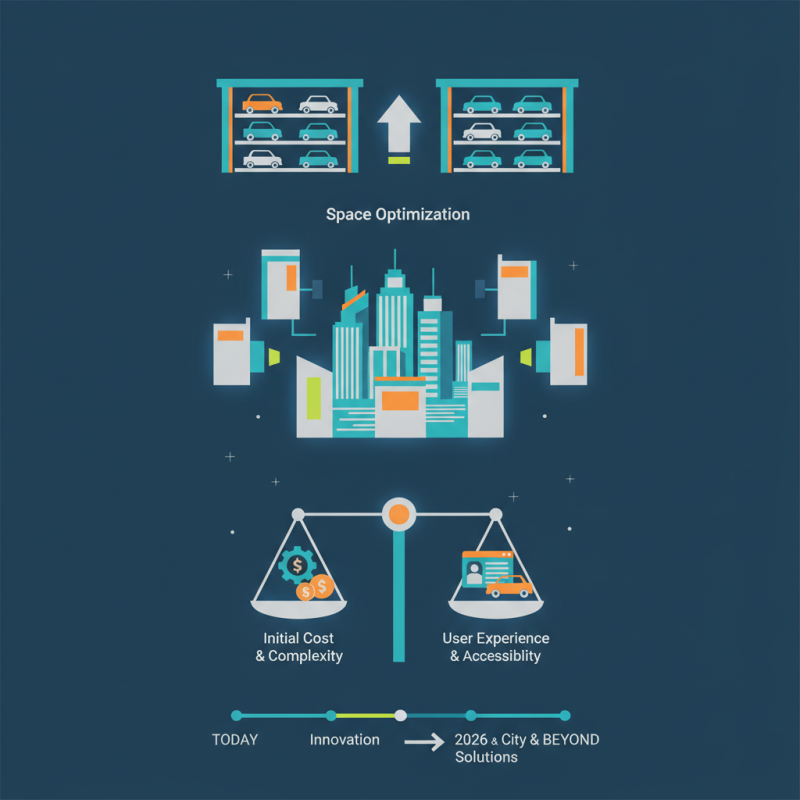
However, these systems aren't without flaws. Some designs may compromise accessibility or create user frustration. Moreover, their initial costs can be high. Evaluating the best options requires careful thought. The right choice weighs efficiency against user experience. Understanding the market will help make informed decisions for 2026 and beyond.
The Concept of Stackable Parking Systems: An Overview
Stackable parking systems have emerged as a practical solution to urban parking challenges. As cities grow, available space diminishes. According to a report from the International Parking Institute, the global market for automated parking systems is projected to exceed $1.4 billion by 2026. This growth reflects a pressing need for efficient space utilization in urban areas. By vertically stacking vehicles, these systems maximize available land without compromising accessibility.
These parking solutions can save up to 60% of space compared to traditional methods. They fit perfectly in high-density areas where real estate is at a premium. However, not all systems are created equal. Maintenance costs and potential mechanical failures can lead to downtime, affecting revenue. Users must carefully analyze system design and reliability to ensure long-term benefits.
Tips: When evaluating stackable systems, focus on user-friendliness. Systems that are too complex may deter users, affecting overall efficiency. Also, consider environmental impacts. Systems with electric vehicle compatibility can attract eco-conscious users. The right stackable solution not only enhances space usage but also aligns with modern sustainable trends.
Benefits of Stackable Parking Systems for Urban Environments
Stackable parking systems are gaining traction in urban environments, particularly as cities grapple with limited space. A report by the International Parking Institute noted that parking facilities account for up to 25% of urban land use. Stackable systems can reduce this footprint significantly, optimizing space. These innovations allow cities to fit more vehicles in smaller areas. Some systems can increase parking capacity by 60% or more, addressing urban congestion effectively.
One significant benefit of stackable parking is enhanced efficiency. These systems can operate automatically, minimizing the need for human intervention. According to the National Parking Association, user experience improves with reduced wait times and effective space utilization. Additionally, stackable systems often consume less energy than traditional parking structures, reducing the carbon footprint.
Tips for cities considering stackable systems include evaluating their specific space requirements. It's crucial to assess the demand for parking in various locations. Also, engage with local stakeholders to understand community needs. As cities evolve, innovative parking solutions, while promising, can present challenges, such as initial costs and maintenance concerns. Each municipality should weigh these factors carefully to ensure a thoughtful approach to urban parking.
2026 Best Stackable Parking Systems for Efficient Space Usage
| Model | Capacity (Cars) | Footprint (sq ft) | Height (ft) | Power Consumption (kWh) | Cost ($) |
| Compact Lift System | 10 | 250 | 12 | 15 | 40,000 |
| Automated Stacker | 20 | 500 | 15 | 30 | 75,000 |
| Two-Tier Parking System | 15 | 400 | 10 | 25 | 50,000 |
| Vertical Carousel Parking | 30 | 600 | 20 | 50 | 100,000 |
Types of Stackable Parking Systems Available in 2026
As urban spaces grow busier, efficient parking solutions become essential. In 2026, stackable parking systems offer innovative options to maximize limited real estate. Various types of these systems cater to different needs. Automated systems lift vehicles into place, requiring minimal human intervention. This is suitable for high-density areas.
Manual and semi-automated systems also exist. They rely on users to park vehicles, but still increase space efficiency. The flexibility of these systems allows installation in diverse conditions. However, potential challenges include maintenance costs and user adaptability. Proper training is vital for optimal performance.
When considering stackable options, assess your space and requirements. Look for systems that balance efficiency with ease of use. Regular maintenance checks can prevent costly repairs. Always keep user manuals accessible. This enhances safety and reliability. Ultimately, the right stackable parking system can transform how we utilize urban spaces.
Key Features to Consider When Choosing a Stackable Parking System
When selecting a stackable parking system, several key features demand careful consideration. Space efficiency is paramount. According to the International Parking & Mobility Institute, effective space utilization can boost parking capacity by 60%. A well-designed system should allow for quick vehicle access while ensuring structural integrity. Safety features, such as automatic locking mechanisms and proper lighting, are also critical for user confidence.
Another important factor is the technology used in these systems. Advanced automation can greatly enhance user experience. Reports indicate that automated systems reduce bottlenecks and improve throughput by 30%. However, maintenance challenges can arise as technology advances. Regular inspections and updates are crucial to prevent potential downtimes and user frustration.
Design flexibility is often overlooked but essential. A modular design can adapt to various spaces, making it suitable for diverse environments. This adaptability means that facilities can evolve without expensive overhauls. In a market that’s shifting towards sustainability, eco-friendly materials and energy-efficient systems are becoming more important. Balancing these features with cost-effectiveness remains a challenge for many planners.
Future Trends in Stackable Parking Technology and Design
The future of stackable parking technology is bright and promising. As urban areas grow, the demand for efficient space usage becomes critical. Reports from the International Parking Institute suggest that 30% of urban congestion is caused by drivers searching for parking. Stackable parking systems can alleviate this issue by maximizing available land.
Innovative designs are now focusing on automation and sustainability. Industry analysts predict that automated systems will rise by 25% over the next five years. These systems reduce the need for human labor, lowering operational costs. Furthermore, eco-friendly models are being explored to enhance energy efficiency. Studies indicate that energy-efficient parking systems can reduce carbon emissions by up to 15%.
Despite progress, challenges remain. High initial costs and the need for rigorous regulatory approvals hinder widespread adoption. Moreover, user acceptance is crucial. Educational campaigns may be needed to inform the public about the benefits of stackable systems. Embracing these technologies requires a shift in mindset, but the potential rewards are significant. The way forward is not without obstacles, yet the technology shows promise for cities striving for efficiency.